Controlling Reflections on Glossy Bottles: Why Silver Outperforms White

Controlling Reflections on Glossy Bottles: Why Silver Outperforms White

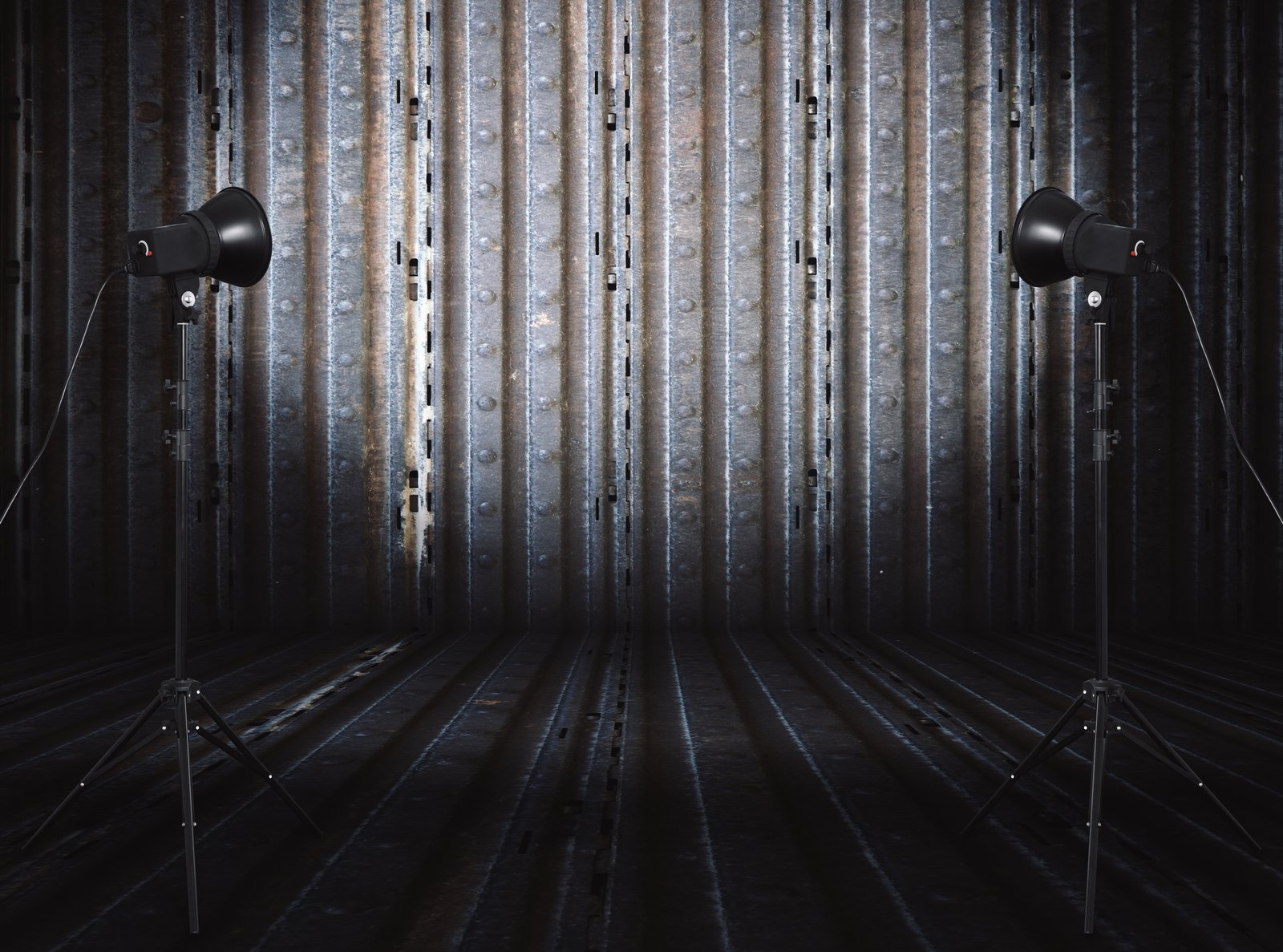
The Glossy Bottle Problem I’ve spent enough time in the studio photographing reflective products to know that glossy surfaces are both a blessing and a curse. They catch light beautifully—that’s why brands love them. But they also catch everything on your set, turning your meticulously arranged props into distracting mirror images scattered across your subject. Recently, I worked through a particularly challenging shoot involving a haircare bottle with an acrylic rod prop.
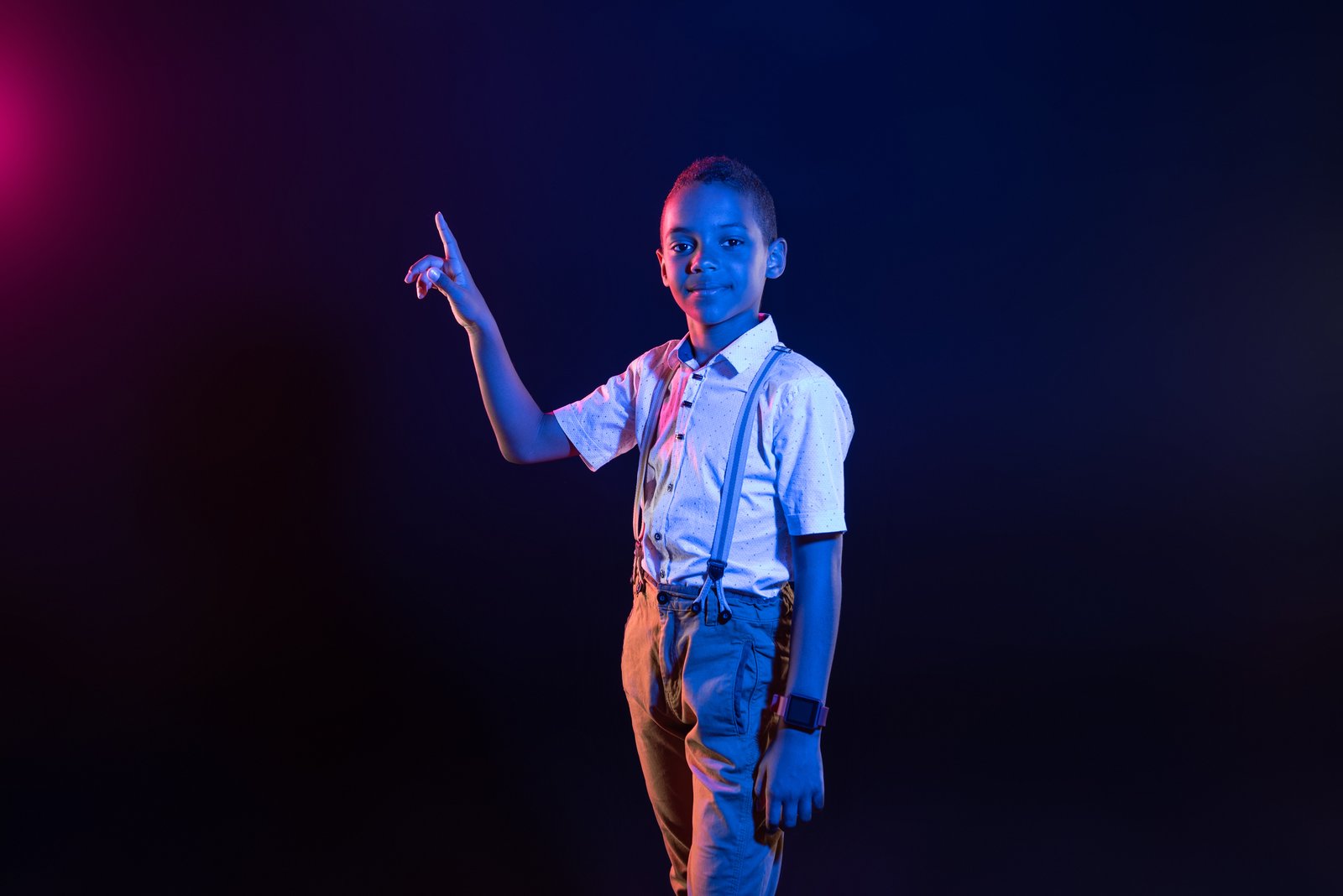
The Overlooked Element That Makes or Breaks Your Studio Portraits: Hand Positioning

The Overlooked Element That Makes or Breaks Your Studio Portraits: Hand Positioning

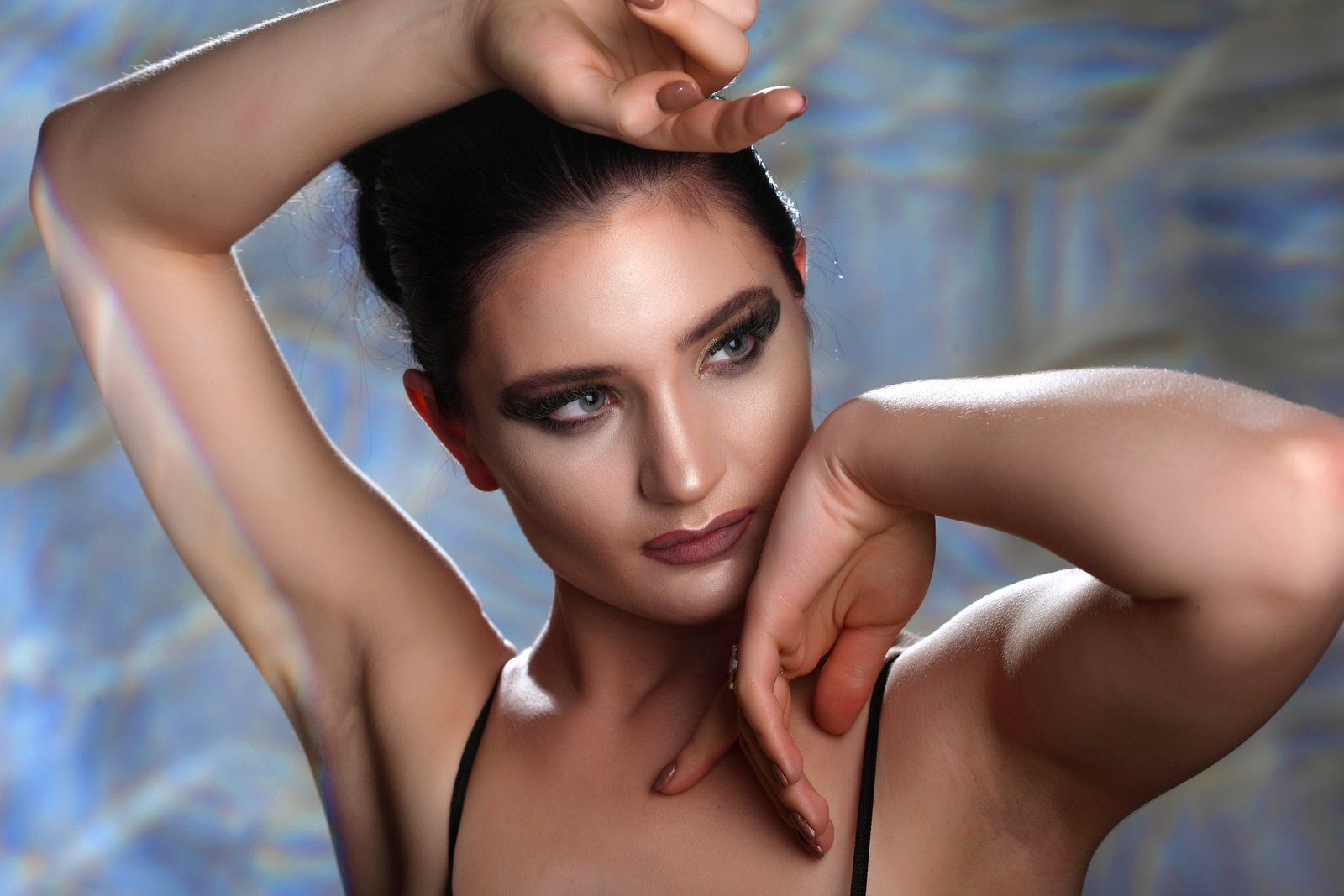
I’ve spent years refining my studio lighting setups, experimenting with modifier angles and color temperatures like a chef perfecting a recipe. But I’ve noticed something troubling among photographers at all levels: we obsess over catchlights and skin tones while completely neglecting one of the most expressive elements in a frame—the hands. The Forgotten Component Here’s my observation after countless sessions: hands are the silent communicators in portraiture. They tell us whether your subject is nervous, confident, relaxed, or contemplative.

How Pixelmator Pro's New Generate Fill Feature Changes Studio Lighting Workflows

How Pixelmator Pro's New Generate Fill Feature Changes Studio Lighting Workflows

A Game-Changer for Studio Photography Post-Production I’ve watched editing software evolve over two decades, and I’m seeing something genuinely significant emerge. Pixelmator Pro is rolling out Generate Fill this November as part of Apple’s Creator Studio expansion, and studio photographers need to understand what this means for their workflow. Here’s what’s happening: you circle an area of your image, describe the change you want, and the software reconstructs that section while maintaining the existing light direction, perspective, and surface texture.

When Creative Studios Face Uncertainty: Lessons for Photographers on Staying Focused

When Creative Studios Face Uncertainty: Lessons for Photographers on Staying Focused

The Reality of Creative Industry Pressures I’ve been thinking a lot lately about what happens behind the scenes at creative studios—both in game development and in photography. This week, news broke that a major development team laid off 24 workers following the release of an expansion project. While this isn’t directly about photography, it speaks to something we all face in creative fields: the tension between delivering excellent work and maintaining sustainable operations.

What Game Design's Storyboard Mode Teaches Us About Visual Storytelling in Studio Work

What Game Design's Storyboard Mode Teaches Us About Visual Storytelling in Studio Work

The Power of Stripping Things Down I’ve always believed that the best way to understand lighting is to remove everything unnecessary and start from scratch. This principle applies equally to game design, where AdHoc Studio’s recent anniversary update for Dispatch demonstrates something photographers should pay close attention to: sometimes the rough draft tells you more than the finished product. Their new Storyboard Mode does something unconventional—it lets players experience the entire game through its original animatic sketches.

Why Mobile Gaming's Lighting Revolution Matters to Studio Photographers

Why Mobile Gaming's Lighting Revolution Matters to Studio Photographers

The Intersection of Game Design and Studio Lighting I’ve spent enough time in studio environments to recognize when a discipline outside photography is doing something worth our attention. This week, a significant moment in digital media happened—one that should matter to anyone serious about understanding modern lighting theory. A studio just marked five years of a project that fundamentally changed how people think about atmospheric lighting in interactive media. They celebrated by streaming live to thousands of viewers, reflecting on half a decade of work.

Understanding Ambient Light Indicators: What Your Smart Studio Lights Are Really Telling You

Understanding Ambient Light Indicators: What Your Smart Studio Lights Are Really Telling You

Understanding Ambient Light Indicators: What Your Smart Studio Lights Are Really Telling You I’ve spent enough time in studios to know that every piece of equipment communicates with you—if you’re paying attention. Recently, I’ve noticed photographers getting confused about status indicators on their smart devices, particularly when colored lights start flashing during sessions. This got me thinking about how we, as studio professionals, need to understand the language our equipment speaks.

What Studio Consolidation Means for Professional Photography Communities

What Studio Consolidation Means for Professional Photography Communities

The Consolidation Wave We’re Watching I’ve been monitoring significant shifts in how creative industries organize their operations, and I’m seeing patterns that directly affect photographers and studio professionals. When large organizations streamline their operations—closing facilities and reducing workforce numbers—it creates ripples through the entire creative ecosystem. This isn’t just corporate news; it’s something we need to understand as it impacts resource availability, equipment markets, and community infrastructure. Why Studio Photographers Should Pay Attention The photography industry has always been interconnected with broader creative sectors.

The Single Softbox Myth: Why Your Lighting Setup Isn't the Problem

The Single Softbox Myth: Why Your Lighting Setup Isn't the Problem

The Single Softbox Myth: Why Your Lighting Setup Isn’t the Problem I’ve watched countless photographers obsess over acquiring new modifiers when the real issue sits right in front of them: they’re not fully exploiting what they already own. A softbox is simultaneously one of the most versatile and most underutilized tools in studio photography, and I think we need to talk about why. Stop Following the Textbook Placement Here’s what I’ve observed after years of teaching and shooting: photographers learn the “correct” softbox placement—typically at a 45-degree angle, roughly at eye level—and then they never move it again.

Inside the Machine: How School Photography Became the World's Largest Portrait Assembly Line

Inside the Machine: How School Photography Became the World's Largest Portrait Assembly Line

The Scale Is Almost Incomprehensible I’ve spent years optimizing lighting setups and refining posing techniques in controlled studio environments. But recently, I found myself contemplating something that puts even the most efficient professional studios to shame: a single company photographs approximately 30 million children every year. Not cumulatively over a decade. In one school year alone. This isn’t hyperbole—it’s the operational reality of modern school portrait programs. When you consider the logistics, you’re looking at the largest continuous portrait production system ever conceived.

Why Apple's M5 Ultra Mac Studio Remains the Studio Photographer's Powerhouse

Why Apple's M5 Ultra Mac Studio Remains the Studio Photographer's Powerhouse

The Mac Pro Chapter Closes, But Professional Photography Workflows Live On Apple made a quiet but significant decision earlier this year: retiring the Mac Pro. What seemed like it might be devastating news for studio professionals turned out to be something else entirely. The company’s brief experiment pairing Mac Studio internals with that iconic tower housing has ended, but the real workhorse—the M5 Ultra Mac Studio itself—remains stronger than ever.

Why Studio Photographers Should Care About Apple's Mac Studio Evolution

Why Studio Photographers Should Care About Apple's Mac Studio Evolution

The Workstation That Changed Studio Post-Production When Apple released the Mac Studio, I paid attention—not as a tech enthusiast, but as someone who spends half their day color grading images in Lightroom and Capture One. Over the years, I’ve watched this machine evolve in ways that directly impact how we light, shoot, and process in the studio. Let me be blunt: your hardware matters. Not in a “buy the newest thing” way, but in a practical, workflow-efficiency way.