Adaptalux's Pod Mini 2.0 Brings Precision Macro Lighting Within Reach

Adaptalux's Pod Mini 2.0 Brings Precision Macro Lighting Within Reach

Macro Photography Gets a Lighting Upgrade I’ve watched macro photography evolve significantly over the past decade, and one persistent challenge has remained: getting light exactly where you need it without creating harsh shadows or overwhelming your subject. Adaptalux is taking another swing at solving this problem with their newly released Pod Mini 2.0, and I think it’s worth paying attention to. What Makes This System Different The macro world traditionally forces photographers into uncomfortable compromises.
The Wall Bounce Technique: Why Studio Photographers Should Reconsider Their Softbox Arsenal

The Wall Bounce Technique: Why Studio Photographers Should Reconsider Their Softbox Arsenal

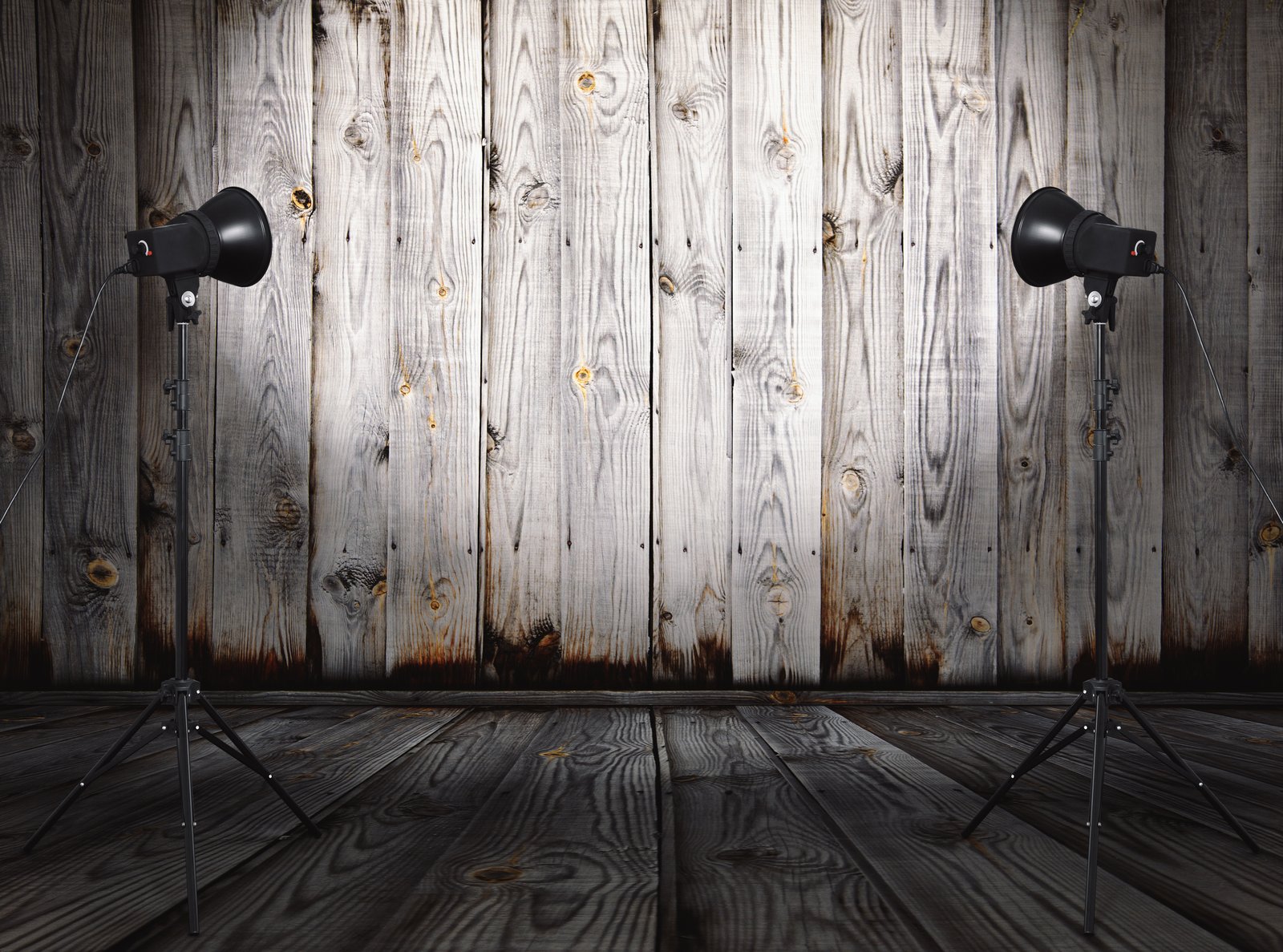
The Wall Bounce Technique: Why Studio Photographers Should Reconsider Their Softbox Arsenal I’ve spent considerable time experimenting with unconventional approaches to studio lighting, and I want to share something that’s fundamentally changed how I think about modifiers: sometimes the best light source in your studio is already there—it’s your wall. Starting Simple Works Better Than You’d Think After years of accumulating softboxes, octabanks, and beauty dishes, I’ve discovered that pointing a bare strobe directly at a clean white wall, cranked to full power, often produces results that rival or exceed what I get from expensive modifiers.

Beyond Basic Umbrellas: Ring Lights and Softboxes Compared

Beyond Basic Umbrellas: Ring Lights and Softboxes Compared

Beyond Basic Umbrellas: Ring Lights and Softboxes Compared If you’ve been shooting with umbrella reflectors and you’re ready to take your lighting game seriously, you’ve likely found yourself standing in front of two major contenders: ring lights and softboxes. Both deserve space in a professional studio, but they serve distinctly different purposes. Let me walk you through how to evaluate which one matches your workflow. Understanding the Fundamental Difference A softbox functions like a directional light source with controlled spill.

What Studio Shutdowns Teach Us About Consistency in Creative Work

What Studio Shutdowns Teach Us About Consistency in Creative Work

The Problem With Mixed Messages I’ve been thinking a lot about what happened this week with Netflix’s decision to shut down Night School Studio, and I keep coming back to one uncomfortable truth: the messaging was catastrophically misaligned. Just weeks before the closure, executives publicly celebrated the studio’s latest release, Unhinged, praising its performance metrics. Then, suddenly, the doors closed. The team that had just been told they’d produced something worthwhile was told they no longer had jobs.

Master Three Portrait Styles With a Single 48-Inch Octa

Master Three Portrait Styles With a Single 48-Inch Octa

The Modifier Misconception I’ve watched countless photographers accumulate lighting equipment like they’re collecting trading cards. Beauty dishes, softboxes, umbrellas, and strip lights fill their studios, each one promising to solve a specific problem. But here’s what I’ve learned after years of studio work: more gear doesn’t equal better results. In fact, it often creates analysis paralysis. A 48-inch octabox sits in my studio as a testament to this philosophy. This single modifier handles the work of five others—not through magic, but through understanding how light behaves under different circumstances.

Stop Believing the Flash Duration Hype: What Photographers Actually Need to Know

Stop Believing the Flash Duration Hype: What Photographers Actually Need to Know

The Marketing Machine Around Flash Duration Walk into any camera store or scroll through flash specifications online, and you’ll see manufacturers trumpeting their fastest flash durations like it’s the holy grail of lighting equipment. Faster is better, they insist. But I’ve spent years testing gear in my studio, and I need to be direct: this is mostly marketing theater designed to separate you from your money. Let me explain what’s actually happening under the hood, then we’ll talk about whether you should care.

Westcott's New FJ100 Series Proves Compact Wireless Flash Doesn't Mean Compromised Power

Westcott's New FJ100 Series Proves Compact Wireless Flash Doesn't Mean Compromised Power

Compact Flash Systems Are Finally Growing Up I’ve watched the wireless flash market evolve over the past decade, and I’m genuinely impressed by where Westcott is taking things with their new FJ100 lineup. We’re reaching an inflection point where “compact” no longer means “stripped-down amateur gear”—and that changes everything for how we light our shoots. Westcott just rolled out two new additions to their FJ wireless ecosystem: the FJ100 Touchscreen Strobe and the FJ100 Touchscreen Speedlight.

The Reflector: Your Studio's Secret Weapon for Light Control

The Reflector: Your Studio's Secret Weapon for Light Control

The Reflector Deserves Better Respect I’ve spent enough time in studios and on location shoots to know that photographers often overlook their most versatile tool. The reflector sits in the corner of your kit bag, stuffed between your light stands and diffusers, waiting to solve problems you didn’t realize you had. And here’s the truth: it’s not overrated—it’s underutilized. Light is the fundamental ingredient of photography. Without it, we have nothing.

Master These Five Key Light Positions to Transform Your Portrait Work

Master These Five Key Light Positions to Transform Your Portrait Work

The Foundation of Studio Portraiture I’ve watched countless photographers obsess over posing angles and facial expressions—and they should. But here’s what I’ve learned through years of working in the studio: your lighting setup determines whether a portrait feels alive or falls flat. The position of your key light is the single most important decision you’ll make during a shoot, because it sculpts your subject’s face through shadow placement. Before you position another light modifier, you need to understand the five fundamental key light patterns that form the backbone of professional portrait work.

From Paper Chaos to Studio Efficiency: Why Business Systems Matter for Photographers

From Paper Chaos to Studio Efficiency: Why Business Systems Matter for Photographers

The Breaking Point I hit a wall. My dining table had become mission control for my photography business—contracts scattered across the surface, envelopes stacked beside my laptop, printer paper everywhere, and a drawer full of stamps that seemed to multiply on their own. I was spending more time shuffling paperwork than I was behind the camera. Something had to change. The Real Cost of Disorganization What struck me most was the opportunity cost.

Studio Restructuring Serves as a Reminder: Investing in Your Lighting Setup Matters More Than Ever

Studio Restructuring Serves as a Reminder: Investing in Your Lighting Setup Matters More Than Ever

When the Dust Settles I’ve been watching the photography and creative software industry closely, and I’m seeing a troubling pattern emerge. Recently, a notable creative studio made the difficult decision to lay off approximately 32 employees—roughly two months after launching a significant platform project. While the specifics vary by company, this scenario tells us something crucial about how creative businesses allocate resources. The Real Lesson for Studio Owners Here’s what I think matters most for those of us running photography studios: these industry contractions remind us to invest wisely in what actually generates revenue.

Breaking the Soft Light Mold: Mastering Barn Door Fixtures for High-Impact Portraits

Breaking the Soft Light Mold: Mastering Barn Door Fixtures for High-Impact Portraits

The Case Against Always Going Soft I’ve spent enough time in studios to recognize a truth that gets overlooked in contemporary portraiture: not every face needs to be wrapped in diffusion. The industry’s obsession with flattering, forgiving light has created a generation of photographers who panic at the sight of a bare bulb. But here’s what I’ve learned: sometimes the most compelling portraits come from controlled harshness. Fashion photographers understood this decades ago.