The Overcomplicated Studio Is Usually a Confidence Problem
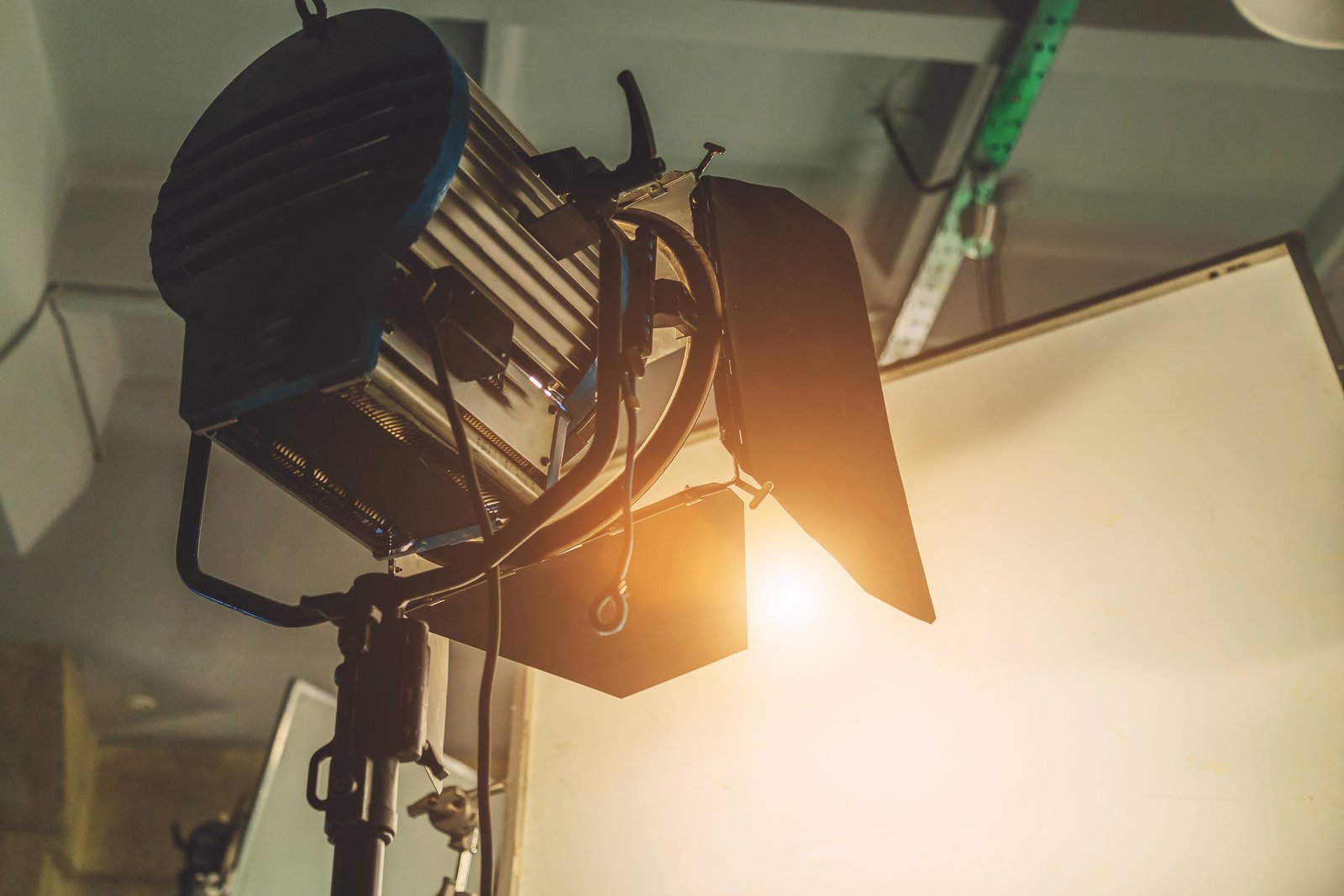
Early in my career I watched a photographer I deeply respected spend forty-five minutes adjusting a six-light setup for a headshot. He kept adding lights to fix problems the previous lights had created. A rim light to separate the subject from the background. A hair light to compensate for the rim light killing the shadow detail. A kicker on the opposite side because now the image felt unbalanced. By the time he fired the first test frame, the setup was a structural argument between six light sources, and the portrait looked like a catalog photo from a mid-range hotel.
I have been shooting commercial and editorial work for nearly two decades. Fashion, beauty, corporate. And the lesson I keep relearning is this: one well-placed light with the right modifier will teach you more about how light actually behaves than any multi-light configuration you can build. It also produces images that, when executed correctly, are genuinely difficult to distinguish from complex setups.
What One Light Actually Forces You to Understand
When you use a single source, there is nowhere to hide. Every shadow is your shadow. Every highlight is intentional or it is a mistake. You are working with a fundamental physical reality: light falls off according to the inverse square law, meaning a subject one meter from a source receives four times the light of a subject two meters away. This is not trivia. It is the mechanism you are controlling every time you adjust subject-to-light distance.
A single light also makes the quality of your modifier impossible to ignore. Quality in lighting means the size of the source relative to the subject. A 24-inch beauty dish at two feet from a face is a large, soft source. Move it to six feet and it becomes a small, hard source, even though the physical dish has not changed. This relationship between distance and apparent source size is the core grammar of studio lighting, and one-light setups force you to speak it fluently.
The Setup I Use Most: The 45-Degree Beauty Position
For portrait and beauty work, I default to what I call the 45-degree beauty position. The light sits at approximately 45 degrees to the side of the subject and 45 degrees above eye level. I am using a Profoto B10 Plus at roughly 200 watt-seconds of output, fitted with a 24-inch Profoto softbox with the inner baffle removed. The light-to-subject distance is 28 to 30 inches. My starting exposure is f/8, 1/160s, ISO 100 on a full-frame body.
That combination gives me clean, directional light with a shadow that falls under the nose and along the cheekbone in a way that reads as deliberate. I label that light “Key A” on the body of the modifier with masking tape, which sounds obsessive but means I am never guessing which unit I touched when I look at my lighting diagram afterward. I keep a dedicated app on my phone for sketching these setups after each shoot, and having a consistent labeling system means the diagrams actually match what I built.
No fill card. No reflector. I want to see what the light is doing on its own before I decide whether any fill is warranted. At f/8, the shadow side of the face typically falls two to two-and-a-half stops under the highlight side. For commercial beauty work that ratio is slightly flat. For editorial, it is nearly perfect.
When to Modify the Modifier
The one-light setup lives and dies on modifier selection. For skin with a lot of texture you want to celebrate, like a grittier editorial brief, I swap the softbox for a 22-inch silver beauty dish with a 25-degree grid. That grid narrows the spread and increases the contrast, giving the light a more focused, dramatic character. The silver interior of the dish adds about a third of a stop of output compared to a white interior, and it produces a slightly cooler, more specular quality that flatters bone structure.
For corporate headshots, I go the other direction. A 48-inch Octa at the same 45-degree position, pulled back to about four feet, wraps light further around the face and reduces the shadow depth to roughly one-and-a-half stops of difference. Clients who want to look approachable rather than striking respond well to this. It is a softer conversation between light and shadow.
The key principle here: change one variable at a time. Modifier, then distance, then power. Not all three simultaneously. Photographers who do not follow this sequence end up unable to identify which change actually produced the result.
The Shoot That Taught Me to Trust the Shadow
My wife has been my most reliable stand-in for lighting tests for years. She has the kind of bone structure that makes modifier behavior extremely readable, and she has, without any formal training in photography, developed an intuitive vocabulary for describing how light feels on her face. She once told me that a particular softbox position felt like the light was “pushing” on the wrong side of her nose. I adjusted the light three inches to camera left and the shadow relationship corrected immediately.
No lighting course I have taken has given me feedback that precise. It taught me to pay attention to shadow behavior at the level of inches, not feet, and to listen to subjects when they say something feels off. Usually they are right.
The One Setting Most Photographers Get Wrong
Output consistency matters more than output level. If your modeling light ratio does not match your strobe output ratio, you will meter one thing and capture another. On the Profoto system, the modeling light is proportional by default, which solves this cleanly. On less expensive units, turn the modeling light off during the session and rely on your histogram, not your eye.
One light done right is not a beginner’s shortcut. It is a discipline. Build the habit of exhausting what a single source can do before you add a second, and your multi-light setups will become genuinely intentional rather than accumulations of corrections. The best reason to add a second light is always a creative one, never a compensatory one.
Comments (11)
I've been looking for exactly this kind of tutorial. Perfect timing.
Great breakdown. The step-by-step approach really helps.
Been doing this wrong for years apparently. Thanks for the wake-up call.
Really solid breakdown. This pairs perfectly with the photography work I've been writing about.
Bookmarked. Coming back to this one for sure.
I tried this on a client project yesterday and the results were way better than expected.
Really solid breakdown. This pairs perfectly with the gear work I've been writing about.
Great breakdown. The step-by-step approach really helps.
Couldn't agree more. I've seen this make a huge difference in workflows work specifically.
This is the kind of content that keeps me coming back.
Printing this out and pinning it next to my monitor. That good.
Leave a Comment