Rim Lighting: The Technique That Separates Amateur From Professional Portraits

Rim Lighting: The Technique That Separates Amateur From Professional Portraits

Rim Lighting: The Technique That Separates Amateur From Professional Portraits I’ve watched countless photographers chase expensive gear when what they really needed was rim lighting discipline. This technique—also called backlighting or edge lighting—is not optional for serious portrait work. It’s foundational. When executed correctly, rim lighting adds depth, separates your subject from the background, and creates that polished look clients recognize as professional. Let me be direct: rim lighting without understanding power ratios and positioning will frustrate you.

Rim Lighting: The Essential Technique for Separation and Dimension

Rim Lighting: The Essential Technique for Separation and Dimension

Rim Lighting: The Essential Technique for Separation and Dimension I’ve used rim lighting in roughly 70% of my studio work over the past fifteen years, and I’m not exaggerating when I say it’s transformed how my subjects read in frame. A rim light—also called a backlight or hair light—is a dedicated light source positioned behind your subject to create a glowing outline that separates them from the background. Done correctly, it’s invisible to the casual viewer but absolutely critical to the overall image.

Rim Lighting: Adding Drama and Separation

Rim Lighting: Adding Drama and Separation

Rim lighting — a light positioned behind the subject that creates a bright outline along their edges — is one of the most dramatic tools in portrait photography. That bright edge separates the subject from the background, adds a three-dimensional quality that flat lighting can’t achieve, and creates an immediate sense of production value. What Rim Lighting Does When a light source is positioned behind and slightly above a subject, it skims across the edges of their hair, shoulders, and body contour.

Posing Guide: Hands and Arms in Portrait Photography

Posing Guide: Hands and Arms in Portrait Photography

Hands are the most frequently problematic element in portrait photography. They either look stiff, disappear awkwardly, or dominate the frame. The good news is that a few clear principles solve the majority of hand and arm posing problems. The Core Principle: Give Hands Something to Do Hands look worst when they hang lifelessly at someone’s sides. The moment you give them a purpose, touching a surface, holding an object, resting on a body, they look natural.

One Light Setup: Everything You Can Do with a Single Strobe

One Light Setup: Everything You Can Do with a Single Strobe

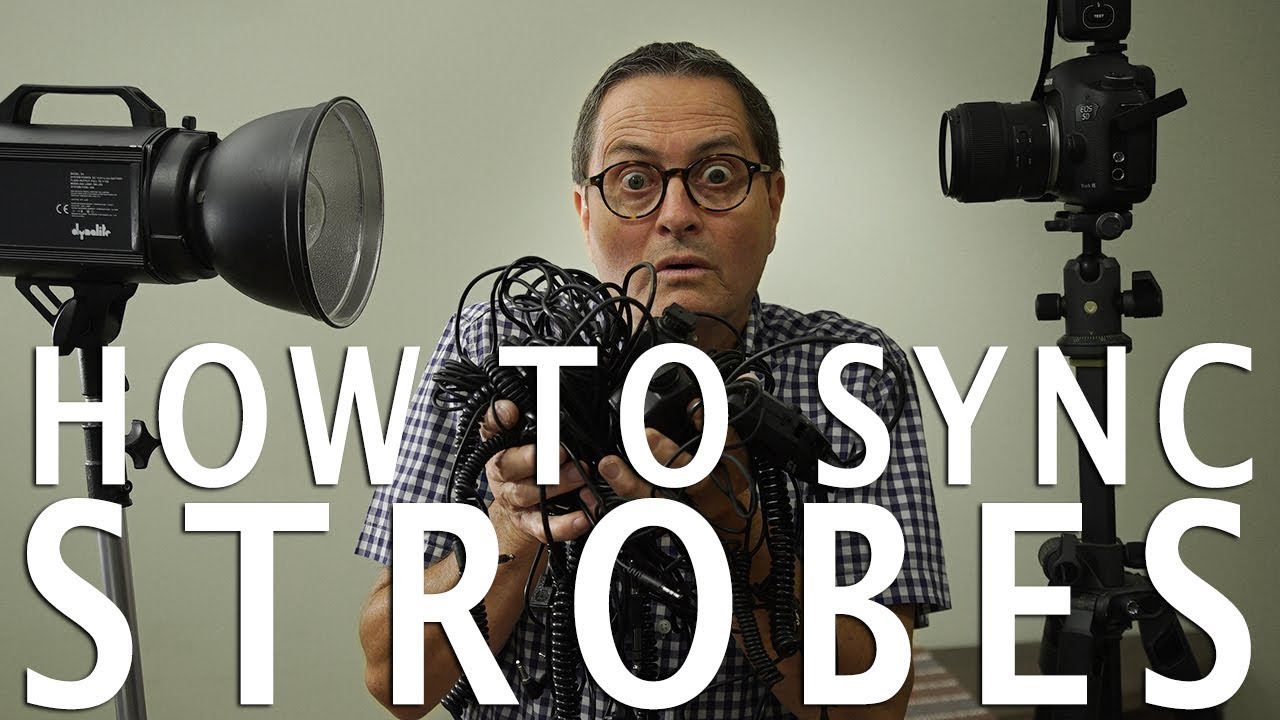
The most common misconception in studio photography is that you need multiple lights to produce professional results. You do not. A single strobe, paired with the right modifier and placement, can produce an enormous range of looks. Mastering one light is the foundation upon which every multi-light setup builds. The Core Variables With one light, you control the image through four variables: Light position (angle and height relative to the subject) Modifier type (what shapes and softens the light) Distance from subject (controls both softness and falloff) Power setting (determines exposure and ratio to ambient light) Every single-light portrait is a combination of these four choices.

Metering Flash: Understanding TTL vs Manual

Metering Flash: Understanding TTL vs Manual

Every external flash operates in one of two modes: TTL (Through The Lens) automatic metering, or manual power control. Understanding when each mode is appropriate, and how to meter effectively in both, eliminates the most common flash exposure problems. How TTL Works TTL metering fires a pre-flash, an extremely brief burst of light, milliseconds before the actual exposure. The camera’s meter reads the light reflected from this pre-flash through the lens, calculates the flash power needed for correct exposure, and sets the main flash output accordingly.

Maximizing Light and Space: How One Artist Built a Full Studio in a Living Room

Maximizing Light and Space: How One Artist Built a Full Studio in a Living Room

Making Every Square Foot Count I’ve spent years watching photographers struggle with space constraints, and I’ve learned that the real masters aren’t those with sprawling studios—they’re the ones who understand how to weaponize what they have. Shinn Uchida, a Japanese visual artist, recently demonstrated this principle beautifully by transforming her living room into a fully functional creative space capable of handling large-scale work. What strikes me most about her approach isn’t nostalgia or scrappiness.

Master These Four Fundamental Portrait Lighting Setups to Transform Your Studio Work

Master These Four Fundamental Portrait Lighting Setups to Transform Your Studio Work

The Foundation That Every Portrait Photographer Needs I’ve spent years refining my approach to portrait lighting, and I can say with confidence that mastering foundational patterns is non-negotiable. Too many photographers jump straight into complex multi-light setups without understanding the principles that make lighting work. It’s like trying to bake without knowing the difference between creaming butter and folding ingredients—you’ll get inconsistent results that frustrate you. The reality is this: once you understand four core lighting patterns, you have a repeatable system that works across nearly every client scenario.

Master Portable Strobe Photography: The One-Light Setup That Replaces a Studio

Master Portable Strobe Photography: The One-Light Setup That Replaces a Studio

I’ve spent enough time on location shoots to know that less gear doesn’t mean less control—it means smarter control. In this excellent tutorial, Joel Grimes presents portrait photographer Eli Infante demonstrating exactly how to leverage a single portable strobe to create multiple portrait looks that rival studio-quality results. The setup? A Westcott FJ250, a beauty dish, and a painter’s pole. No assistants required. No elaborate light stands. Just methodology. I’m going to break down what makes this approach work, expand on the techniques shown, and give you my honest assessment of when and why this portable system outperforms larger alternatives.

Low Key Lighting: The Master's Guide to Shadow and Control

Low Key Lighting: The Master's Guide to Shadow and Control

Low Key Lighting: The Master’s Guide to Shadow and Control Low key lighting isn’t moody for mood’s sake—it’s a disciplined approach to controlling what your viewer sees and, more importantly, what they don’t. I’ve spent twenty years refining this technique, and I’m going to give you the exact framework I use on every low key shoot. What Low Key Actually Means Let me be direct: low key doesn’t mean dark. It means a ratio between highlights and shadows of at least 4:1, typically ranging to 8:1 or higher.

Low Key Lighting: The Discipline That Separates Professionals From Amateurs

Low Key Lighting: The Discipline That Separates Professionals From Amateurs

Low Key Lighting: The Discipline That Separates Professionals From Amateurs Low key lighting isn’t a trend or an aesthetic preference—it’s a deliberate technical choice that demands precision, restraint, and a clear understanding of contrast ratios. After twenty years of working in studios and on location, I’ve found that photographers who master low key lighting develop a fundamental control over their craft that serves every other technique they’ll ever learn. What Low Key Actually Means Let’s be direct: low key doesn’t simply mean “dark.

Low Key Lighting: The Discipline That Separates Competent Photographers From Masters

Low Key Lighting: The Discipline That Separates Competent Photographers From Masters

I’ve spent twenty years in studios lit by everything from tungsten to strobes, and I can tell you this: low key lighting is the discipline that exposes your technical weaknesses faster than any other setup. It demands precision where other styles forgive sloppiness. This is exactly why you should master it. Low key lighting isn’t about making things dark. That’s a dangerous misconception. It’s about controlling the ratio between your key light and fill, creating deliberate shadows that sculpt the subject rather than illuminate it equally.