Five Eras, Five Cities: What Multi-Period Game Design Teaches Us About Lighting Consistency

Five Eras, Five Cities: What Multi-Period Game Design Teaches Us About Lighting Consistency

The Challenge of Temporal Lighting I’ve been watching the gaming industry’s approach to visual storytelling, and I’m genuinely impressed by the technical demands they’re tackling. Ryu Ga Gotoku’s upcoming title, Stranger Than Heaven, spans five distinct time periods across five different cities—1915, 1929, 1943, 1951, and 1965—and this presents a lighting puzzle that rivals what we face in studio photography. When you’re shooting across different eras, you’re not just changing costumes and props.

The 5 Classic Portrait Lighting Patterns Every Photographer Should Know

The 5 Classic Portrait Lighting Patterns Every Photographer Should Know

Portrait lighting patterns are defined by the position of shadows on the subject’s face. There are five classical patterns, each producing a distinct look. Understanding them gives you a vocabulary for lighting that applies whether you are using a studio strobe, a window, or a flashlight. 1. Flat Lighting The light source is positioned directly in front of the subject, at or near the camera’s axis. Shadows are minimized because light fills every visible surface evenly.

Environmental Portraits: Lighting People in Context

Environmental Portraits: Lighting People in Context

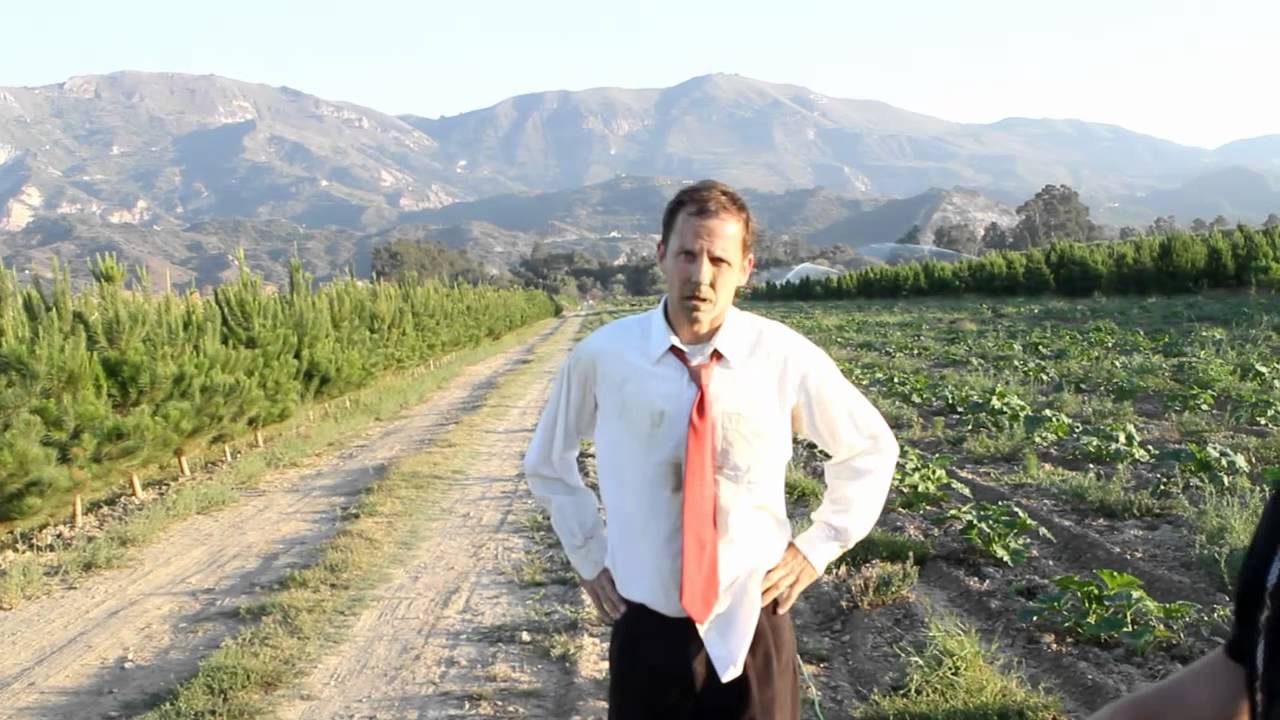
Environmental portraits tell a story that studio portraits can’t. A chef in their kitchen, an artist in their studio, a farmer in their field — the environment provides context that gives the viewer insight into who the person is. But lighting these scenes is fundamentally different from studio work. You’re not creating light from scratch — you’re integrating with light that already exists. The Environmental Portrait Philosophy The environment is as important as the subject.

How to Create Dramatic Low-Key Portraits

How to Create Dramatic Low-Key Portraits

Low-key portraits use predominantly dark tones with selective highlights to create drama, mystery, and emotional intensity. The technique draws from chiaroscuro painting — the interplay of light and dark that Rembrandt and Caravaggio used to create depth and mood. In photography, it means controlling exactly where light falls and where darkness remains. Understanding Low-Key Low-key isn’t just underexposure. A poorly exposed portrait is dark everywhere; a low-key portrait is intentionally dark with precise highlights that sculpt the subject.

Directing Non-Models: Getting Natural Expressions

Directing Non-Models: Getting Natural Expressions

Professional models know how to find the light, adjust their angles, and produce expressions on command. The rest of the population does not. Most portrait subjects are ordinary people who feel awkward in front of a camera. Your job is to create conditions where genuine expressions happen naturally, rather than asking for them directly. The Problem with “Smile” Telling someone to smile produces a specific result: a tightened mouth with inactive eyes.

Creative Gels for Studio Photography: The Ingredient That Changes Everything

Creative Gels for Studio Photography: The Ingredient That Changes Everything

I’ve spent twenty years mixing light the way a chef mixes ingredients, and I can tell you this: most photographers treat gels like an afterthought. They’re not. Gels are the difference between competent work and compelling work. Think of gels as your most controllable variable. You can’t change the sun, but you can shape every photon in your studio. That precision is why I use gels on nearly every shoot.

Creative Gels for Studio Photography: Beyond Color Correction

Creative Gels for Studio Photography: Beyond Color Correction

Creative Gels for Studio Photography: Beyond Color Correction I’ve watched photographers treat gels like an afterthought—a pack of color correction filters tossed in a kit bag. That’s a missed opportunity. Creative gels aren’t corrective tools; they’re storytelling instruments. Used deliberately, they separate competent studio work from memorable imagery. Let me share exactly how I approach them. The Difference Between Correction and Creation Color correction gels (CTO, CTB, and their variants) solve practical problems: they balance tungsten lights to daylight, or vice versa.

Color Gels: Adding Creative Color to Your Portraits

Color Gels: Adding Creative Color to Your Portraits

Color gels transform white flash into colored light, opening a world of creative possibilities that neutral lighting can’t touch. From subtle color accents to full neon-drenched portraits, gels give you control over the color of light itself — not just what you can adjust in post-processing. Gels Basics Gels are thin sheets of colored transparent material (traditionally theatrical lighting gel) placed in front of a light source. They filter out certain wavelengths, transmitting only the desired color.

Butterfly Lighting and the Beauty Setup

Butterfly Lighting and the Beauty Setup

Butterfly lighting — also called Paramount lighting because of its use in classic Hollywood glamour portraits — places the key light directly in front of and above the subject’s face. Named for the butterfly-shaped shadow it creates under the nose, this pattern is the foundation of beauty photography lighting. The Setup Position a single light source directly in front of the subject, centered on their face, and raised 2-3 feet above eye level.

Building a Home Studio on a Budget

Building a Home Studio on a Budget

You do not need a commercial lease to produce professional portrait work. A spare room, a section of a garage, or even a cleared-out living room can function as a working studio. The key is understanding what actually matters and where you can save money without sacrificing quality. Space Requirements The minimum usable space for headshots and upper-body portraits is roughly 8 feet wide by 10 feet deep with an 8-foot ceiling.

Best Lighting Gear for Portrait Photography in 2026

Best Lighting Gear for Portrait Photography in 2026

Best Lighting Gear for Portrait Photography in 2026 I’ve been shooting portraits for twenty years, and I can tell you this with absolute certainty: your lighting setup determines everything. The lens matters. The camera matters. But lighting? Lighting is the difference between a snapshot and a portrait worth framing. The problem is that portrait photographers face a choice: go with continuous light for its simplicity and what-you-see-is-what-you-get predictability, or embrace flash for its power and versatility.

5 Beauty Lighting Setups From Soft to Bold: A Complete Behind-the-Scenes Breakdown

5 Beauty Lighting Setups From Soft to Bold: A Complete Behind-the-Scenes Breakdown

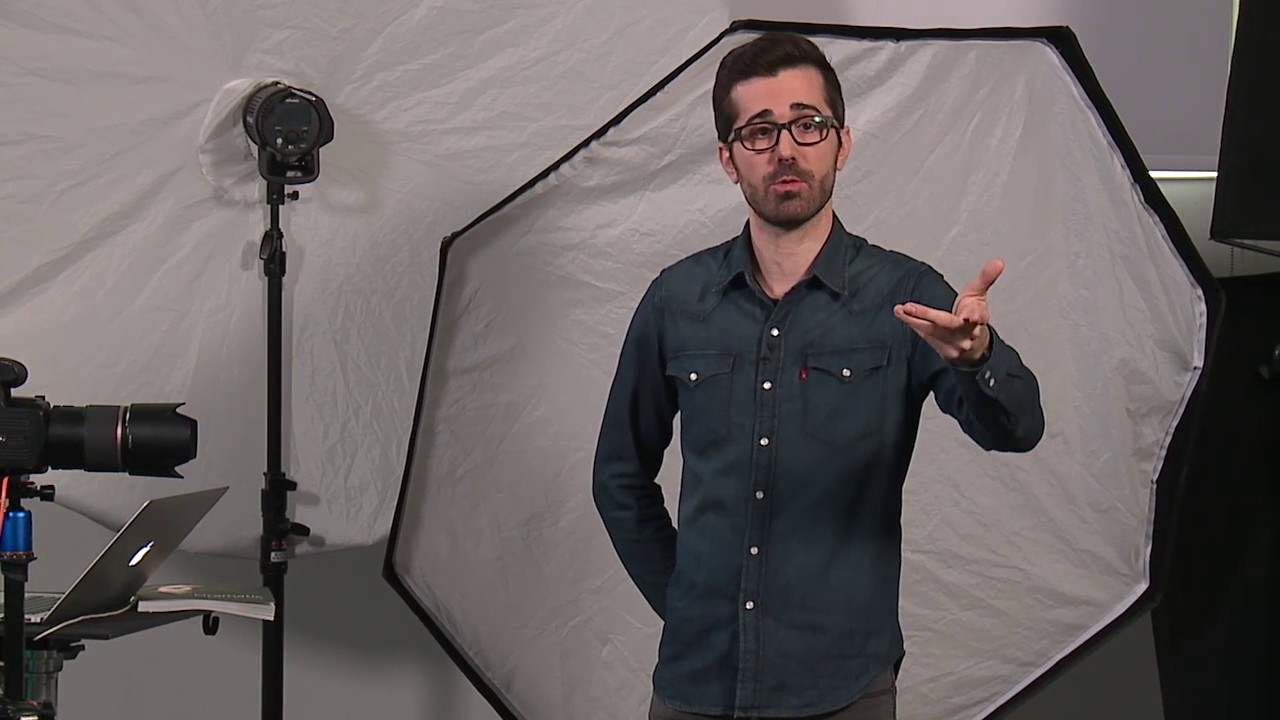
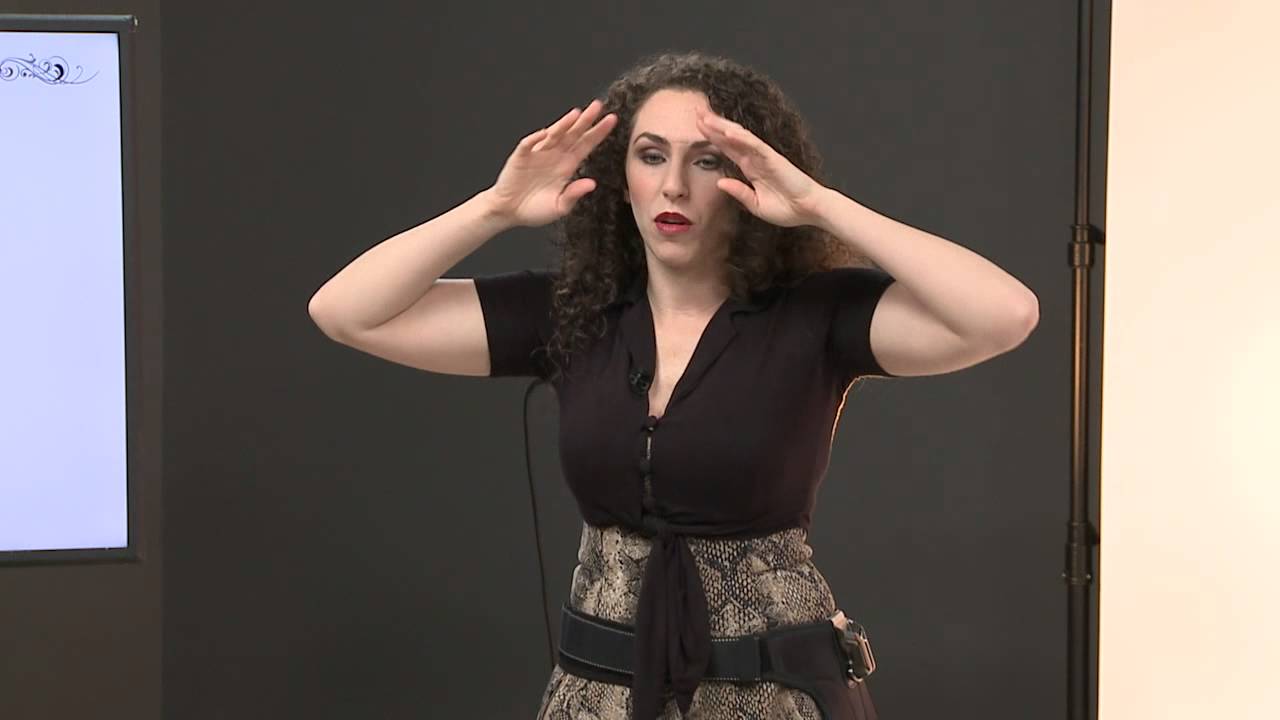
I recently watched this Westcott tutorial that walks through five completely different beauty lighting setups — all in one session, same model, progressing from soft natural looks to bold creative effects. It’s one of the best demonstrations I’ve seen of how much you can change a portrait just by rearranging light. Here’s my breakdown of each setup with the key takeaways. The Studio Setup The studio is loaded with Westcott gear — multiple softboxes of different sizes, a large parabolic umbrella, and several FJ-series strobes.