The Geometry of Posing: Why Body Angles Matter More Than You Think

The Geometry of Posing: Why Body Angles Matter More Than You Think

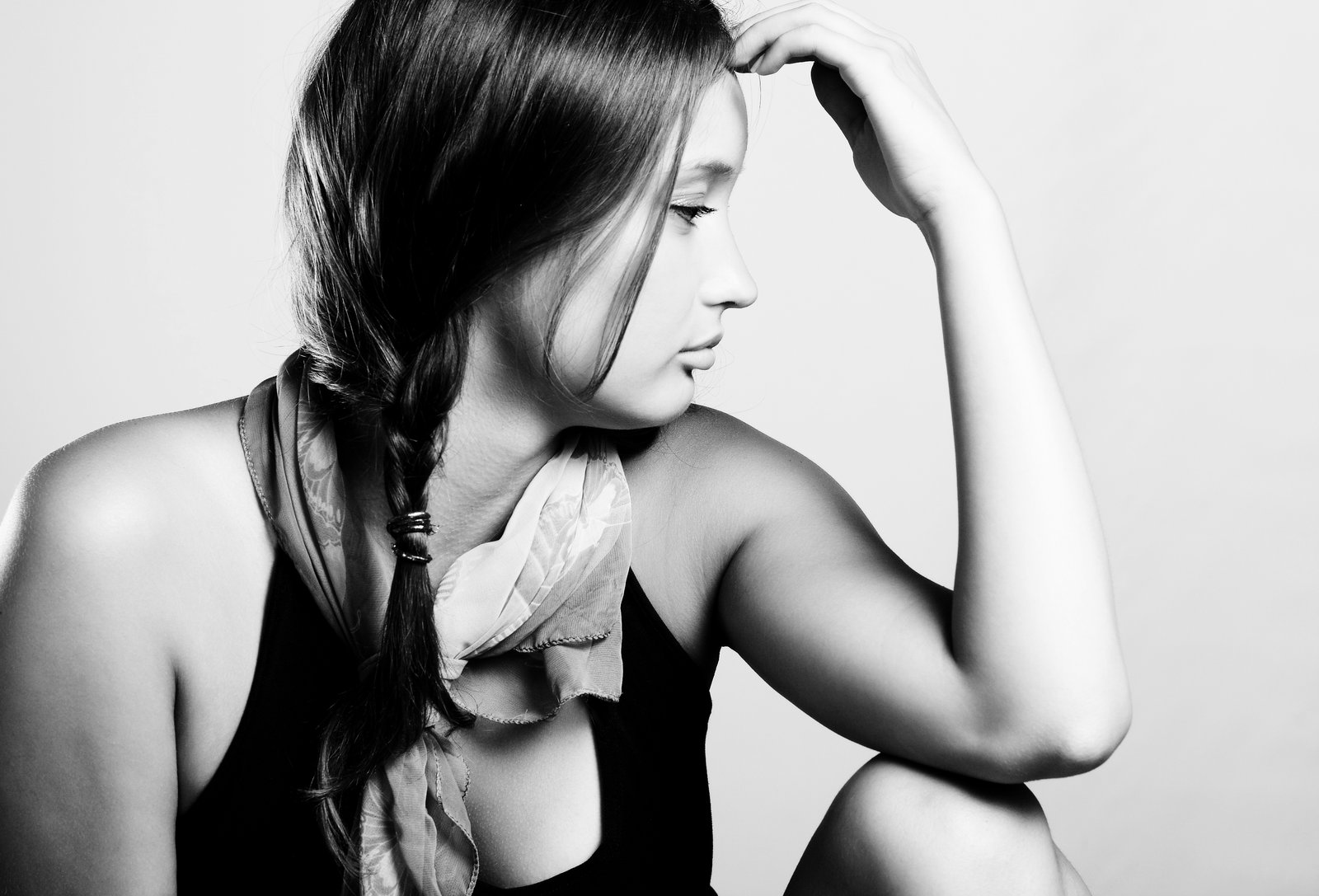
The Geometry of Posing: Why Body Angles Matter More Than You Think I’ve spent two decades correcting the same posing mistake: photographers treating the human body like a statue to be positioned, rather than a system of angles to be orchestrated. Posing isn’t about making people look comfortable—it’s about understanding how light interacts with planes, how space relates to proportion, and how subtle rotations create visual interest. Let me be direct: if your subject is squared directly to the camera, you’re wasting the three-dimensional space in front of your lens.

The Four Lighting Patterns Every Studio Photographer Must Master

The Four Lighting Patterns Every Studio Photographer Must Master

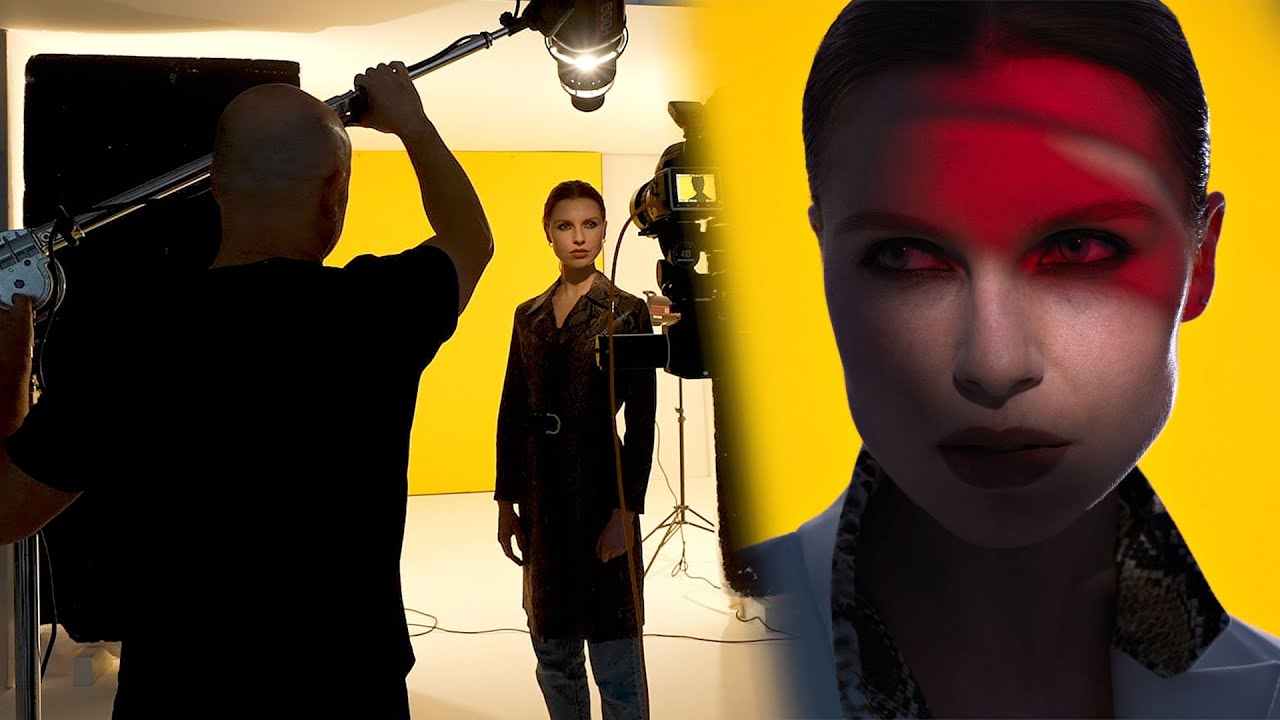
In this excellent tutorial, Joel Grimes breaks down the intimidating world of studio portrait lighting into four manageable, repeatable patterns. If you’ve ever felt overwhelmed by the complexity of studio work, this is exactly where you need to start. I’ve been lighting portraits for fifteen years, and I can tell you with absolute certainty: these four patterns are the foundation of professional photography. Master them, and you’ll immediately understand why your portraits suddenly look like they belong in a portfolio instead of on Instagram.

The Flat Light Problem: Why Your Outdoor Sessions Fall Short (And What Actually Works)

The Flat Light Problem: Why Your Outdoor Sessions Fall Short (And What Actually Works)

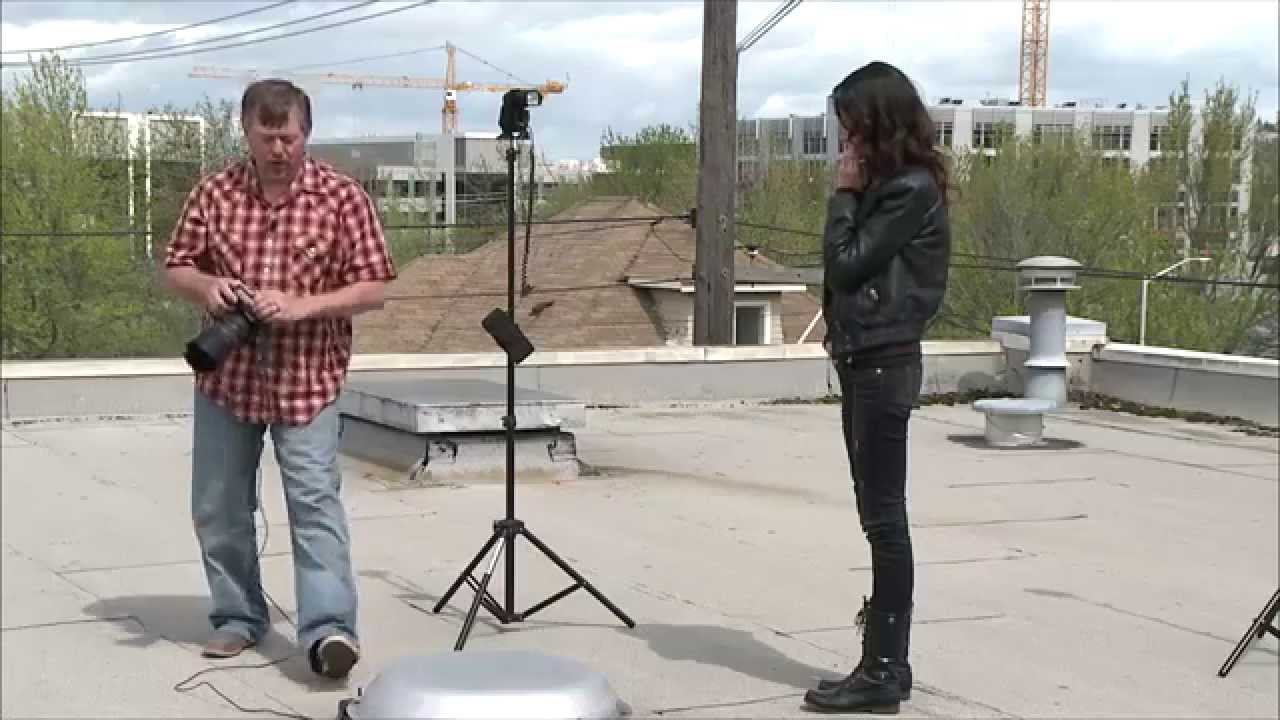
The Flat Light Dilemma I’ve examined thousands of outdoor portraits over my career, and I see the same problem repeatedly: lifeless, dimensionless skin tones that make your subject look washed out despite shooting in natural daylight. The culprit isn’t always obvious to newer photographers, but once you understand it, the solution becomes remarkably straightforward. Outdoor ambient light—especially midday sun or overcast conditions—creates a fundamental challenge. Bright overhead sun produces harsh shadows under eyes and chin, while cloudy skies deliver light so flat it eliminates facial contours entirely.

The FJ250 Strobe Setup Guide: Joel Grimes Shows You How to Master Westcott's Compact Powerhouse

The FJ250 Strobe Setup Guide: Joel Grimes Shows You How to Master Westcott's Compact Powerhouse

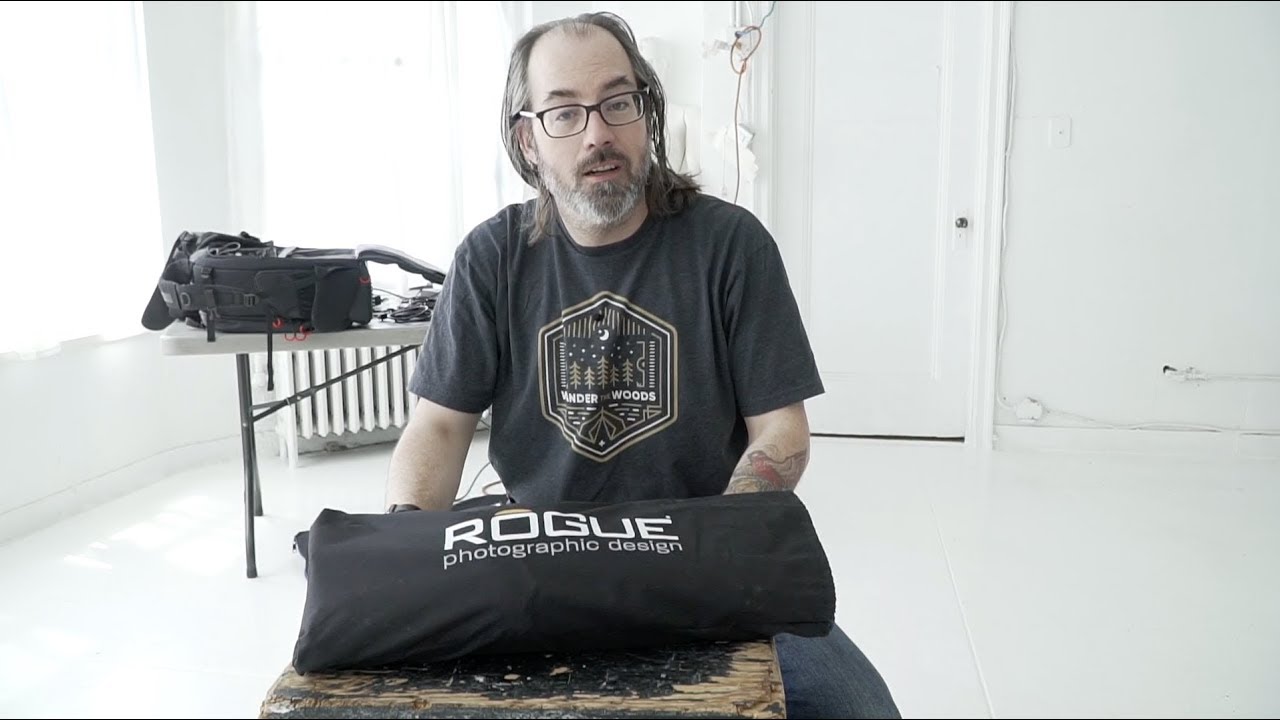
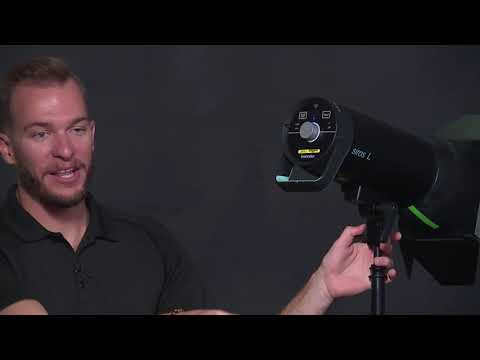
When I first started working with compact strobes, I made every rookie mistake in the book. I’d run out of battery power mid-shoot, misconfigure my power settings, and waste precious time troubleshooting instead of capturing images. After years of studio and location work, I’ve learned that understanding your gear’s fundamentals—especially power management—is non-negotiable. In this excellent tutorial, Joel Grimes walks through the FJ250 strobe setup with the precision I’ve come to expect from Westcott’s educational content.

The Five Posing Fundamentals That Actually Work

The Five Posing Fundamentals That Actually Work

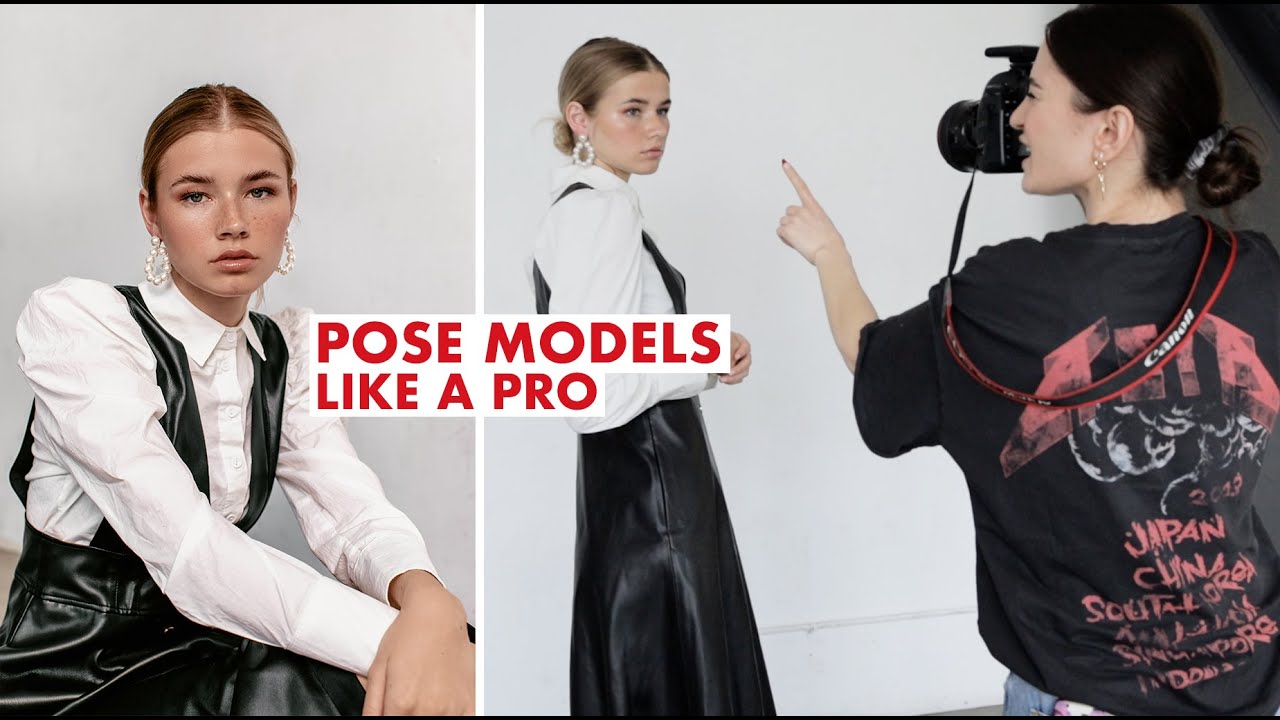
The Five Posing Fundamentals That Actually Work I’ve watched photographers spend thousands on lights, modifiers, and reflectors—then squander it all by positioning their subject like a department store mannequin. Posing isn’t art; it’s applied geometry. Get the angles right, and lighting does half the work for you. After fifteen years in studio work, I’ve distilled posing down to five non-negotiable principles. Follow these, and you’ll see immediate improvement. Ignore them, and no amount of gear will save you.

The Five Portrait Lighting Patterns Every Studio Photographer Must Master

The Five Portrait Lighting Patterns Every Studio Photographer Must Master

The Five Portrait Lighting Patterns Every Studio Photographer Must Master I’ve spent the last fifteen years refining my approach to portrait lighting, and I can tell you with absolute certainty: mastering five core patterns will solve 90% of your lighting challenges. These aren’t creative flourishes or trends. They’re time-tested frameworks that work because they follow the same principles that have guided portrait photographers since the days of studio flash. Let me walk you through each one.

The Five Essential Portrait Lighting Patterns Every Photographer Should Master

The Five Essential Portrait Lighting Patterns Every Photographer Should Master

The Five Essential Portrait Lighting Patterns Every Photographer Should Master I’ve spent twenty years in studios across three continents, and I can tell you this with certainty: you don’t need thirty light setups. You need five. Master these patterns, and you’ll handle virtually every portrait scenario that walks through your door. Everything else is variation. Think of lighting patterns like recipes. You measure precisely, follow the sequence, and you get consistent results.

The Architecture of Posture: Mastering Body Angles and Line Flow

The Architecture of Posture: Mastering Body Angles and Line Flow

The Architecture of Posture: Mastering Body Angles and Line Flow I’ve watched photographers light a subject beautifully, then waste it all with flat, lifeless posing. It’s like preparing a gourmet sauce only to pour it over cardboard. Posing isn’t decoration—it’s foundational architecture that either supports or collapses under the weight of your lighting. The 45-Degree Rule: Your Foundation I position every client’s shoulders at roughly 45 degrees to the camera. This is non-negotiable.

The Architecture of Posing: How to Position Your Subject for Maximum Impact

The Architecture of Posing: How to Position Your Subject for Maximum Impact

The Architecture of Posing: How to Position Your Subject for Maximum Impact I’ve spent twenty years behind the camera, and I can tell you this with absolute certainty: your lighting setup is only half the equation. A perfectly sculpted three-point light setup means nothing if your subject is standing like a mannequin with their shoulders squared to the camera. Posing isn’t art—it’s architecture. It’s the deliberate placement of lines, angles, and negative space.

The Architecture of Posing: Building Frames That Work With Light, Not Against It

The Architecture of Posing: Building Frames That Work With Light, Not Against It

The Architecture of Posing: Building Frames That Work With Light, Not Against It I’ve watched photographers spend thousands on premium lighting equipment, only to waste it with lazy posing. A $300 umbrella can’t save a subject photographed straight-on with slouched shoulders. Conversely, I’ve seen exceptional images created with modest gear because the pose itself was architecturally sound. The relationship between posing and lighting isn’t coincidental—it’s mechanical. Get this right, and everything else becomes easier.

Studio Workflow: From Client Arrival to Final Image

Studio Workflow: From Client Arrival to Final Image

A smooth studio workflow delivers consistent results, keeps sessions on schedule, and creates a professional experience that clients remember. The best photographers don’t improvise their workflow — they’ve developed a repeatable system that handles every session from the moment the client walks in to the delivery of final images. Before the Client Arrives Equipment Check (30 Minutes Before) Test every piece of equipment you plan to use: Fire each flash and verify it triggers reliably Check battery levels on all strobes and camera bodies Verify your tethering connection works (if shooting tethered) Set up your first lighting configuration Take a test shot and evaluate on a calibrated monitor Finding a dead battery or a misfiring strobe during the session wastes the client’s time and undermines their confidence.

Rim Lighting: The Technique That Separates Amateurs From Professionals

Rim Lighting: The Technique That Separates Amateurs From Professionals

What Rim Lighting Actually Does Rim lighting isn’t decorative—it’s functional. When placed correctly, a rim light creates a bright edge along your subject’s outline, separating them from the background and adding three-dimensional depth to flat studio environments. I’ve watched photographers obsess over key lights and fill ratios while ignoring this critical tool. That’s a mistake. The rim light accomplishes three things: it defines edges (especially hair), it creates visual separation between subject and background, and it adds a professional polish that clients immediately notice, even if they can’t articulate why.