There’s a problem I run into constantly with studio work: the space fights you. Equipment sprawls, surfaces compete, and the visual language of the room becomes noise instead of signal. I’ve shot in rented studios that felt like airport terminals and in cramped home setups that somehow produced beautiful work, and after twenty years of this I’ve come to believe that intentionality is the difference. Not square footage. Not budget. Intention. When I came across this CreativeLive studio tour featuring Kaari Meng of French General, I wasn’t expecting a photography lesson. I got one anyway.
Watch the full tutorial on YouTube
Meng runs a Los Angeles workshop and retail space built around a French-inspired lifestyle aesthetic: linens, notions, textiles, beadwork, embroidery, papercraft. The shop is not French, as she freely admits, but it commits completely to a set of visual principles drawn from 18th and 19th century rural France. What stopped me mid-watch was realizing that every decision she describes, every color choice, every material grouping, maps directly onto how I think about setting up a studio for a specific shoot. The vocabulary is different. The logic is identical.
Step 1: Define the Concept Before You Buy Anything
 Meng describing the “generally French” concept to camera
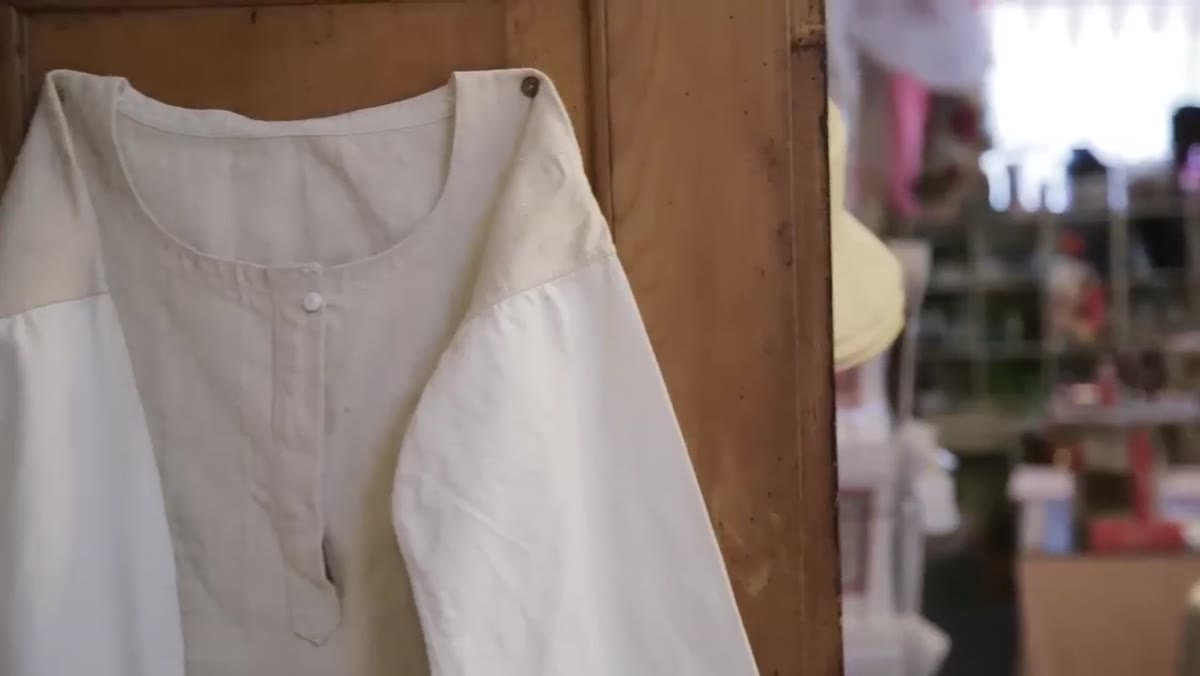
Meng uses the phrase “generally French” to describe her guiding principle, and it does real work. It’s specific enough to rule things out and broad enough to let the collection breathe. Before she acquired a single piece of inventory, she had a concept that answered the question: does this belong here? In studio terms, this is your shoot brief before it becomes a lighting plan. I tape the brief to the wall next to my lighting diagram. If a modifier or a backdrop doesn’t serve the brief, it goes back in the case. Meng’s approach confirms what I’ve learned the hard way: if your space doesn’t have a concept, every purchase is a guess.
Meng describing the “generally French” concept to camera
Meng uses the phrase “generally French” to describe her guiding principle, and it does real work. It’s specific enough to rule things out and broad enough to let the collection breathe. Before she acquired a single piece of inventory, she had a concept that answered the question: does this belong here? In studio terms, this is your shoot brief before it becomes a lighting plan. I tape the brief to the wall next to my lighting diagram. If a modifier or a backdrop doesn’t serve the brief, it goes back in the case. Meng’s approach confirms what I’ve learned the hard way: if your space doesn’t have a concept, every purchase is a guess.
Step 2: Anchor Your Palette to a Historical or Emotional Source
 Meng referencing 18th and 19th century French color and texture
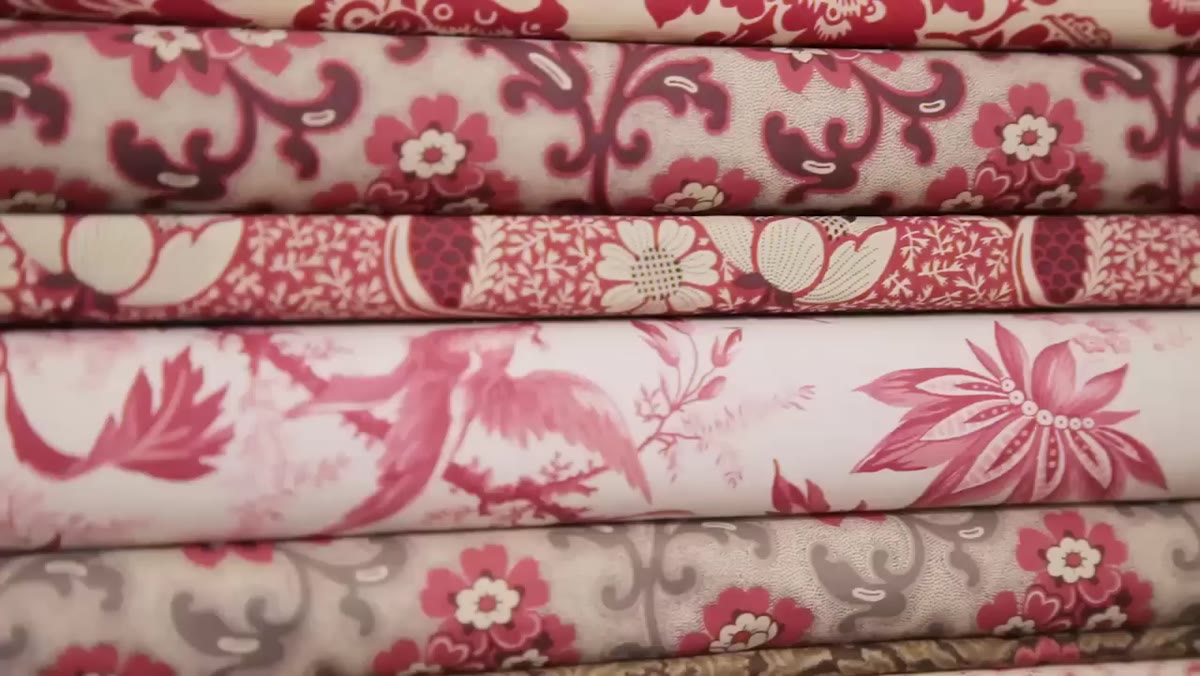
The French General palette, reds, blues, naturals, rough textures, comes directly from research into a specific historical period and place. Meng travels to France every summer and observes how that lifestyle still exists in rural areas. She’s not inventing a mood board from scratch. She’s documenting something real and then replicating it deliberately. In photography, I do the same thing when building a studio environment for an editorial client. I keep a lighting journal where I sketch setups and note the reference images that inspired them. If a client wants a 1970s Italian Vogue feeling, I’m pulling tear sheets and working backward from the tones and contrasts I see, not guessing at a starting point. Anchor your aesthetic decisions to something concrete and you’ll make fewer expensive mistakes.
Meng referencing 18th and 19th century French color and texture
The French General palette, reds, blues, naturals, rough textures, comes directly from research into a specific historical period and place. Meng travels to France every summer and observes how that lifestyle still exists in rural areas. She’s not inventing a mood board from scratch. She’s documenting something real and then replicating it deliberately. In photography, I do the same thing when building a studio environment for an editorial client. I keep a lighting journal where I sketch setups and note the reference images that inspired them. If a client wants a 1970s Italian Vogue feeling, I’m pulling tear sheets and working backward from the tones and contrasts I see, not guessing at a starting point. Anchor your aesthetic decisions to something concrete and you’ll make fewer expensive mistakes.
Step 3: Organize by Material Logic, Not by Category
 Meng organizing the linen closet by fiber type and weight
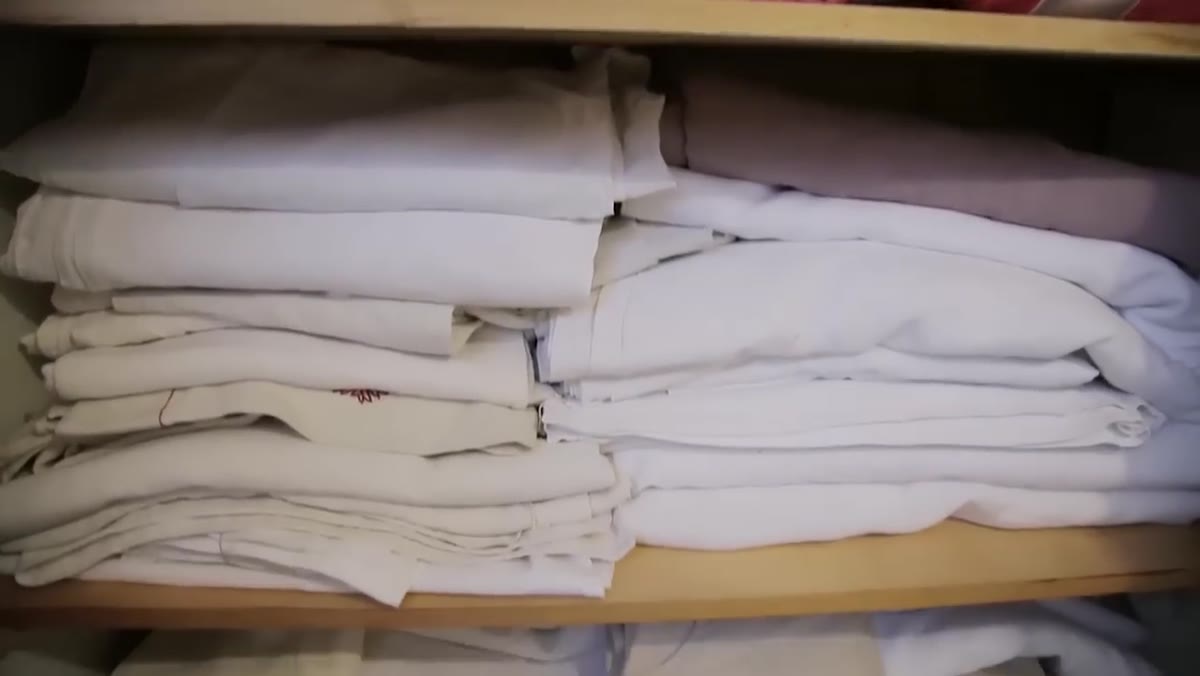
When Meng walks through her linen storage, she doesn’t organize by color or by price point. She organizes by what the material actually is: fine linen by itself, hemp-linen blends together, vegetable-dyed pieces grouped separately. Each category has different properties and different use cases, and the organization reflects that. This is exactly how I organize my modifier collection. Softboxes by size, grids by degree, gels by color temperature range. When I need to make a fast decision mid-shoot, I’m not hunting. I know where the 1/2 CTO is because it lives with the other warming gels, not alphabetically next to a green. Organizational logic should follow the logic of how you actually use the tools.
Meng organizing the linen closet by fiber type and weight
When Meng walks through her linen storage, she doesn’t organize by color or by price point. She organizes by what the material actually is: fine linen by itself, hemp-linen blends together, vegetable-dyed pieces grouped separately. Each category has different properties and different use cases, and the organization reflects that. This is exactly how I organize my modifier collection. Softboxes by size, grids by degree, gels by color temperature range. When I need to make a fast decision mid-shoot, I’m not hunting. I know where the 1/2 CTO is because it lives with the other warming gels, not alphabetically next to a green. Organizational logic should follow the logic of how you actually use the tools.
Step 4: Let the Visitor’s Behavior Tell You What They Need
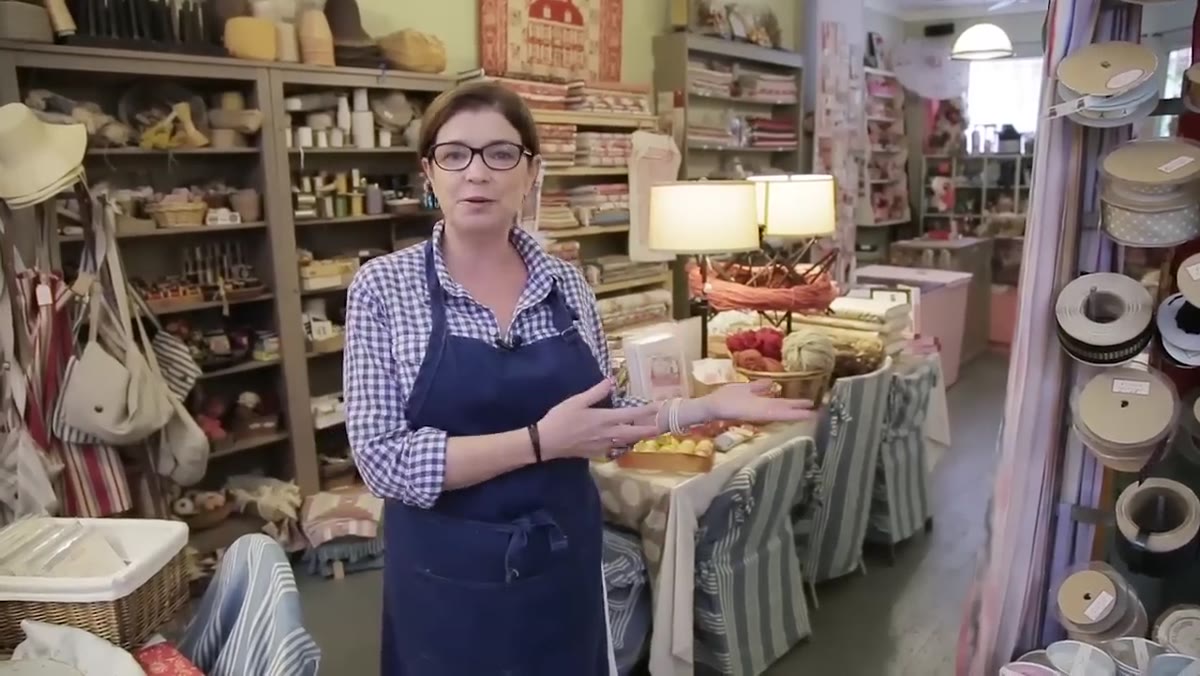 Meng observing where customers go first in the shop
Meng describes watching where customers move when they walk in. Where they stop first tells her what they’re passionate about, whether it’s jewelry, quilting, or paper. She uses that information to guide them more specifically rather than pitching everything at once. When a new client walks into my studio, I watch the same way. Do they go straight to the backdrop system? Are they studying the light positions I’ve already set up from a previous session? That tells me whether they’re a visual thinker who wants to talk aesthetics or someone who wants to understand the mechanics. Reading the room before you start talking saves you from a fifteen-minute explanation nobody wanted.
Meng observing where customers go first in the shop
Meng describes watching where customers move when they walk in. Where they stop first tells her what they’re passionate about, whether it’s jewelry, quilting, or paper. She uses that information to guide them more specifically rather than pitching everything at once. When a new client walks into my studio, I watch the same way. Do they go straight to the backdrop system? Are they studying the light positions I’ve already set up from a previous session? That tells me whether they’re a visual thinker who wants to talk aesthetics or someone who wants to understand the mechanics. Reading the room before you start talking saves you from a fifteen-minute explanation nobody wanted.
Step 5: Build in Multiple Creative Modes Under One Roof
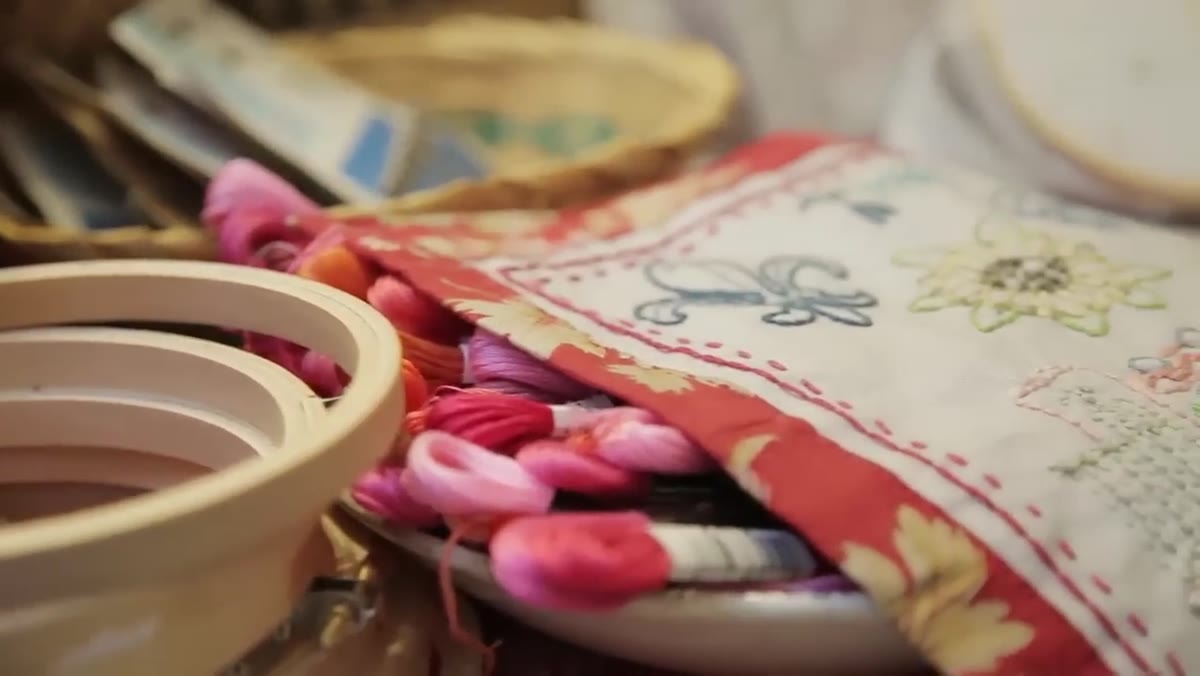 Meng describing bead, weaving, embroidery, and papercraft workshops
The French General space hosts beadwork, weaving, embroidery, hand stitching, and papercraft workshops, all under one concept umbrella. These aren’t random. Each connects to the textile and artisanal thread running through everything Meng does. The variety keeps the space alive and keeps her interested. I run my studio the same way. I have a product shooting corner with a dedicated table and consistent bounce card positions. I have a portrait zone with a main light position I return to constantly. I have a small area for still-life work where I experiment with natural light coming through a north-facing window. Each mode has its own logic, but everything serves commercial and editorial photography. The variety isn’t distraction. It’s depth.
Meng describing bead, weaving, embroidery, and papercraft workshops
The French General space hosts beadwork, weaving, embroidery, hand stitching, and papercraft workshops, all under one concept umbrella. These aren’t random. Each connects to the textile and artisanal thread running through everything Meng does. The variety keeps the space alive and keeps her interested. I run my studio the same way. I have a product shooting corner with a dedicated table and consistent bounce card positions. I have a portrait zone with a main light position I return to constantly. I have a small area for still-life work where I experiment with natural light coming through a north-facing window. Each mode has its own logic, but everything serves commercial and editorial photography. The variety isn’t distraction. It’s depth.
Step 6: Follow Slow, Natural Progression Instead of Forcing Growth
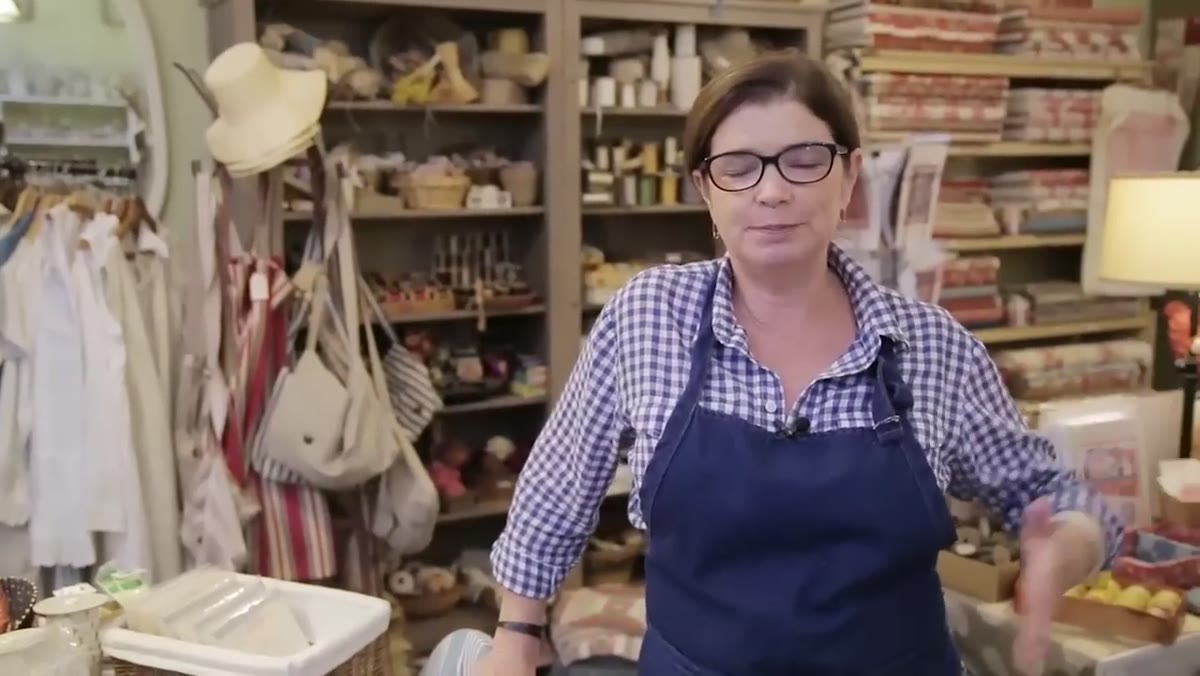 Meng describing her move from jewelry to textiles to fabric design
Meng traces her own creative arc from jewelry making, to collecting historical textiles, to designing original fabric for a quilting manufacturer. Each step grew from genuine curiosity and took years. She describes the progression as “very natural and very slow.” That phrase is worth sitting with. I spent too many years in my thirties chasing every new modifier and lighting system the moment it hit the market. I have a rule now: I test every new piece of gear the day it arrives, but I don’t integrate it into client work until I’ve shot at least three personal projects with it. Slow adoption means fewer surprises when the stakes are real.
Meng describing her move from jewelry to textiles to fabric design
Meng traces her own creative arc from jewelry making, to collecting historical textiles, to designing original fabric for a quilting manufacturer. Each step grew from genuine curiosity and took years. She describes the progression as “very natural and very slow.” That phrase is worth sitting with. I spent too many years in my thirties chasing every new modifier and lighting system the moment it hit the market. I have a rule now: I test every new piece of gear the day it arrives, but I don’t integrate it into client work until I’ve shot at least three personal projects with it. Slow adoption means fewer surprises when the stakes are real.
What I’d Add: The Concept Needs a Stress Test
The one thing I’d push back on slightly is how effortlessly Meng makes the concept sound. “Generally French” is elegant, but it took years of iteration and purchasing mistakes to define it that precisely. In my own studio, I run what I think of as a stress test on any new concept or setup: I try to break it deliberately. I bring in a modifier that shouldn’t work, a light position that contradicts the mood, a backdrop that clashes. If the concept is solid, those additions announce themselves immediately as wrong. If I’m not sure, the concept isn’t tight enough yet. Meng’s space passed that test years ago. Most of us are still working toward it.
The single biggest lesson from this tour is that a creative space communicates a point of view before anyone says a word, and that point of view has to be built on research and genuine passion, not trend. Watch how Meng describes every object and every decision in terms of a specific historical and emotional world. That’s the discipline worth borrowing, whether your studio shoots fashion, beauty, or corporate portraits.
Watch the full tutorial on YouTube
Comments (2)
The before and after really sells it. Incredible difference.
I've been looking for exactly this kind of tutorial. Perfect timing.
Leave a Comment