What a French Textile Studio Taught Me About Building a Creative Space That Actually Works

What a French Textile Studio Taught Me About Building a Creative Space That Actually Works

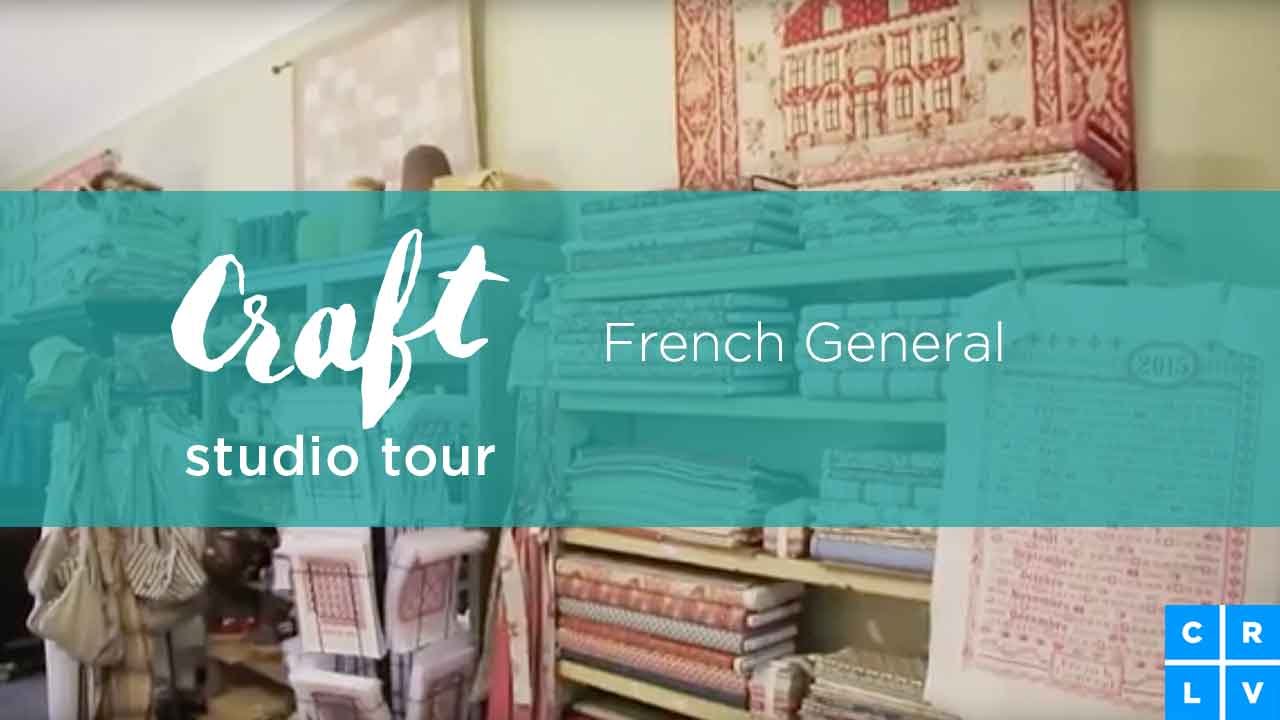
There’s a problem I run into constantly with studio work: the space fights you. Equipment sprawls, surfaces compete, and the visual language of the room becomes noise instead of signal. I’ve shot in rented studios that felt like airport terminals and in cramped home setups that somehow produced beautiful work, and after twenty years of this I’ve come to believe that intentionality is the difference. Not square footage. Not budget. Intention.
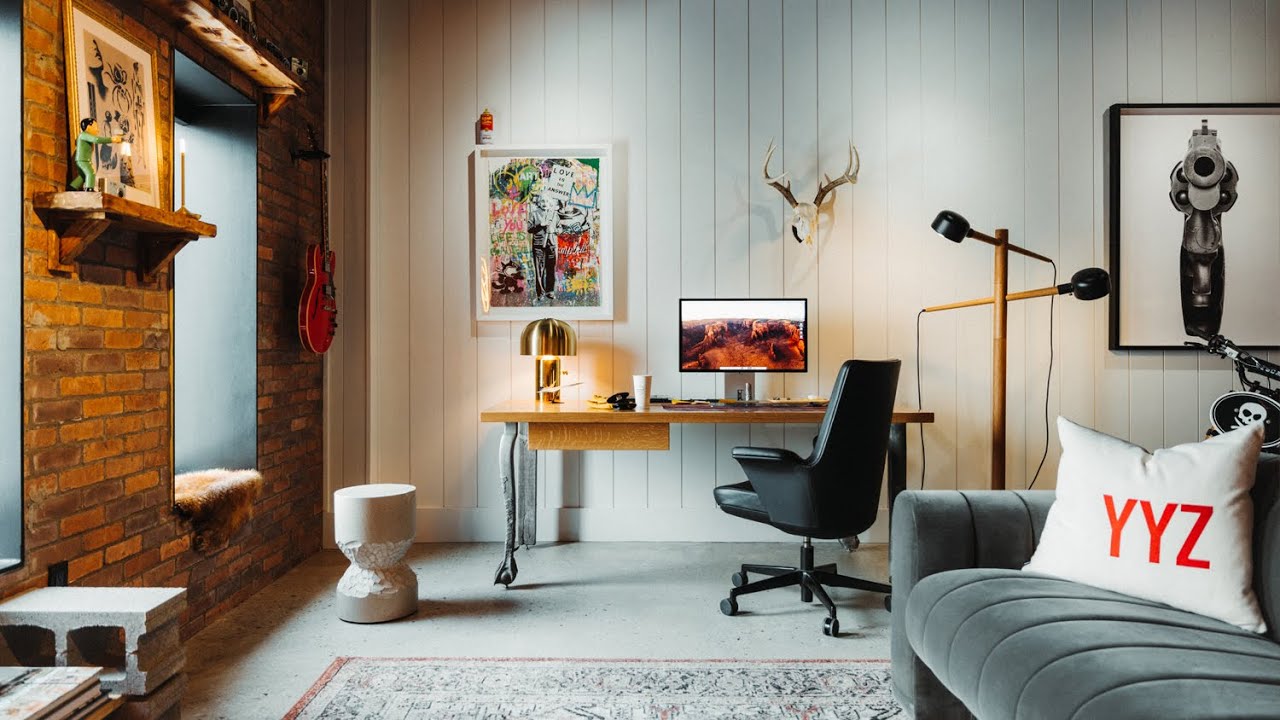
What Peter McKinnon's Studio HQ Teaches Us About Building a Space That Actually Works

What Peter McKinnon's Studio HQ Teaches Us About Building a Space That Actually Works

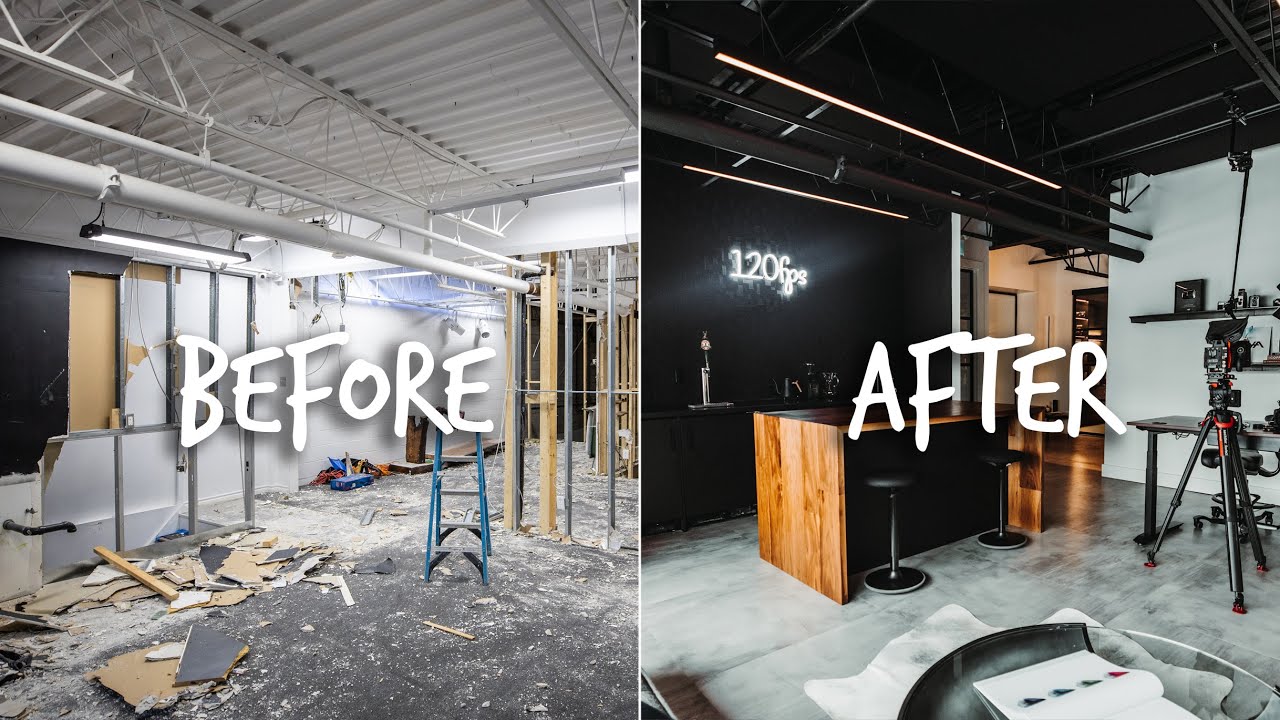
I’ve been shooting in studios for nearly two decades, and the question I get asked almost as often as “what modifier did you use?” is “how did you set up your space?” It sounds like a soft question, but it isn’t. The way a studio is designed determines how efficiently you shoot, how clients feel when they walk in, and whether the room inspires or drains you by 3pm. So when Peter McKinnon dropped a full walkthrough of his YouTube HQ and creative studio, I watched it twice.

What a Sewing Studio Teaches Me About Building a Creative Space That Actually Works

What a Sewing Studio Teaches Me About Building a Creative Space That Actually Works

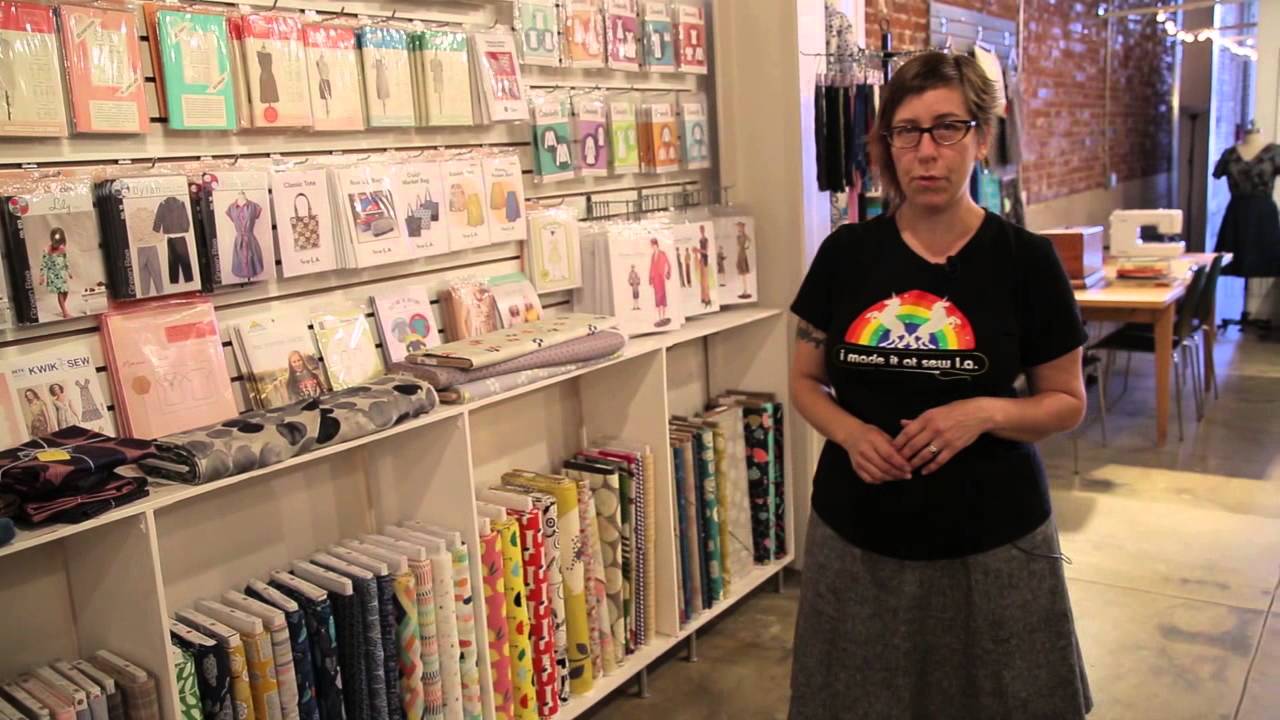
There’s a version of studio envy that has nothing to do with lighting equipment. I felt it the first time I walked into a workspace that was clearly built around how someone actually thinks, not just what looks good in a behind-the-scenes photo. My own studio in Los Angeles has gone through probably six iterations in the last decade. Too sterile. Too cluttered. Wrong flow between the shooting area and the editing corner.

How Peter McKinnon Organizes a Working Studio (And What It Taught Me About My Own)

How Peter McKinnon Organizes a Working Studio (And What It Taught Me About My Own)

Every few years I tear my studio apart and rebuild it from scratch. Not because something broke, but because the friction adds up. I spend four minutes hunting for a specific cable. I skip a modifier because it’s buried behind two light stands. I find myself standing in the middle of the room deciding where to put something instead of actually shooting. The space stops serving the work and starts fighting it.

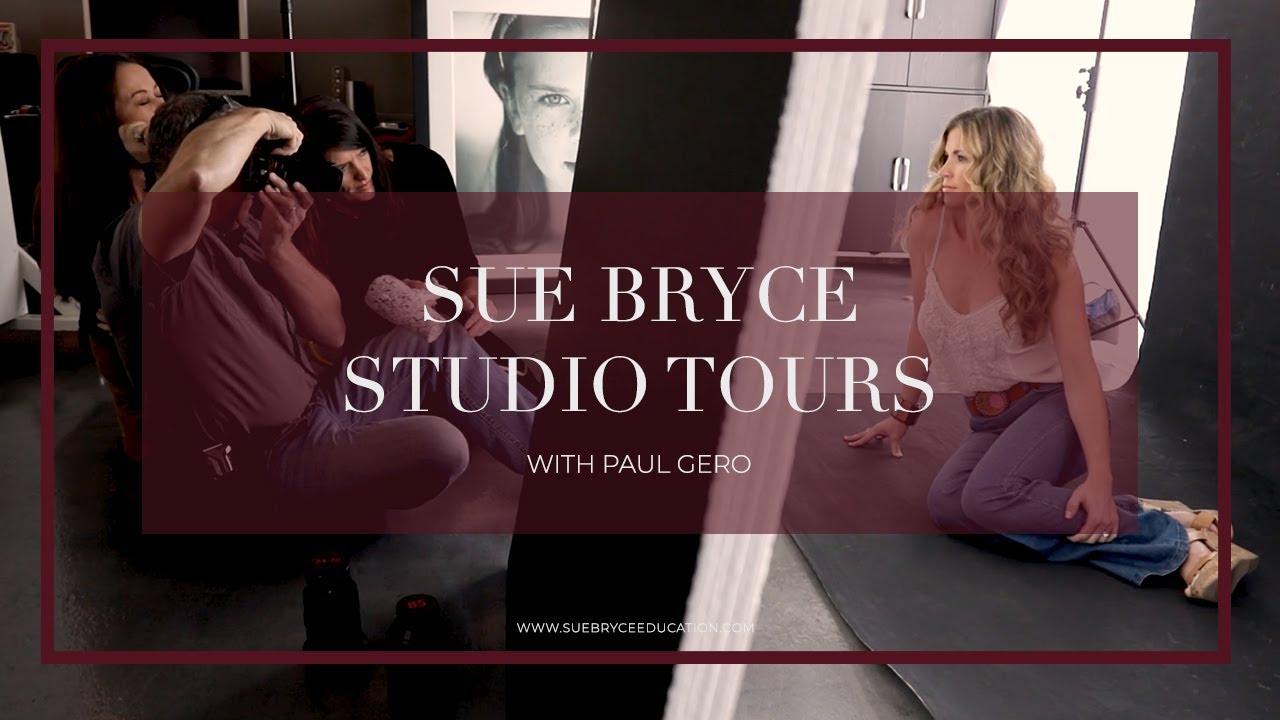
What a 34-Year Pro's Garage Studio Taught Me About Running a Real Portrait Business

What a 34-Year Pro's Garage Studio Taught Me About Running a Real Portrait Business

There’s a version of “studio goals” that lives on Instagram and costs about $40,000 to build. Concrete floors with custom epoxy. Seamless white walls. A prop room that looks like a Brooklyn loft. I’ve been in those studios. Some of them produce incredible work. A lot of them are monuments to overhead. So when I came across this studio tour from The Portrait System featuring Paul Gero, I kept watching because what he’s built is the opposite of that, and it’s clearly working.

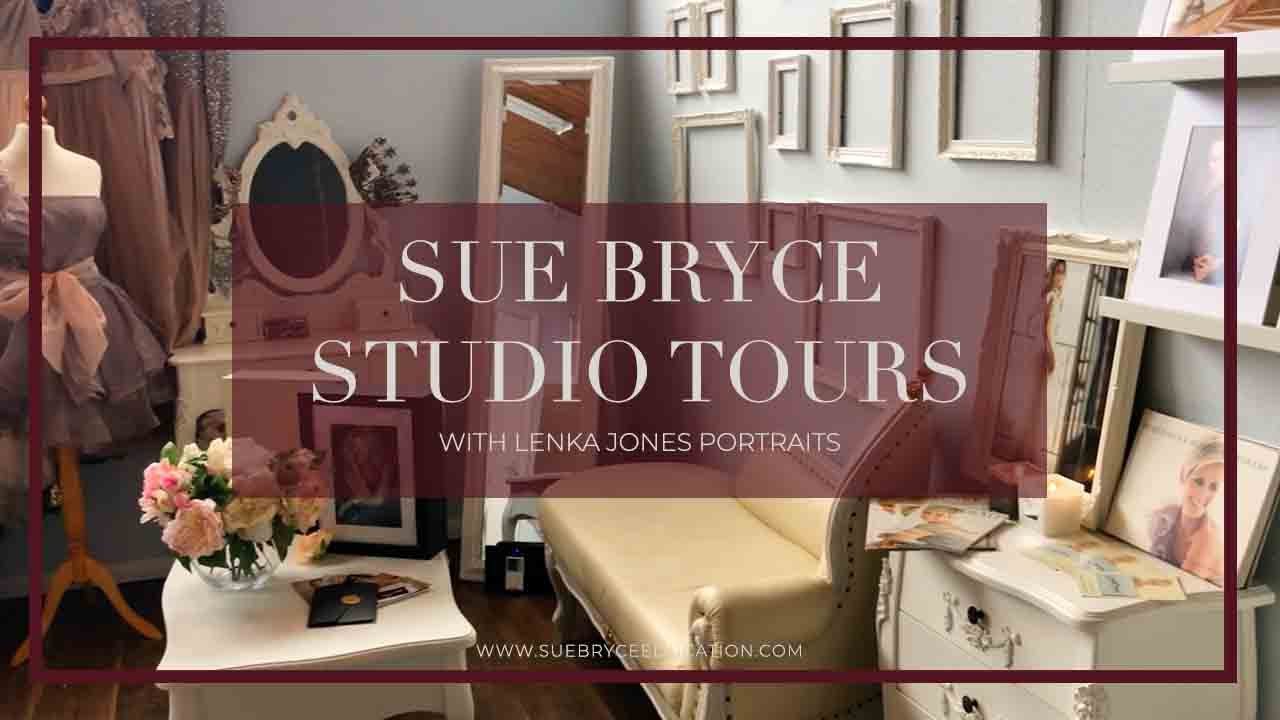
What Lenka Jones' Tiny UK Studio Taught Me About Building a Portrait Business That Actually Charges What It's Worth

What Lenka Jones' Tiny UK Studio Taught Me About Building a Portrait Business That Actually Charges What It's Worth

There’s a particular kind of photographer I pay close attention to: the one who built something real in an unlikely place. Not a loft in Manhattan or a converted warehouse in LA, but a wooden hut in a English village surrounded by fields. When I first watched this studio tour from The Portrait System, featuring UK-based portrait photographer Lenka Jones, I wasn’t expecting to come away rethinking how I structure my shooting space and how I talk to clients about money.

Inside a Working Jewelry Studio: What Craft Workflows Teach Us About Purposeful Workspace Design

Inside a Working Jewelry Studio: What Craft Workflows Teach Us About Purposeful Workspace Design

There’s a version of “studio envy” I used to get from flipping through architecture magazines, the kind where everything is pristine, calibrated, and clearly never used. Then there’s the real thing. I keep a lighting journal where I sketch every setup after every shoot, and one habit I’ve built alongside that is studying how other working creatives organize their physical space. Not just photographers. Jewelers, ceramicists, painters. The decisions they make about tool placement, inspiration walls, and workflow stations translate directly into how I think about light placement and shooting order.

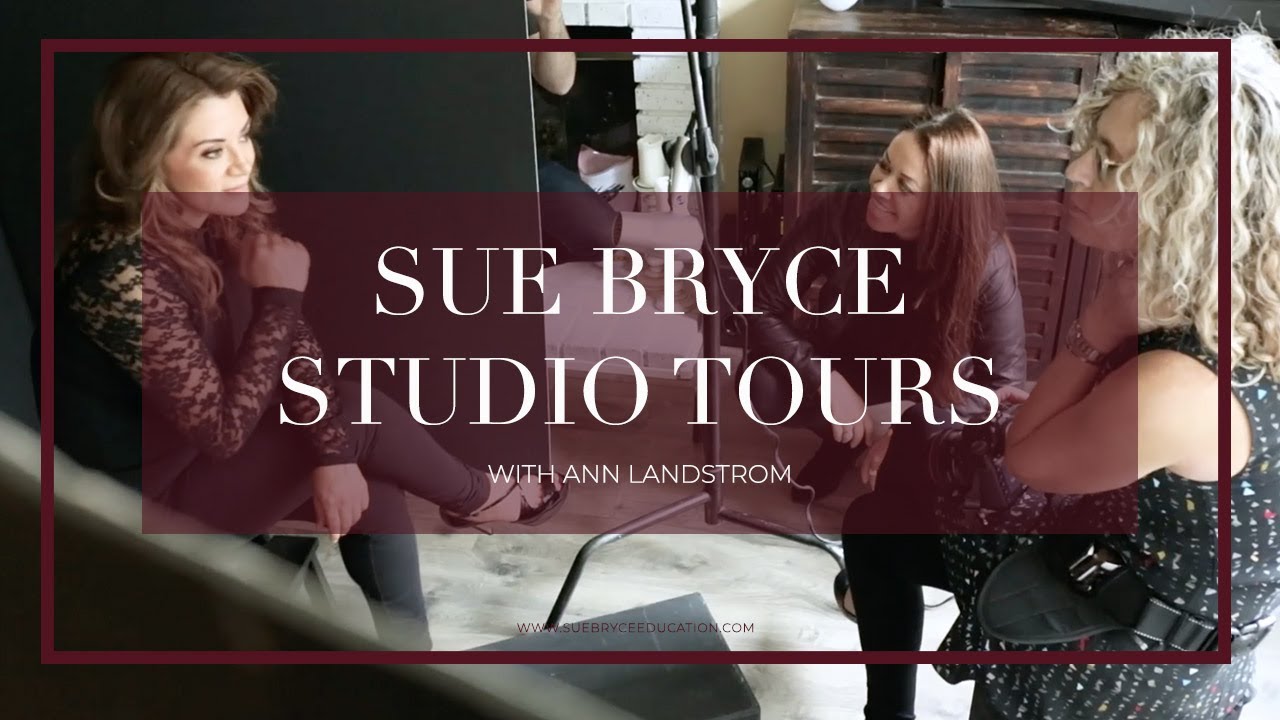
How Ann Landstrom Turned Her San Diego Home Into a Working Portrait Studio (And What You Can Steal From Her Setup)

How Ann Landstrom Turned Her San Diego Home Into a Working Portrait Studio (And What You Can Steal From Her Setup)

Most photographers I know are waiting. Waiting for the right lease, the right neighborhood, the right square footage. I spent two years telling myself I couldn’t shoot proper editorial work without a dedicated commercial space. Then I started paying closer attention to what some of the more entrepreneurial portrait photographers were actually doing with the space they already had, and the excuse started to fall apart. In this The Portrait System tutorial, Sue Bryce visits San Diego-based portrait photographer Ann Landstrom, who built a legitimate, profitable studio inside her home.

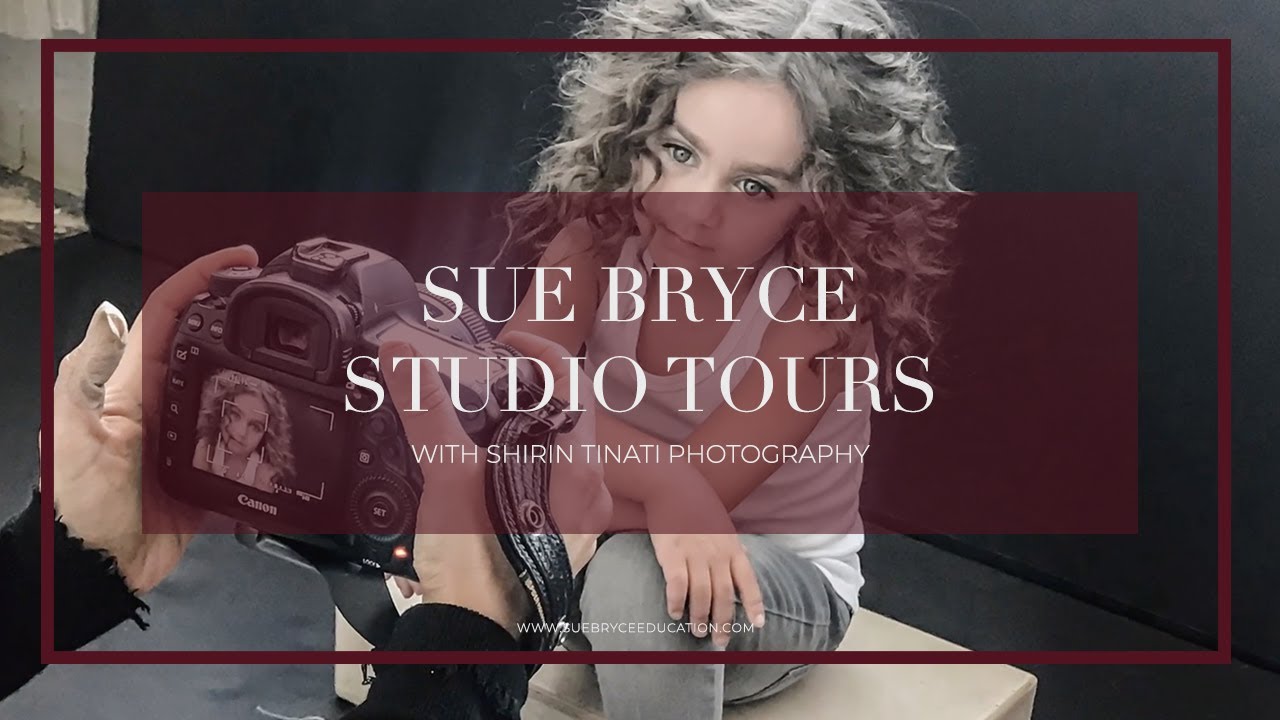
Inside a Working Headshot Studio: What Shirin Tinati's South Bronx Space Teaches Us About Intentional Setup

Inside a Working Headshot Studio: What Shirin Tinati's South Bronx Space Teaches Us About Intentional Setup

There is a particular kind of exhaustion that comes from shooting in a space that fights you. Wrong traffic flow between the lounge and the shooting area, nowhere to hang a backdrop without breaking down another light stand, clients sitting in a chair that faces a chaotic pile of gear instead of something that calms them down. I have shot in spaces like that, and the work always shows it, not dramatically, but in that subtle tension clients carry when they don’t feel settled.