Zero-Friction Studio Design: What Peter McKinnon's Final Studio Tour Teaches Us About Shooting from Anywhere

Zero-Friction Studio Design: What Peter McKinnon's Final Studio Tour Teaches Us About Shooting from Anywhere

There’s a specific kind of frustration that only studio photographers understand. You’ve dialed in your key light, your fill ratio is exactly where you want it, your background is clean, and then a client asks if you can shoot “from the other side.” Suddenly everything falls apart. The light hits the backdrop stand. The extension cord crosses the frame. The whole setup was engineered for one angle, and that angle only.
Inside a Creator's Studio: Lighting Lessons Hidden in Peter McKinnon's Wild Studio Tour

Inside a Creator's Studio: Lighting Lessons Hidden in Peter McKinnon's Wild Studio Tour

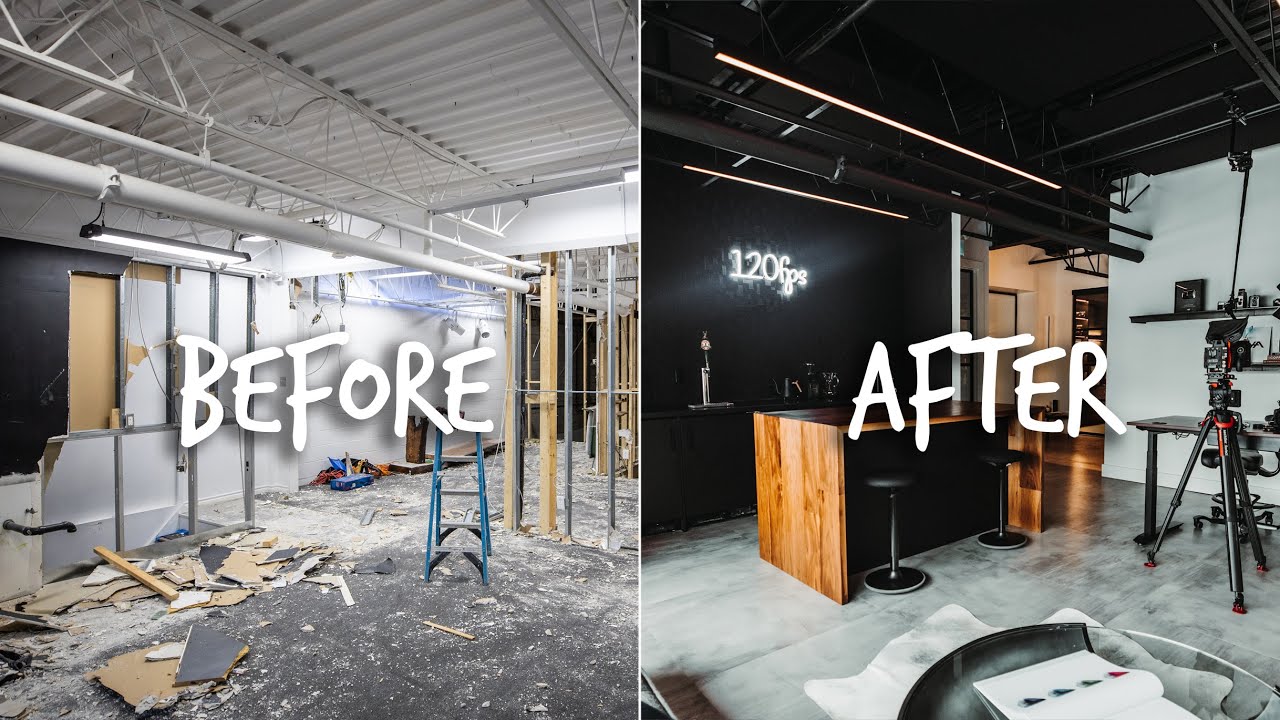
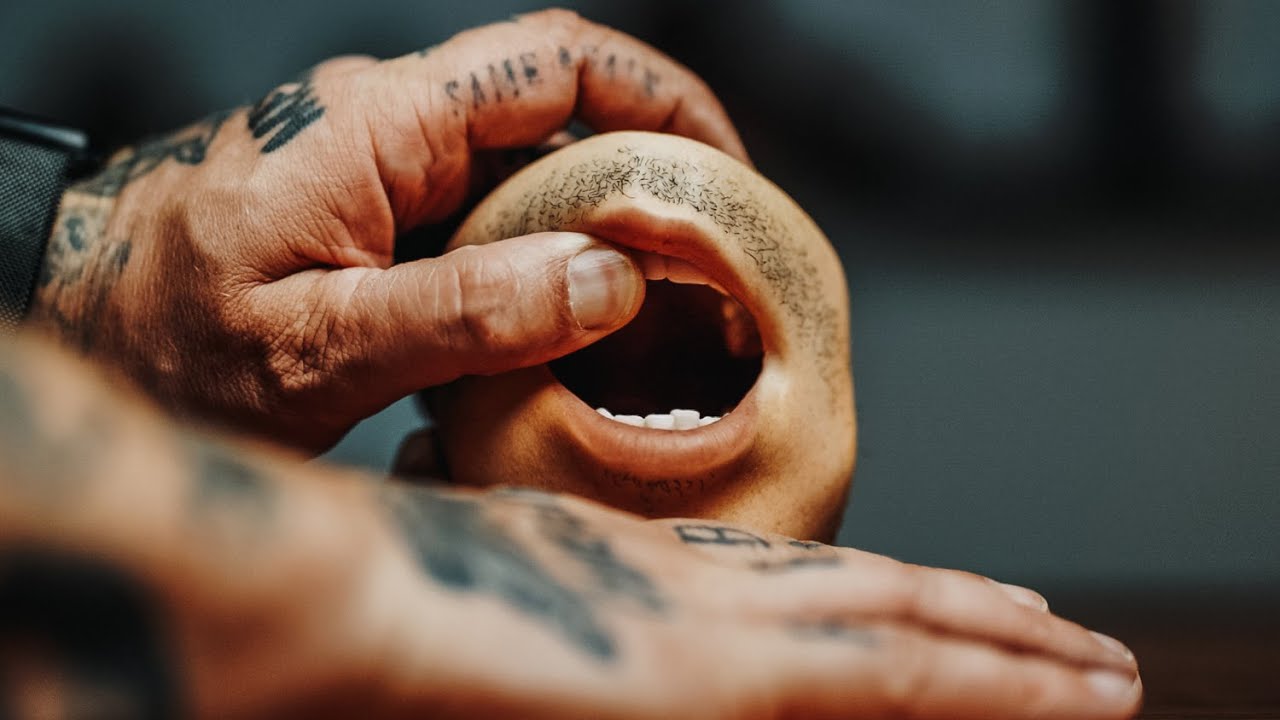
There’s a moment in every working photographer’s career when a client walks into your studio and either relaxes or tenses up. You can feel it in the first ten seconds. I’ve been shooting commercial and editorial work long enough to know that the lighting environment you build around your subjects does at least half the job before you ever fire a strobe. That’s why, even though Watch the full tutorial on YouTube this Peter McKinnon studio tour is ostensibly a fun hangout video with his friend Chris, I watched it three times taking notes on how Chris’s studio space is lit and why it works so well.

What a French Textile Studio Taught Me About Building a Creative Space That Actually Works

What a French Textile Studio Taught Me About Building a Creative Space That Actually Works

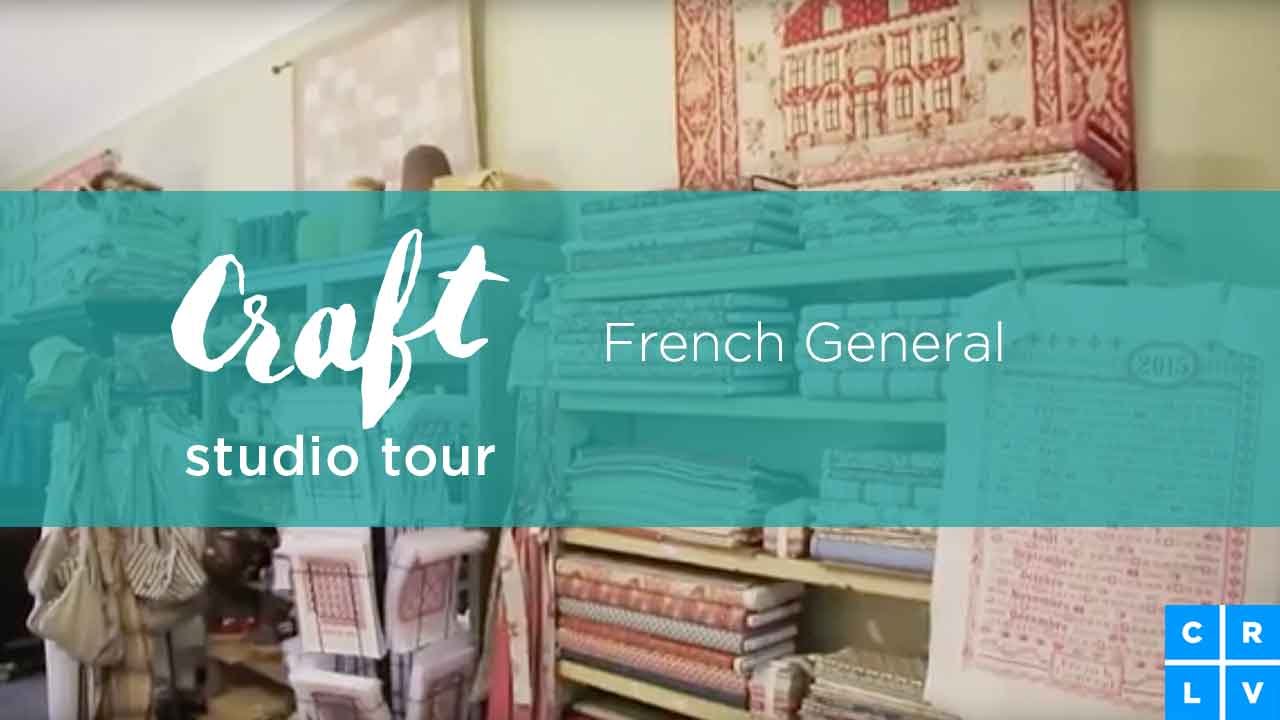
There’s a problem I run into constantly with studio work: the space fights you. Equipment sprawls, surfaces compete, and the visual language of the room becomes noise instead of signal. I’ve shot in rented studios that felt like airport terminals and in cramped home setups that somehow produced beautiful work, and after twenty years of this I’ve come to believe that intentionality is the difference. Not square footage. Not budget. Intention.

What Peter McKinnon's Studio HQ Teaches Us About Building a Space That Actually Works

What Peter McKinnon's Studio HQ Teaches Us About Building a Space That Actually Works

I’ve been shooting in studios for nearly two decades, and the question I get asked almost as often as “what modifier did you use?” is “how did you set up your space?” It sounds like a soft question, but it isn’t. The way a studio is designed determines how efficiently you shoot, how clients feel when they walk in, and whether the room inspires or drains you by 3pm. So when Peter McKinnon dropped a full walkthrough of his YouTube HQ and creative studio, I watched it twice.

What a Sewing Studio Teaches Me About Building a Creative Space That Actually Works

What a Sewing Studio Teaches Me About Building a Creative Space That Actually Works

There’s a version of studio envy that has nothing to do with lighting equipment. I felt it the first time I walked into a workspace that was clearly built around how someone actually thinks, not just what looks good in a behind-the-scenes photo. My own studio in Los Angeles has gone through probably six iterations in the last decade. Too sterile. Too cluttered. Wrong flow between the shooting area and the editing corner.

Small Studio, Strong Light: What Ashleigh Taylor's 300-Square-Foot Space Teaches Every Portrait Photographer

Small Studio, Strong Light: What Ashleigh Taylor's 300-Square-Foot Space Teaches Every Portrait Photographer

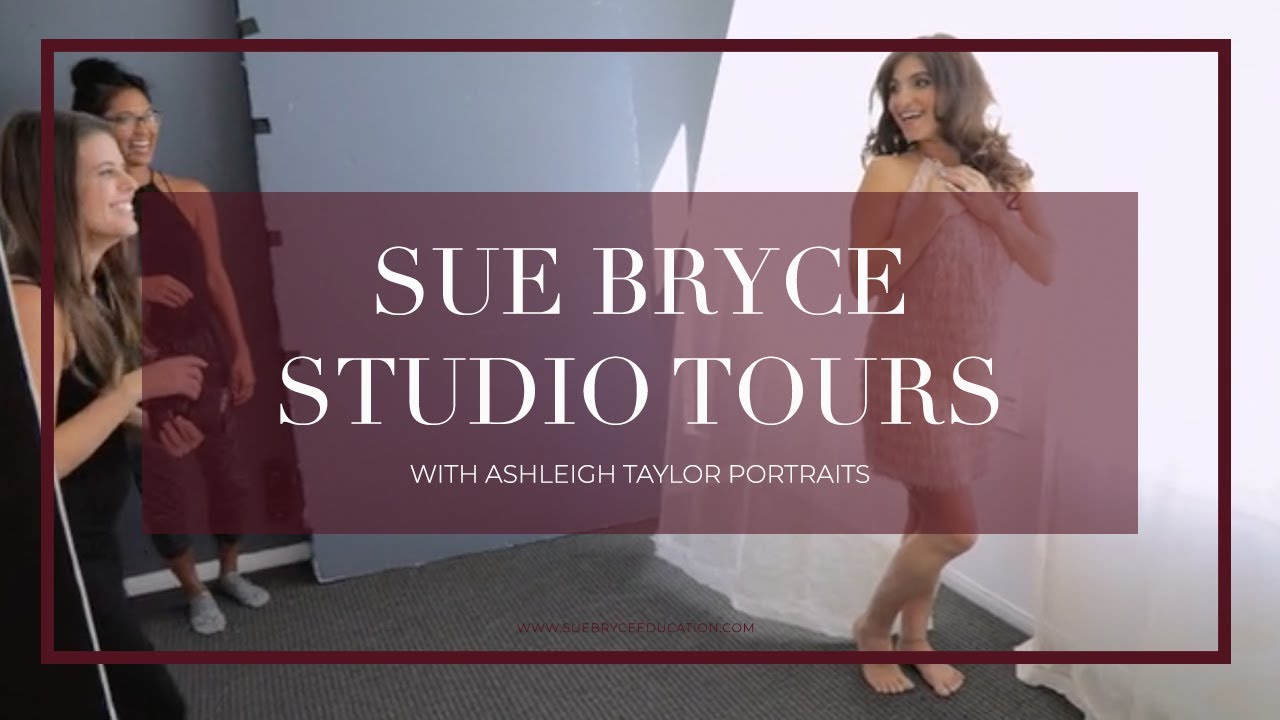
Space is the excuse I hear more than any other. Photographers tell me they need a bigger studio before they can do serious portrait work, before they can justify the rent, before they can start building a client base. I spent years believing a version of that myself. My first Los Angeles studio was just over 400 square feet and I treated it like a limitation rather than a constraint worth solving.

How Andrew Knowles Built a Studio Worth Copying (And What I Took Notes On)

How Andrew Knowles Built a Studio Worth Copying (And What I Took Notes On)

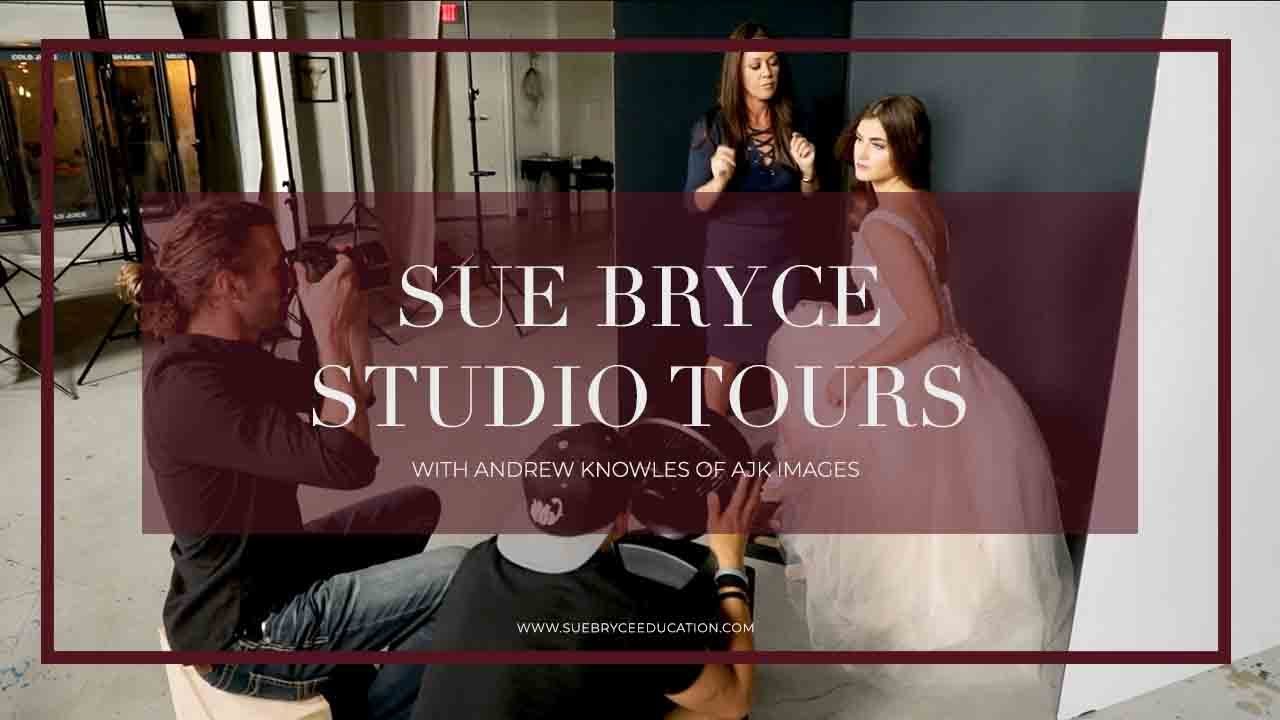
There’s a version of studio envy that’s unproductive. You scroll through someone’s setup, feel bad about your own, and move on. Then there’s the kind that makes you pull out a notebook. Andrew Knowles’ Dallas studio is firmly the second kind. In this Watch the full tutorial on YouTube studio tour from The Portrait System, Sue Bryce walks through the space Knowles built over roughly 18 months after transitioning from a pure outdoor location shooter to a full studio practice.

From a Spare Room to a Dream Studio: What Kelly Brown's Build-Out Teaches Every Serious Photographer

From a Spare Room to a Dream Studio: What Kelly Brown's Build-Out Teaches Every Serious Photographer

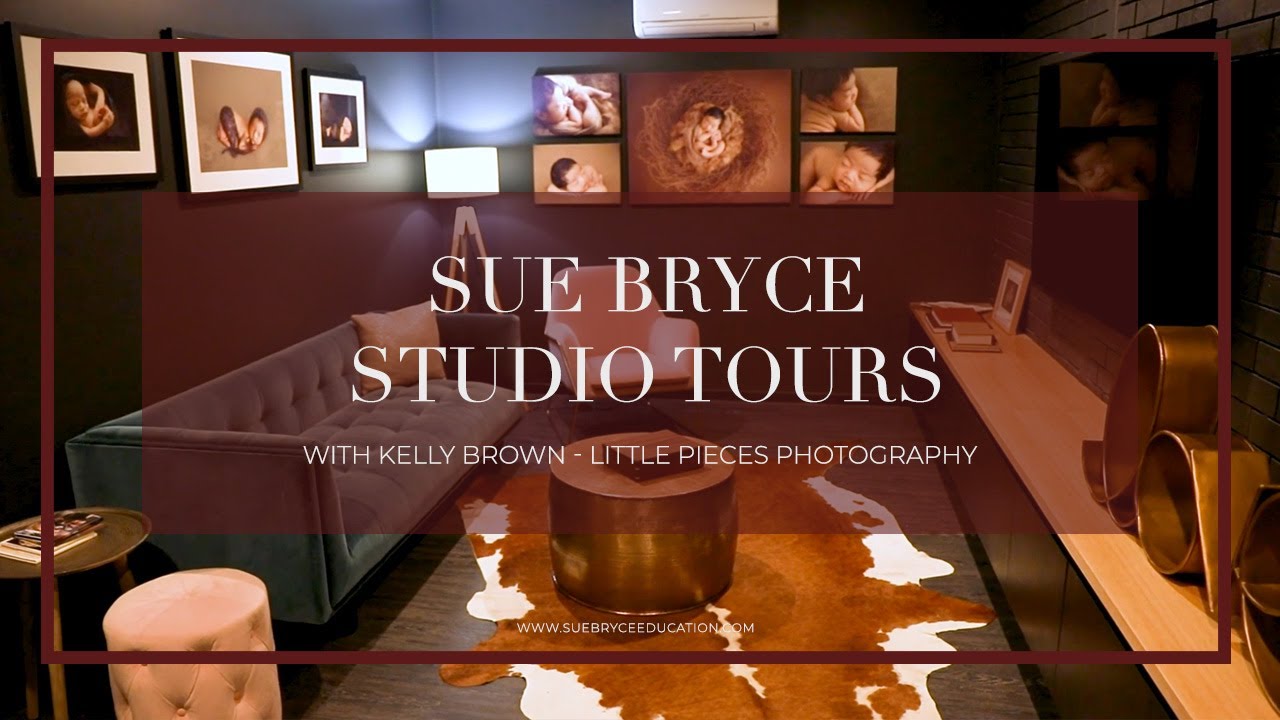
There’s a particular kind of envy I feel when I walk into a studio that someone built entirely on their own terms. Not the petty kind. The motivating kind. I felt it watching this studio tour from The Portrait System, featuring Brisbane-based newborn photographer Kelly Brown of Little Pieces Photography. Watch the full tutorial on YouTube I’ve spent years in rented studios, shooting in spaces designed for someone else’s workflow. The lighting positions were wrong for my preferred setups, the walls were the wrong color, the ceiling height was never quite enough.

Inside a Working Jewelry Studio: What Craft Workflows Teach Us About Purposeful Workspace Design

Inside a Working Jewelry Studio: What Craft Workflows Teach Us About Purposeful Workspace Design

There’s a version of “studio envy” I used to get from flipping through architecture magazines, the kind where everything is pristine, calibrated, and clearly never used. Then there’s the real thing. I keep a lighting journal where I sketch every setup after every shoot, and one habit I’ve built alongside that is studying how other working creatives organize their physical space. Not just photographers. Jewelers, ceramicists, painters. The decisions they make about tool placement, inspiration walls, and workflow stations translate directly into how I think about light placement and shooting order.

Small Studio, Smart System: What Felicia Schütte's Bonaire Setup Taught Me About Working in Tight Spaces

Small Studio, Smart System: What Felicia Schütte's Bonaire Setup Taught Me About Working in Tight Spaces

I shoot out of a 400-square-foot space in Los Angeles. That sounds like plenty until you factor in two light stands, a boom arm, a seamless backdrop roll, a prop corner, and enough floor space to actually move around your subject. Square footage disappears fast, and the photographers who figure out how to make a small room work well are the ones worth studying closely. When I came across this studio tour from The Portrait System featuring Felicia Schütte, a Portrait Masters Fellow working out of the island of Bonaire in the Dutch Caribbean, I watched it twice.

What Sue Bryce's Studio Design Teaches Every Working Photographer About Space, Flow, and Client Psychology

What Sue Bryce's Studio Design Teaches Every Working Photographer About Space, Flow, and Client Psychology

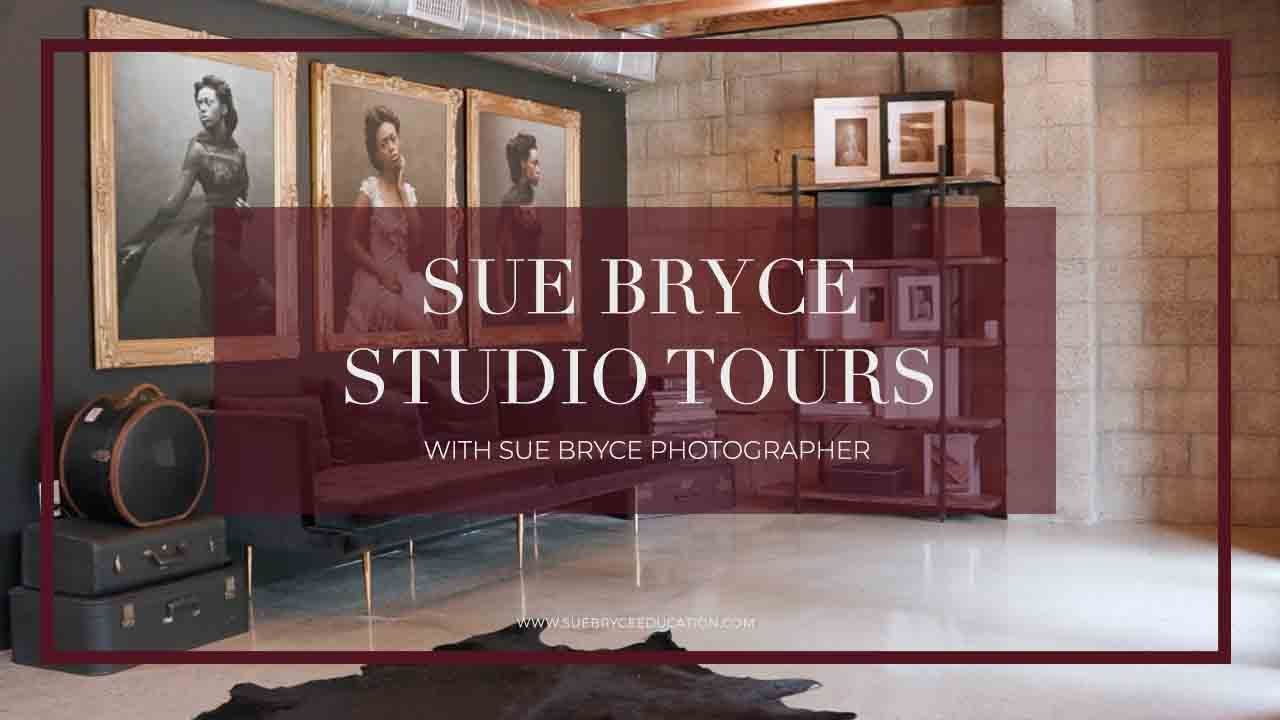
I’ve been in a lot of studios. Shot in borrowed spaces, rented daylight lofts, converted warehouses, and one genuinely terrible basement in Burbank where the ceiling was so low I had to angle every softbox sideways. What I’ve learned across all of them is that the physical space isn’t neutral. It talks to your clients before you do. It tells them what kind of photographer you are, what they can expect to pay, and whether they should trust you with something as personal as their own portrait.

From Forgotten Shed to Creative Haven: Building a Professional Studio in Minimal Space

From Forgotten Shed to Creative Haven: Building a Professional Studio in Minimal Space

The Constraints That Drive Innovation I’ve spent years watching photographers and artists struggle with the same problem: limited space, unlimited ambition. So when I learned about how one Pixar illustrator transformed a neglected shed into a fully functional creative workspace, I had to dig deeper. The result is a masterclass in constraint-driven design that applies directly to how we approach studio photography and lighting. The project demonstrates something I’ve always believed—your space doesn’t determine your output; your intentionality does.