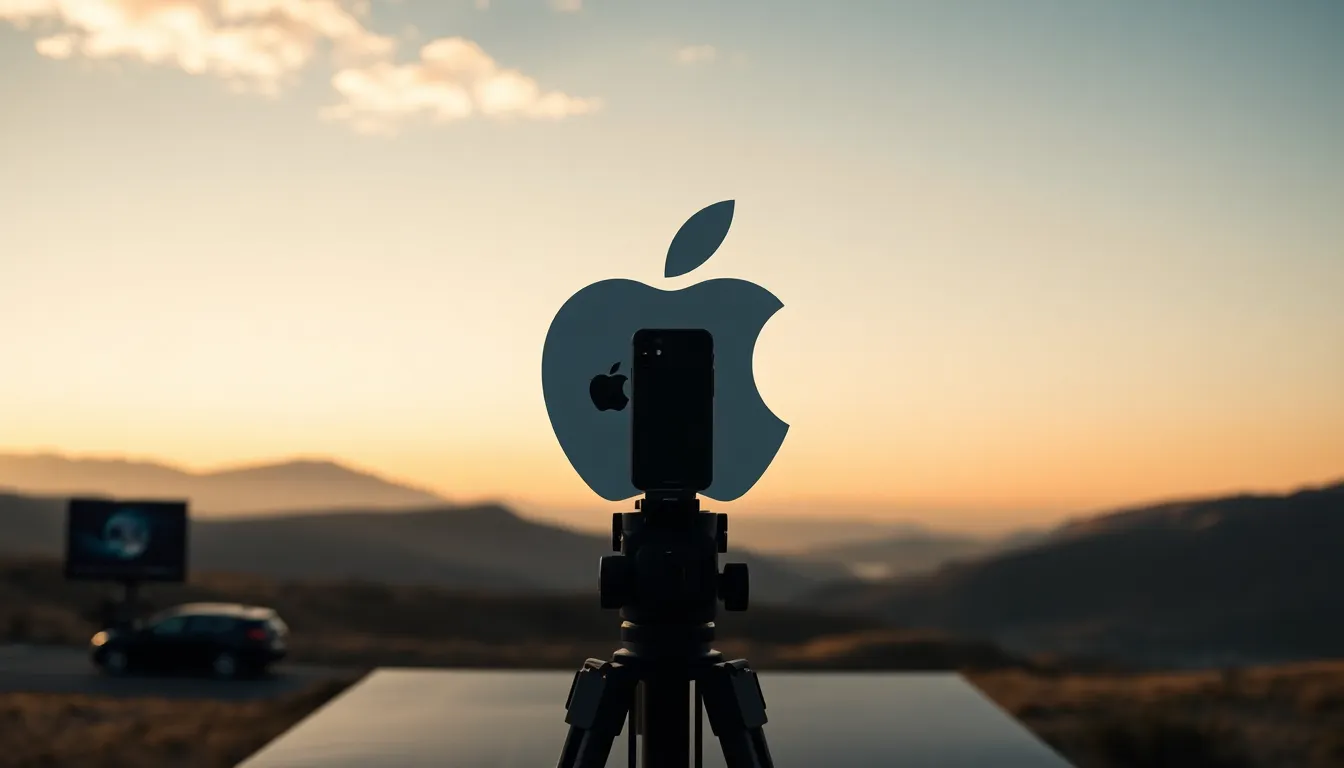
I recently learned about an extraordinary exhibition opening in Roswell, Georgia that’s shifted my thinking about how we photograph technology and industrial design. The Mimms Museum of Technology and Art is launching iNSPIRE: 50 Years of Innovation from Apple, and while the exhibit itself celebrates a tech giant’s history, it’s the visual storytelling behind those products that fascinates me as a studio photographer.
Why Apple’s Design Matters to Your Lighting Setup
What strikes me most about Apple’s product line isn’t just the innovation—it’s the consistency of visual language. From the original Macintosh to the latest iPhone, Apple products share clean lines, minimal ornamentation, and intentional use of negative space. These design principles are directly applicable to how we light and position products in our studios.
When you’re photographing sleek, minimalist products, your lighting becomes the primary narrative tool. A single, well-placed key light with subtle fill creates drama. Harsh shadows become compositional elements, not flaws. I’ve found that studying how Apple photographs their own products—their use of gradient backgrounds, strategic reflections, and precise positioning—provides a masterclass in restraint.
The Exhibition’s 20,000-Square-Foot Lesson
With over 2,000 artifacts displayed across 20,000 square feet, this exhibit represents the world’s largest public collection of Apple products. From a photography standpoint, I’m curious how the museum’s curators light these pieces. Are they using gallery spots with precise color temperature controls? How do they handle the reflective surfaces of polished aluminum and glass?
This kind of large-scale exhibition photography requires meticulous planning. The lighting must be consistent across different product categories while respecting each item’s unique material properties. Metal bodies demand different approaches than plastic casings or illuminated screens.
Applying Museum-Quality Lighting to Your Studio
What I’m taking away from this news is that photographers serious about product work should study museum-quality lighting setups. The principles are identical to what we do in smaller studios—just scaled up.
Consider studying photographs of the exhibition once it opens on April 1st. Notice how vintage computers are lit differently from modern devices. Observe how glass and aluminum surfaces catch light. These visual decisions aren’t accidents; they’re deliberate choices made by professionals who understand that how we light something is as important as what we’re lighting.
Whether you’re photographing client products or building a portfolio, Apple’s 50-year design legacy offers concrete lessons in composition, restraint, and the power of thoughtful lighting to transform manufactured objects into visual stories.
Comments
Leave a Comment