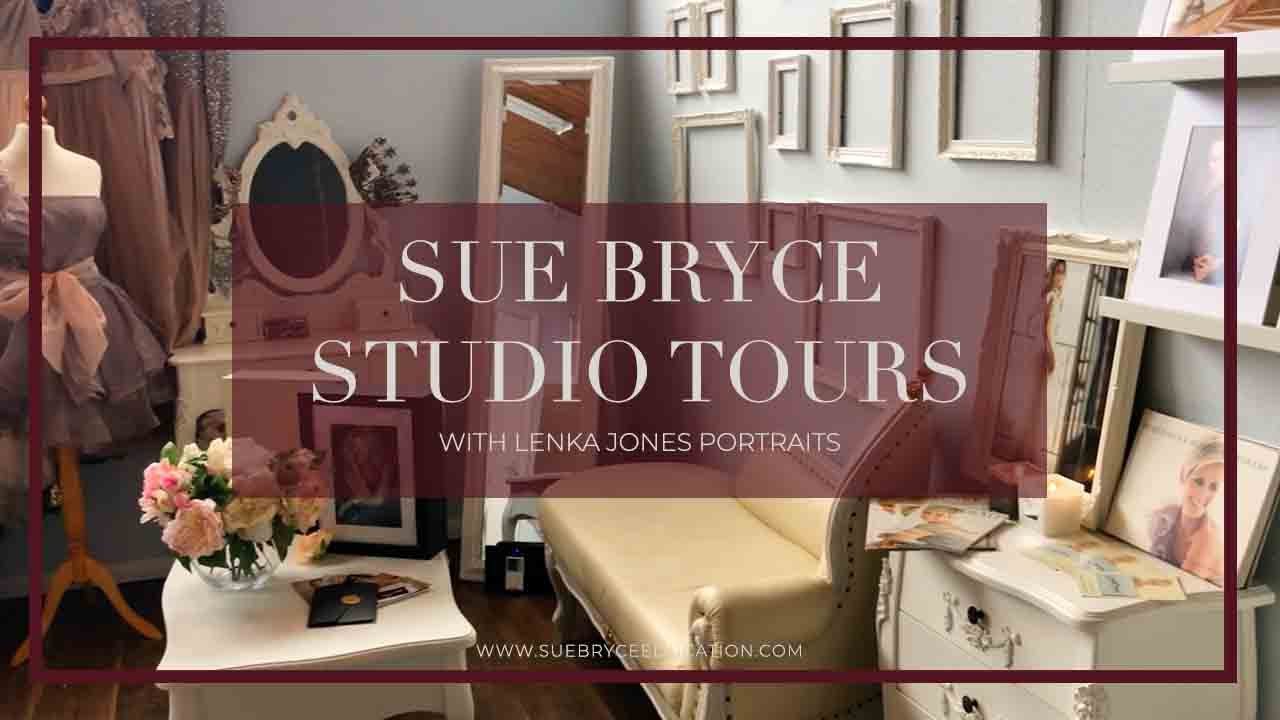
There’s a particular kind of photographer I pay close attention to: the one who built something real in an unlikely place. Not a loft in Manhattan or a converted warehouse in LA, but a wooden hut in a English village surrounded by fields. When I first watched this studio tour from The Portrait System, featuring UK-based portrait photographer Lenka Jones, I wasn’t expecting to come away rethinking how I structure my shooting space and how I talk to clients about money. I was wrong to underestimate it.
Watch the full tutorial on YouTube
I’ve shot commercial work in studios that cost more per day than some photographers make in a month. I’ve also watched talented people undercharge themselves into burnout. What Lenka lays out here, through a combination of studio walkthrough and candid conversation with Sue Bryce, is a framework for building a portrait practice where the physical space, the client experience, and the pricing all reinforce each other. There’s a lot to unpack.
Step 1: Start with your origin story and own it
 Lenka introduces herself as a UK-based portrait photographer
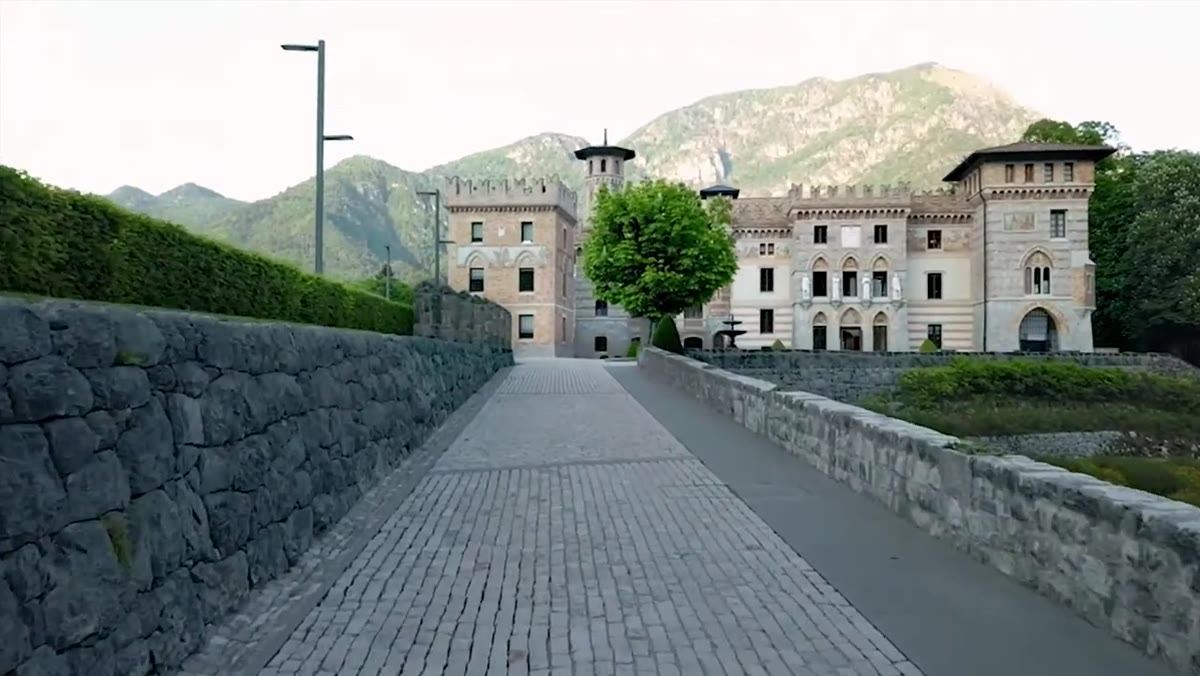
Lenka opens by placing herself clearly: portrait photographer, based in the UK, originally from Slovakia. She traces her start back to photographing models for a casting agency, where her images were well-received in Japan. What strikes me here is how she owns a non-traditional entry point. She didn’t come up through assisting or art school. She picked up a camera because someone needed pictures.
Lenka introduces herself as a UK-based portrait photographer
Lenka opens by placing herself clearly: portrait photographer, based in the UK, originally from Slovakia. She traces her start back to photographing models for a casting agency, where her images were well-received in Japan. What strikes me here is how she owns a non-traditional entry point. She didn’t come up through assisting or art school. She picked up a camera because someone needed pictures.
If you’re building a studio practice, this matters for your marketing. Your origin story is part of what distinguishes you from the photographer two towns over. Write it down, make it specific, and don’t sand off the unusual parts.
Step 2: Design your studio space around the client’s emotional arrival
 Lenka describes the studio interior opening to surprised clients
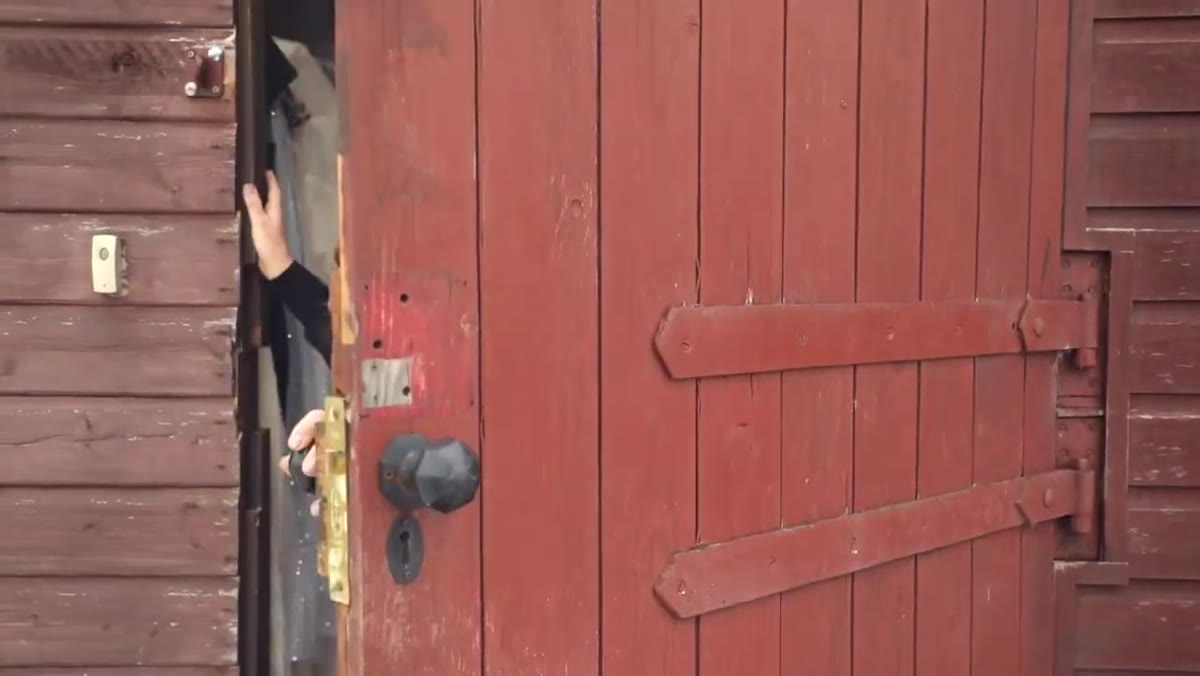
Lenka describes the exterior of her studio as deliberately unimpressive, a wooden hut that gives nothing away. But the moment a client steps inside, the experience flips completely. The interior is designed to create that reveal. On one side, her backdrop setup. On the other, a wall displaying finished client portraits. In the corner, a dressing table where her makeup artist works, surrounded by clothing options.
Lenka describes the studio interior opening to surprised clients
Lenka describes the exterior of her studio as deliberately unimpressive, a wooden hut that gives nothing away. But the moment a client steps inside, the experience flips completely. The interior is designed to create that reveal. On one side, her backdrop setup. On the other, a wall displaying finished client portraits. In the corner, a dressing table where her makeup artist works, surrounded by clothing options.
This is a design principle I’ve started applying in my own space: control the sequence of what a client sees and when they see it. The exterior doesn’t need to sell the work. The interior does. If your studio doubles as a storage space or an equipment graveyard, that first impression is costing you sales before you’ve taken a single frame.
Step 3: Use a reveal wall as a permanent sales tool
 Lenka mentions her reveal wall displaying finished client portraits
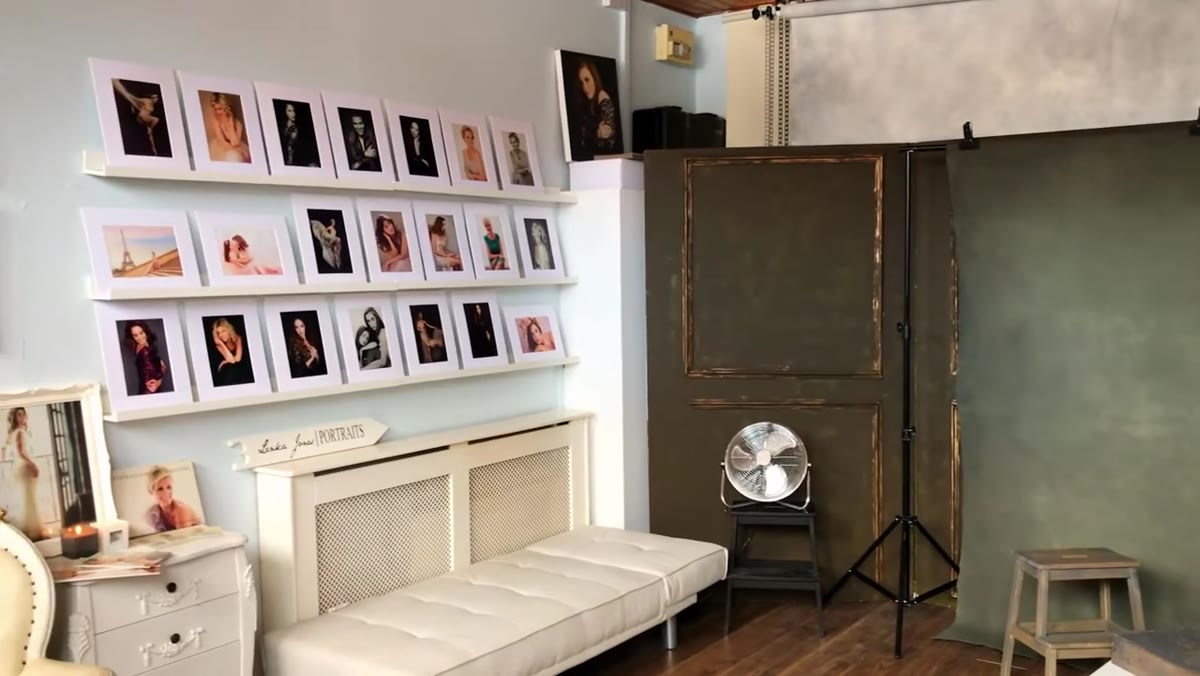
The reveal wall Lenka mentions is not decorative. It’s a closing argument. When a client walks in and sees large, beautifully printed portraits of other real women on the wall, they’re not looking at abstract possibilities. They’re seeing proof. They’re seeing what they could look like, what they could own, what they could hang in their home.
Lenka mentions her reveal wall displaying finished client portraits
The reveal wall Lenka mentions is not decorative. It’s a closing argument. When a client walks in and sees large, beautifully printed portraits of other real women on the wall, they’re not looking at abstract possibilities. They’re seeing proof. They’re seeing what they could look like, what they could own, what they could hang in their home.
In a commercial context I’d call this a showroom. In portrait photography it’s more intimate than that. It’s testimonial without a word being said. If you’re shooting out of a shared space or a rented studio, consider how you can create even a portable version of this. A few well-chosen framed prints in your consultation area will do more work than any brochure.
Step 4: Build a wardrobe and treat it as a production asset
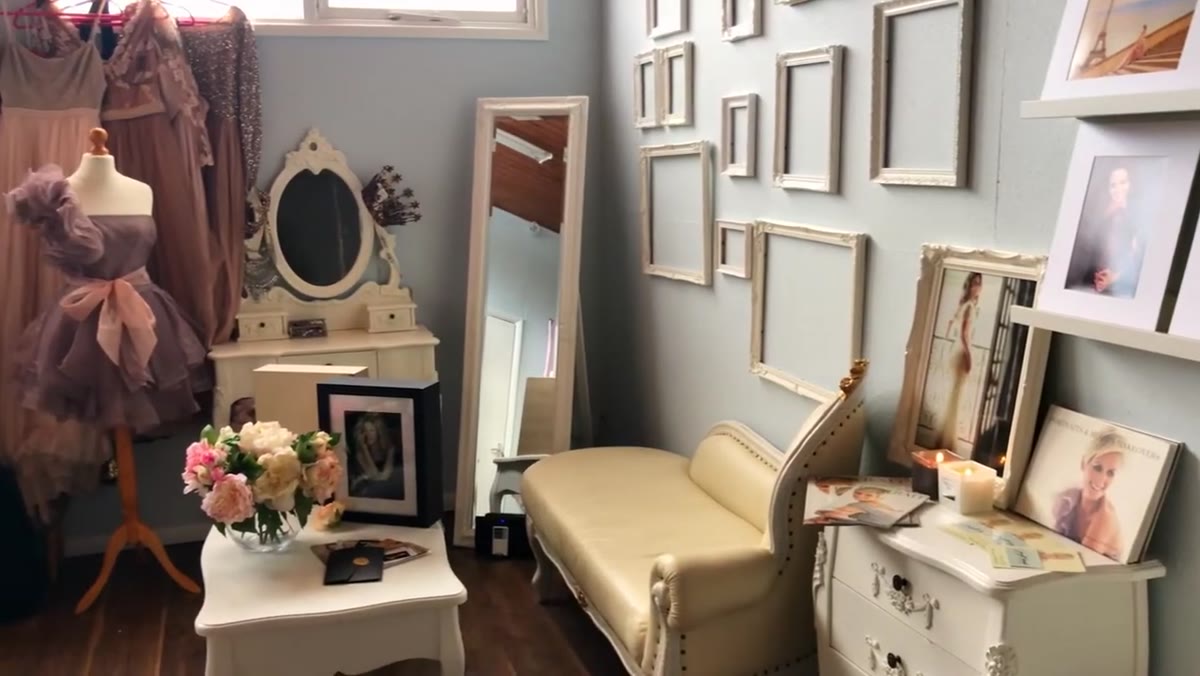 Lenka jokes about having too many clothes in her studio
Lenka admits, with genuine humor, that she has far too many clothes. But that excess is intentional. Having a full wardrobe available in the studio eliminates one of the biggest friction points in portrait sessions: clients showing up in the wrong thing, or nothing that photographs well. When the clothes are there, the shoot can be what it’s supposed to be.
Lenka jokes about having too many clothes in her studio
Lenka admits, with genuine humor, that she has far too many clothes. But that excess is intentional. Having a full wardrobe available in the studio eliminates one of the biggest friction points in portrait sessions: clients showing up in the wrong thing, or nothing that photographs well. When the clothes are there, the shoot can be what it’s supposed to be.
I keep a small wardrobe myself, mostly neutral wraps and a few structured pieces, but Lenka’s approach is more committed. Think of the wardrobe as part of your production budget. The right dress on the right woman produces a different image than whatever she pulled out of her closet that morning.
Step 5: Specialize your subject matter and let it shape your marketing voice
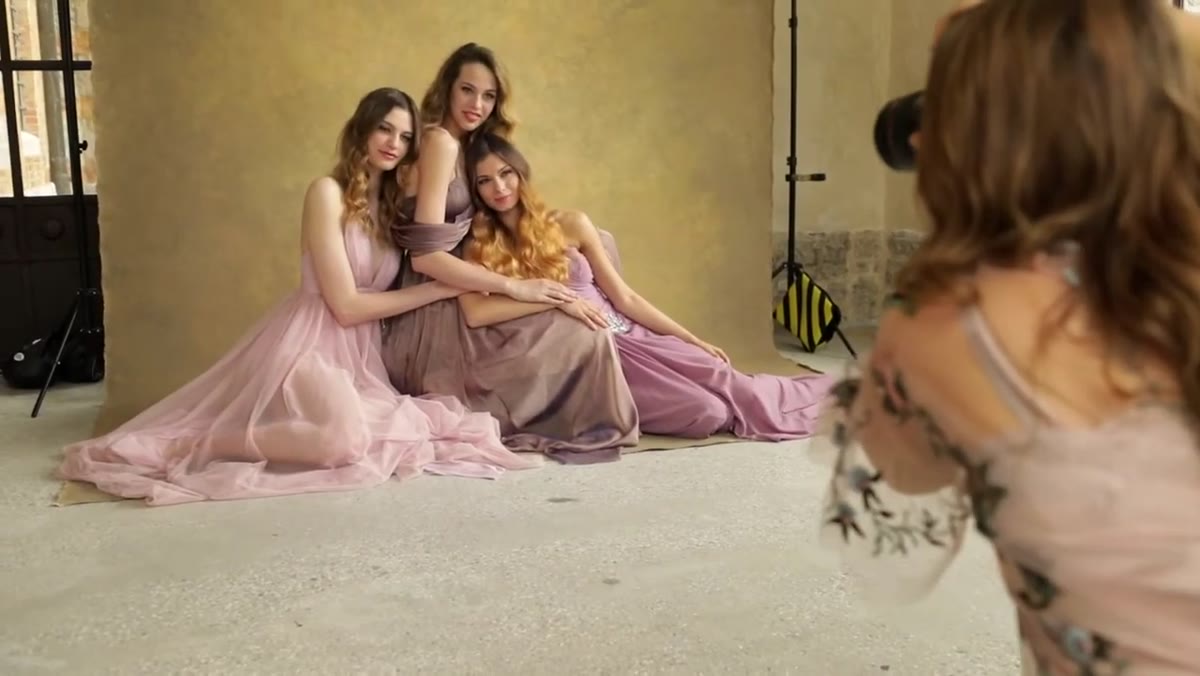 Lenka explains her focus on families, mothers, and generational shoots
Lenka is specific about who she photographs. Families. Mothers and daughters. Generational shoots. This is not accidental positioning. When Sue Bryce visits and sees sisters to photograph, she notes immediately that it’s the kind of session Lenka is drawn to. That alignment between a photographer’s genuine passion and their client work is visible in the final images, and clients feel it.
Lenka explains her focus on families, mothers, and generational shoots
Lenka is specific about who she photographs. Families. Mothers and daughters. Generational shoots. This is not accidental positioning. When Sue Bryce visits and sees sisters to photograph, she notes immediately that it’s the kind of session Lenka is drawn to. That alignment between a photographer’s genuine passion and their client work is visible in the final images, and clients feel it.
Specialty gives you something to say. “I photograph women” is a starting point. “I specialize in generational portrait sessions for mothers and daughters” is a reason someone picks up the phone.
Step 6: Experience your own product before you price it
 Lenka describes paying for her own portrait session as a turning point
This is the step that changed things for Lenka, and honestly it challenged me too when I first heard it. She describes the moment she paid for her own portrait session as the missing piece in valuing her own work. Before that, she was charging wedding rates she felt comfortable with, but couldn’t bring herself to ask the same amount for a portrait session.
Lenka describes paying for her own portrait session as a turning point
This is the step that changed things for Lenka, and honestly it challenged me too when I first heard it. She describes the moment she paid for her own portrait session as the missing piece in valuing her own work. Before that, she was charging wedding rates she felt comfortable with, but couldn’t bring herself to ask the same amount for a portrait session.
Sue Bryce pushes on this directly: why was a portrait worth less than a wedding? Lenka’s answer is honest. She wouldn’t have paid that herself. Until she did. Once she went through the experience as a client, paid real money for it, received the images, and felt what her own clients feel, the pricing conversation became different. I’d say the same thing a different way: if you’ve never paid a premium for someone else’s craft, you haven’t fully understood why your client should pay a premium for yours.
Step 7: Stop qualifying your client by their postcode
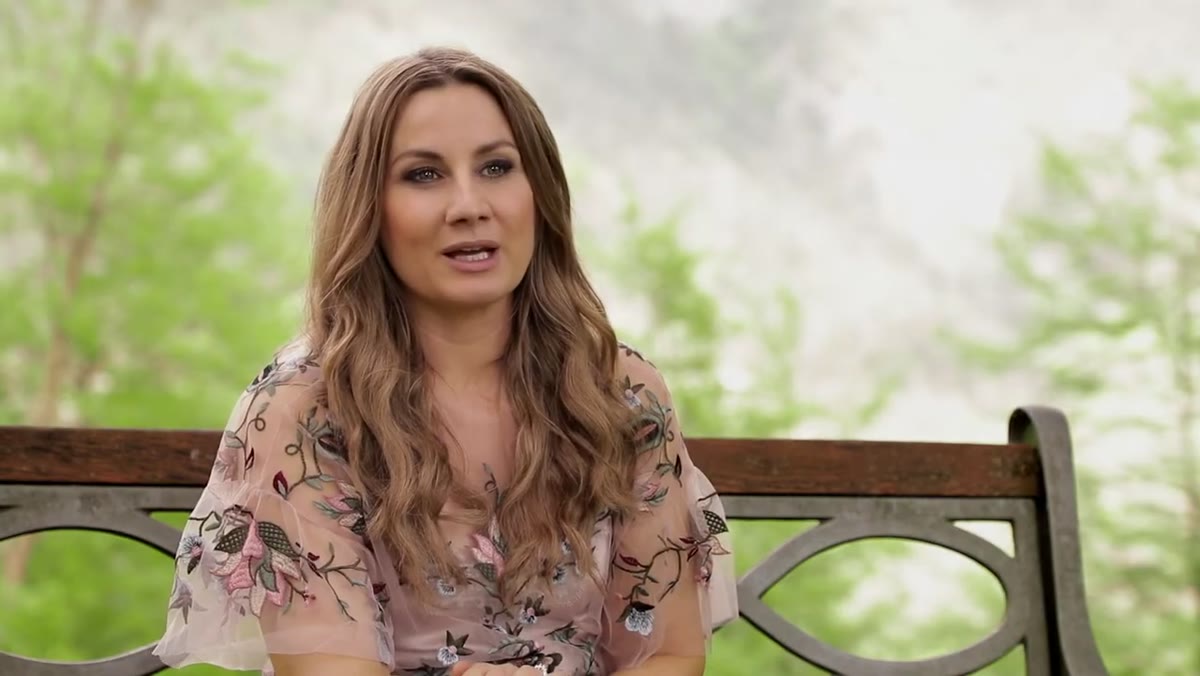 Lenka pushes back on the idea of targeting wealthy areas
Lenka makes a point that I think gets ignored too often in the studio photography conversation. She rejects the idea that she needs to be located near wealthy clients to charge well. Her view is direct: clients who value photography exist everywhere. They come from small towns and large ones. Chasing people with money is a different thing than chasing people who value what you do.
Lenka pushes back on the idea of targeting wealthy areas
Lenka makes a point that I think gets ignored too often in the studio photography conversation. She rejects the idea that she needs to be located near wealthy clients to charge well. Her view is direct: clients who value photography exist everywhere. They come from small towns and large ones. Chasing people with money is a different thing than chasing people who value what you do.
This matters practically. If you’ve been holding off on building a premium portrait practice because your market “isn’t right for it,” Lenka’s trajectory is evidence worth examining.
From My Own Experience: The Pricing Belief Problem Is Structural
I’ve watched photographers price themselves low for years because they haven’t resolved a single internal question: do I believe this is worth it? Not whether clients will pay it. Whether they believe it themselves. Lenka’s breakthrough came from paying for the service she was offering, from standing on the other side of the transaction.
In my own work I keep a lighting journal where I sketch every setup after each shoot. It’s a habit that forces me to slow down and actually see what I built. I’d suggest something similar for pricing: after every sale, write down what you charged, what you delivered, and whether you’d do it again at that number. Patterns emerge fast.
The single most transferable lesson from this tour is not about backdrops or wardrobe or the layout of a studio. It’s that the physical space, the client experience, and your pricing have to tell the same story. Lenka’s studio looks like nothing from the outside. Inside, it says clearly: this is worth your money and your afternoon and your trust. Everything in the room supports that claim.
Watch the full tutorial on YouTube
Comments (3)
The before and after really sells it. Incredible difference.
This is going in my reference folder. Incredibly useful.
Well explained. I think my audience would really benefit from this — mind if I link to it?
Leave a Comment