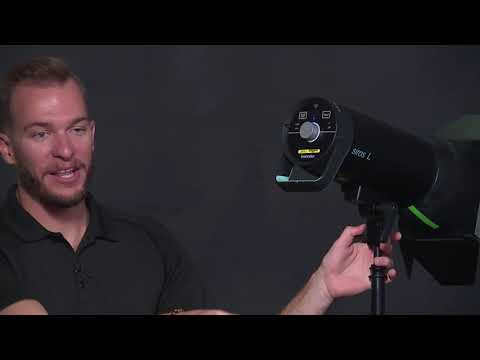
How Strobes Actually Freeze Motion (And Why Your Shutter Speed Is Not the Answer)

How Strobes Actually Freeze Motion (And Why Your Shutter Speed Is Not the Answer)

There is a moment on almost every athletic shoot where the ambient light humiliates you. You are in a gym, or a studio with modest overhead LEDs, and your subject is moving fast. You crank the ISO, you open the aperture, and your camera still tells you the shutter speed is somewhere around 1/60. That is not a photography problem. That is a physics problem, and the only way out of it is understanding what actually stops motion in a photograph.
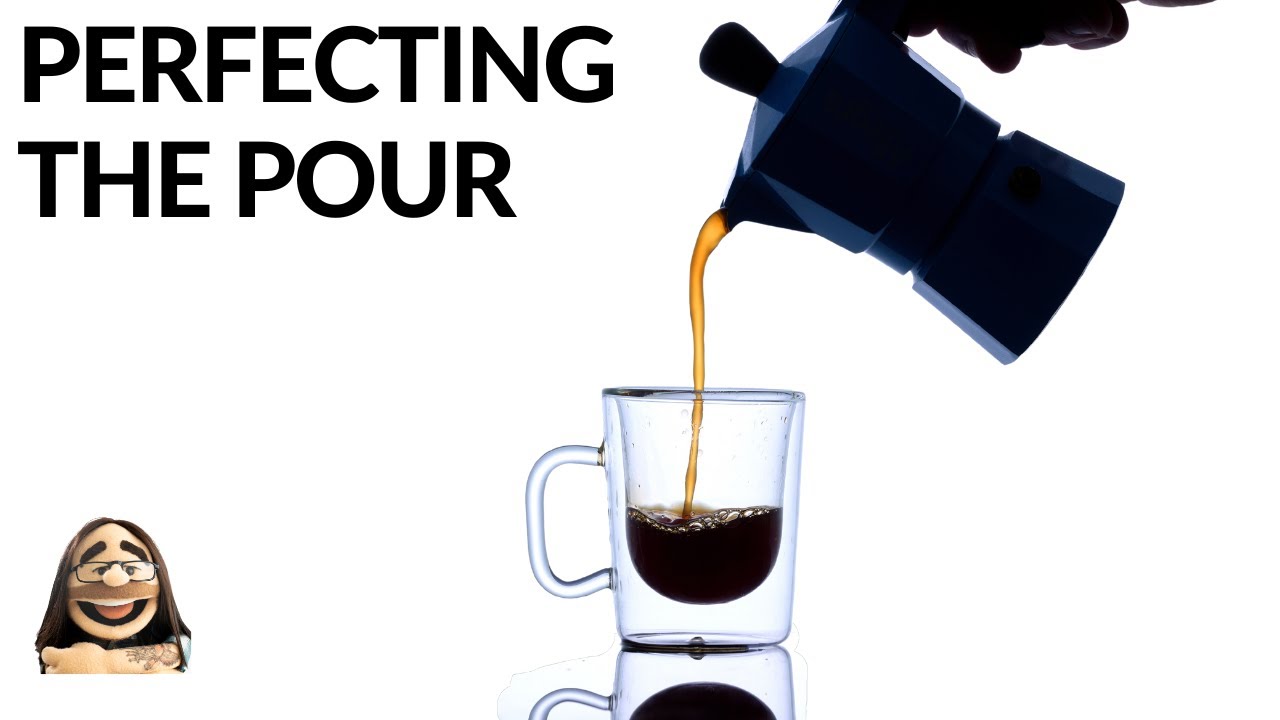
Flash Duration, Not Shutter Speed: How to Freeze a Liquid Pour in the Studio

Flash Duration, Not Shutter Speed: How to Freeze a Liquid Pour in the Studio

Every few months a client sends me a brief with a liquid shot in it. Coffee pouring into a cup. Whiskey splashing over ice. A serum drop hitting a surface. And every time, I watch junior photographers on set reach for the shutter speed dial as if that’s what’s going to save them. It isn’t. In studio conditions with flash, your shutter speed is nearly irrelevant to motion blur. What actually freezes the liquid is the duration of the flash itself, and if you don’t understand that distinction, you’ll keep getting soft, ghosted pours no matter how fast you shoot.