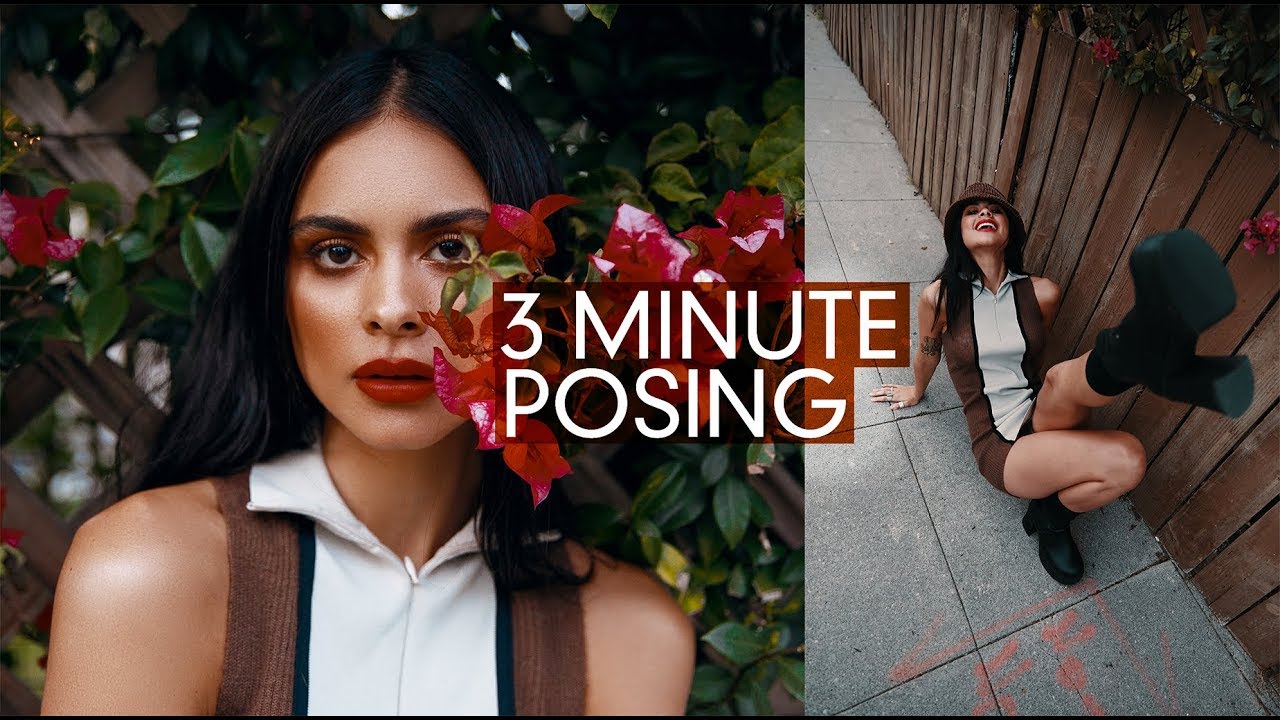
How to Direct a Model When You Only Have 3 Minutes (And a Wall)

How to Direct a Model When You Only Have 3 Minutes (And a Wall)

Most of my work happens in a controlled environment. I know where every light is before the model walks in. I have tape on the floor marking positions, a lighting diagram sketched the night before, and a shot list the client approved two weeks ago. That structure is a professional asset, and I’d defend it to anyone. But it also creates a blind spot: the ability to think fast, move fast, and direct a model without a plan to lean on.


Why Your Subjects Look Stiff: The Posing Problem That Starts Before You Touch the Camera

Why Your Subjects Look Stiff: The Posing Problem That Starts Before You Touch the Camera

The Shot That Almost Wasted a Full Studio Day I had a corporate client fly in from New York for a half-day executive portrait session. The lighting was dialed in before they arrived: a 48-inch Octa as the key at roughly 45 degrees, a strip box camera-left for edge separation, a kicker behind the subject at about 1/8 power. Ratios were solid. The set looked great on the tethered monitor.

Stop Losing Shape: 6 Posing Fixes That Changed How I Direct Models in the Studio

Stop Losing Shape: 6 Posing Fixes That Changed How I Direct Models in the Studio

Posing is the part of studio photography nobody wants to admit they’re bad at. Lighting I can control with a meter and a diagram. Posing lives in real time, under pressure, with a model waiting and a client watching. For years I defaulted to a handful of safe positions and called it a day. The problem is “safe” posing produces flat images, and flat images don’t book repeat clients. In this Jessica Kobeissi tutorial on her YouTube channel, she walks through six of the most common posing mistakes photographers make when directing models, and more importantly, she demonstrates the exact corrections live, side by side.