One Light, Done Right: How a Single Strobe Can Outperform a Five-Light Setup

One Light, Done Right: How a Single Strobe Can Outperform a Five-Light Setup

The Overcomplicated Studio Is Usually a Confidence Problem Early in my career I watched a photographer I deeply respected spend forty-five minutes adjusting a six-light setup for a headshot. He kept adding lights to fix problems the previous lights had created. A rim light to separate the subject from the background. A hair light to compensate for the rim light killing the shadow detail. A kicker on the opposite side because now the image felt unbalanced.

One Light Is Enough: How a Single Strobe Teaches You Everything You've Been Ignoring

One Light Is Enough: How a Single Strobe Teaches You Everything You've Been Ignoring

The Most Expensive Mistake I See in Studios Every time a photographer tells me they need a third or fourth light to fix a problem, I make them turn off everything except one strobe. Not as a punishment. As a diagnosis. Most lighting problems are not problems of quantity. They are problems of understanding. When you pile on fill lights, hair lights, and background lights before you understand what your key light is actually doing, you are decorating a problem rather than solving it.

One Light, Done Right: How a Single Strobe Can Outwork a Five-Head Setup

One Light, Done Right: How a Single Strobe Can Outwork a Five-Head Setup

I used to own eleven lights. I counted them once while reorganizing my studio on a slow Tuesday, and the number genuinely embarrassed me. Not because eleven is too many, but because I could trace the purchase of at least four of them to insecurity. Some shoot went sideways, and my instinct was to buy another head, another fill, another hair light, as if more gear would paper over whatever I didn’t understand yet.

Tony Northrup Shows You Only Need ONE Light for Pro Portraits

Tony Northrup Shows You Only Need ONE Light for Pro Portraits

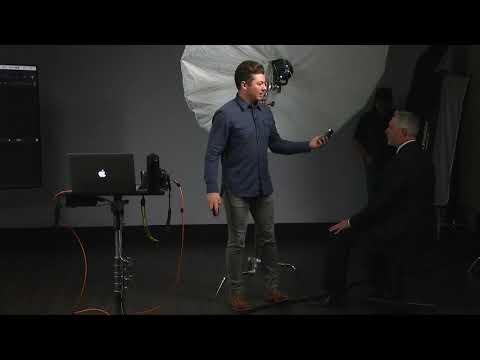
One of the most common barriers I hear from photographers moving into portrait work is the cost of lighting equipment. They see studio setups with three or four strobes, softboxes, reflectors, and grids, and assume that’s the minimum for professional results. Tony Northrup’s latest video puts that assumption to rest, and he does it with a flash that costs less than most camera straps. Northrup sets up a single Neewer Flash Q6 — a compact, affordable unit — and proceeds to create portrait after portrait that would hold up in any professional portfolio.