You Don't Need to Memorize Ratios to Light Well — Here's What Actually Works

You Don't Need to Memorize Ratios to Light Well — Here's What Actually Works

There’s a label maker on my workbench right now, next to a roll of masking tape I use to tag every light in my studio. I’ve always been the kind of photographer who wants to know exactly what everything is doing and why. So when I first heard a working photographer say out loud that he doesn’t consider himself a “technical photographer,” my instinct was to push back. Then I actually listened to what he meant, and it reframed something I’d been overcomplicating for years.

10 Studio Accessories Every Professional Photographer Actually Needs (And Why I Reach for Each One)

10 Studio Accessories Every Professional Photographer Actually Needs (And Why I Reach for Each One)

There is a category of photography problem that has nothing to do with lenses or lighting ratios. It is the shoot that grinds to a halt because you have nothing to hold a background flat, or the product that collects fingerprints between every frame, or the light that needs to come in at an angle no standard stand can reach. These are logistics problems, and they will eat a shoot alive.

Why Your Softbox Is Lying to You (And What to Use Instead)

Why Your Softbox Is Lying to You (And What to Use Instead)

Every modifier in my studio has a strip of masking tape on it with a label. Not a cute nickname. A descriptor: “36-inch octa,” “5-degree grid,” “48x36 strip.” I started doing this years ago because I got tired of grabbing the wrong tool in the middle of a tethered shoot while a client sat behind my monitor. The labeling habit sounds obsessive until the day it saves you from making a $4,000-an-hour mistake.

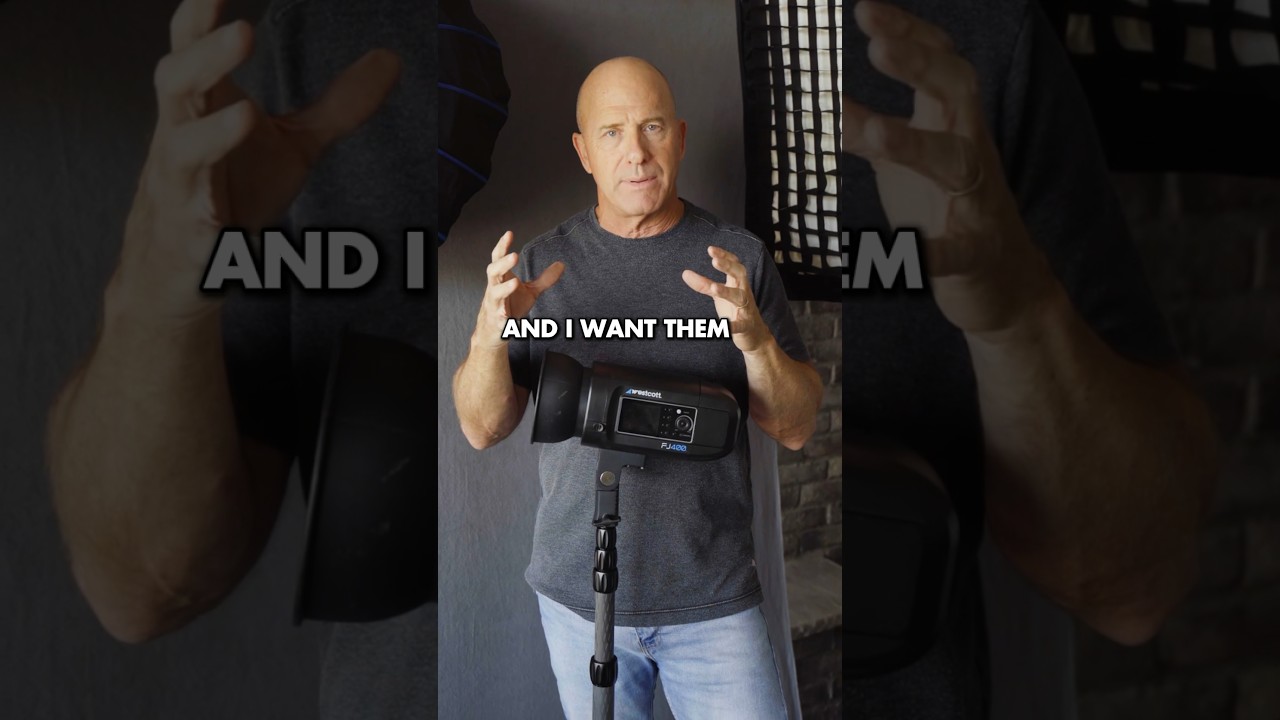
How Joel Grimes Builds a Strobe System That Actually Works in a Working Studio

How Joel Grimes Builds a Strobe System That Actually Works in a Working Studio

Client calls on a Tuesday. Shoot is Friday. Location is a rooftop in downtown Los Angeles, full midday sun, and they want dramatic, clean portraits with a shallow depth of field. That’s the exact situation where a weak or poorly chosen strobe system stops being an inconvenience and starts costing you the job. I’ve been burned before by gear that looked fine in the studio and fell apart the moment I took it outside, and it taught me to treat strobe selection like I treat any other part of my workflow: with a clear, repeatable checklist.