The Five Essential Portrait Lighting Patterns Every Studio Photographer Must Master

The Five Essential Portrait Lighting Patterns Every Studio Photographer Must Master

The Five Essential Portrait Lighting Patterns Every Studio Photographer Must Master I’ve spent twenty years perfecting portrait lighting, and I can tell you this with absolute certainty: most photographers overcomplicate it. They chase exotic modifiers and chase trends when they should be mastering five fundamental patterns that solve 90% of your portrait challenges. These aren’t artistic suggestions—they’re structural foundations. Learn them precisely, and you’ll build every other lighting setup from here forward.

Rim Lighting: The Technique That Separates Amateur From Professional

Rim Lighting: The Technique That Separates Amateur From Professional

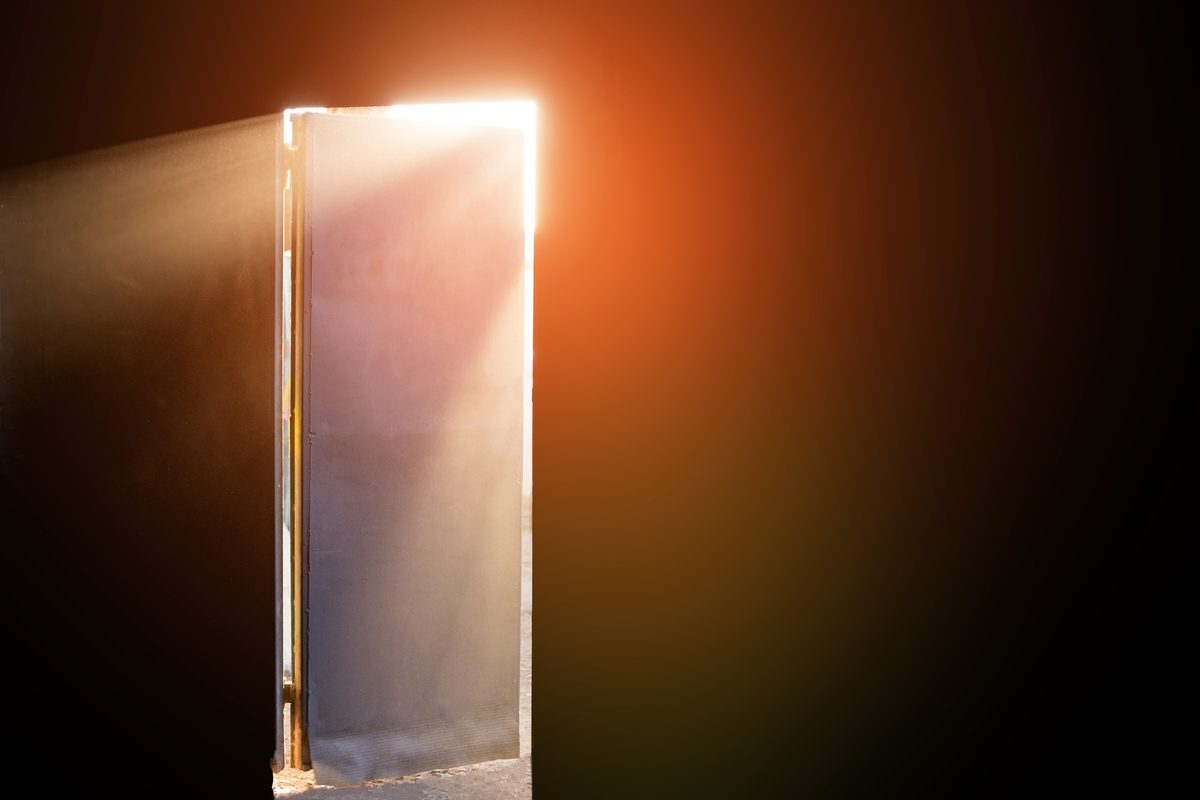
What Rim Lighting Actually Does Rim lighting isn’t decorative. It’s functional. I use it to carve subjects away from backgrounds—to create dimensionality that flat, frontal lighting simply cannot achieve. When executed correctly, a rim light creates a luminous edge that defines the subject’s outline and adds perceived depth to the image. This is especially critical in portrait and product photography where separation is everything. The technique involves placing a light source behind and to the side of your subject, angled so it catches the edge of their form without spilling light directly into the lens.

Why the Spaceballs Sequel Matters to Studio Portrait Photographers

Why the Spaceballs Sequel Matters to Studio Portrait Photographers

I’ve been thinking a lot about cinematic lighting consistency lately, and the recent announcement about the Spaceballs sequel dropping in April 2027 crystallizes something important for studio photographers: how do you photograph familiar faces after forty years and maintain visual coherence? The Challenge of Lighting Returning Cast Members Here’s what fascinates me about this project. When Mel Brooks, Rick Moranis, Bill Pullman, and the rest of that original ensemble return to their iconic roles, the cinematographer faces a genuine technical puzzle.

What Apple's Mac Pro Discontinuation Means for Your Studio Workflow

What Apple's Mac Pro Discontinuation Means for Your Studio Workflow

The End of an Era Apple has quietly discontinued the Mac Pro, and I have to be honest—it’s a significant shift worth paying attention to if you’re running a serious photography studio. The company has removed the tower from its lineup entirely, leaving the Mac Studio as the new flagship desktop option. After decades of offering a modular, expandable powerhouse, Apple is essentially saying: this is as big as we’re going.

Low Key Lighting: The Master's Guide to Shadow and Control

Low Key Lighting: The Master's Guide to Shadow and Control

Low Key Lighting: The Master’s Guide to Shadow and Control Low key lighting isn’t moody for mood’s sake—it’s a disciplined approach to controlling what your viewer sees and, more importantly, what they don’t. I’ve spent twenty years refining this technique, and I’m going to give you the exact framework I use on every low key shoot. What Low Key Actually Means Let me be direct: low key doesn’t mean dark. It means a ratio between highlights and shadows of at least 4:1, typically ranging to 8:1 or higher.

Flash Photography: The Recipe for Consistent Studio Lighting

Flash Photography: The Recipe for Consistent Studio Lighting

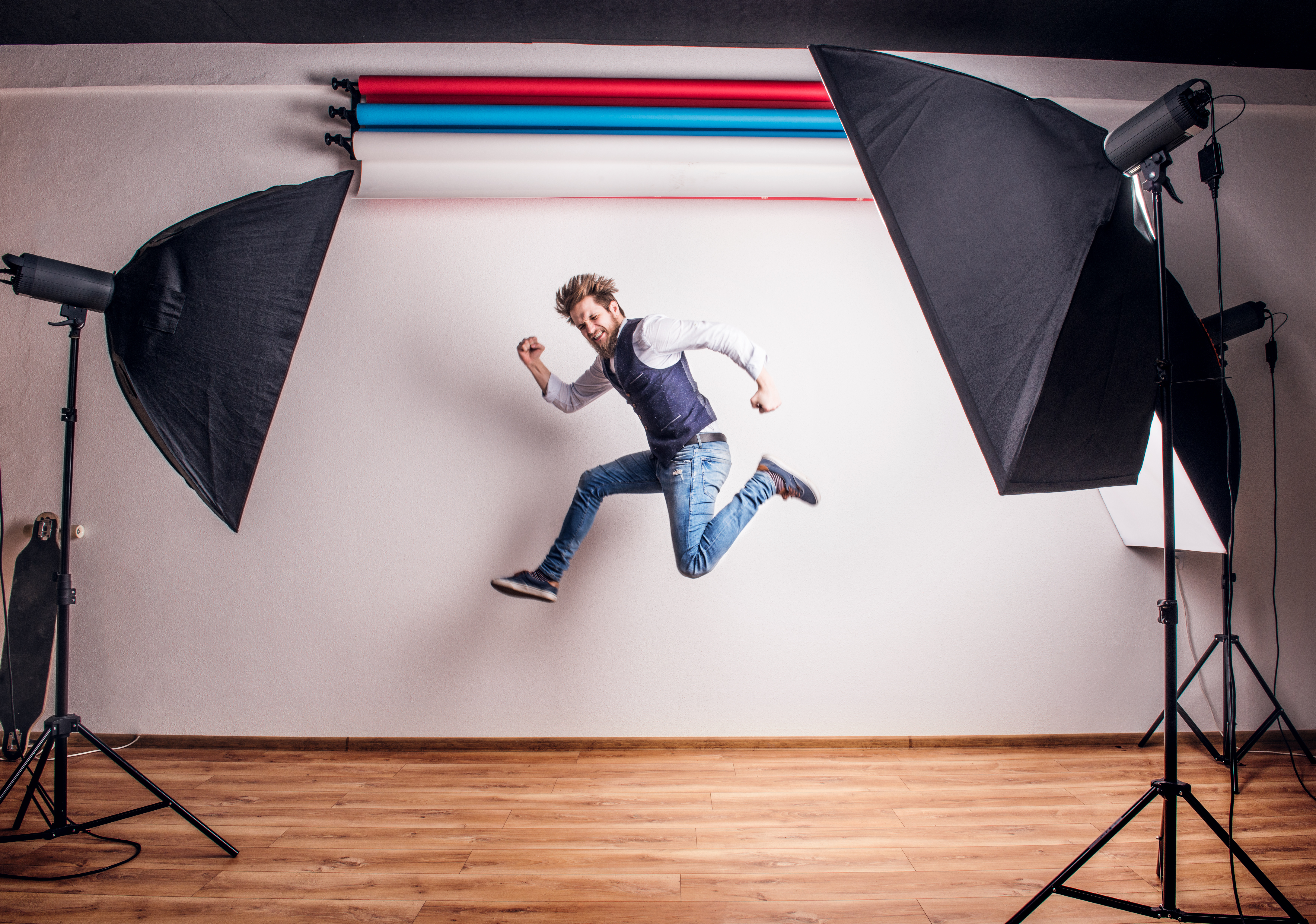
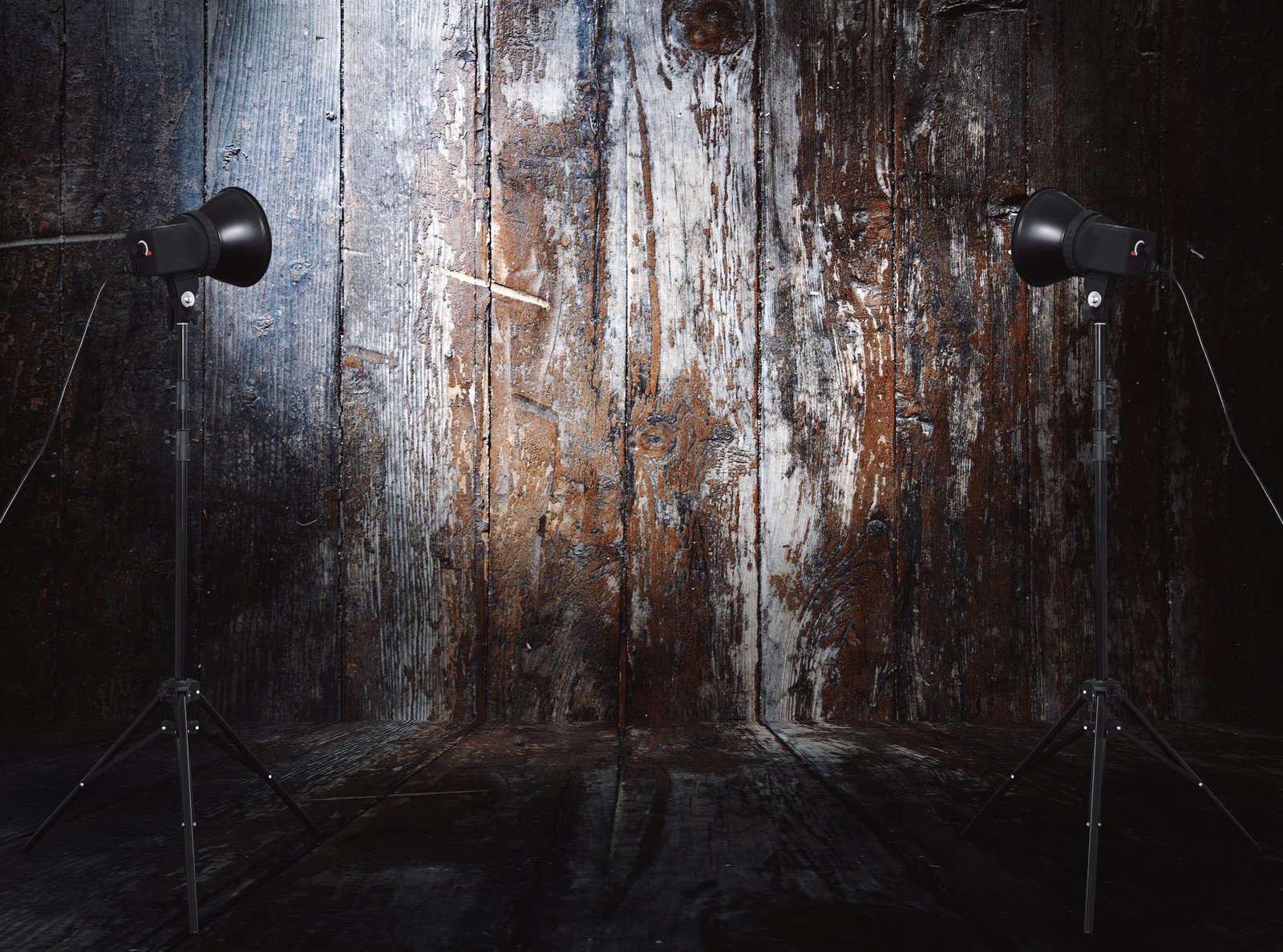
Flash Photography: The Recipe for Consistent Studio Lighting I’ve watched too many photographers treat flash like an afterthought—a last resort when natural light fails. That’s backwards. Flash is the most controllable light source available, and when you understand it properly, you’ll produce more consistent results than you ever will chasing window light. Understanding Flash Fundamentals Flash photography works like a precise recipe: get one ingredient wrong, and the entire dish suffers.