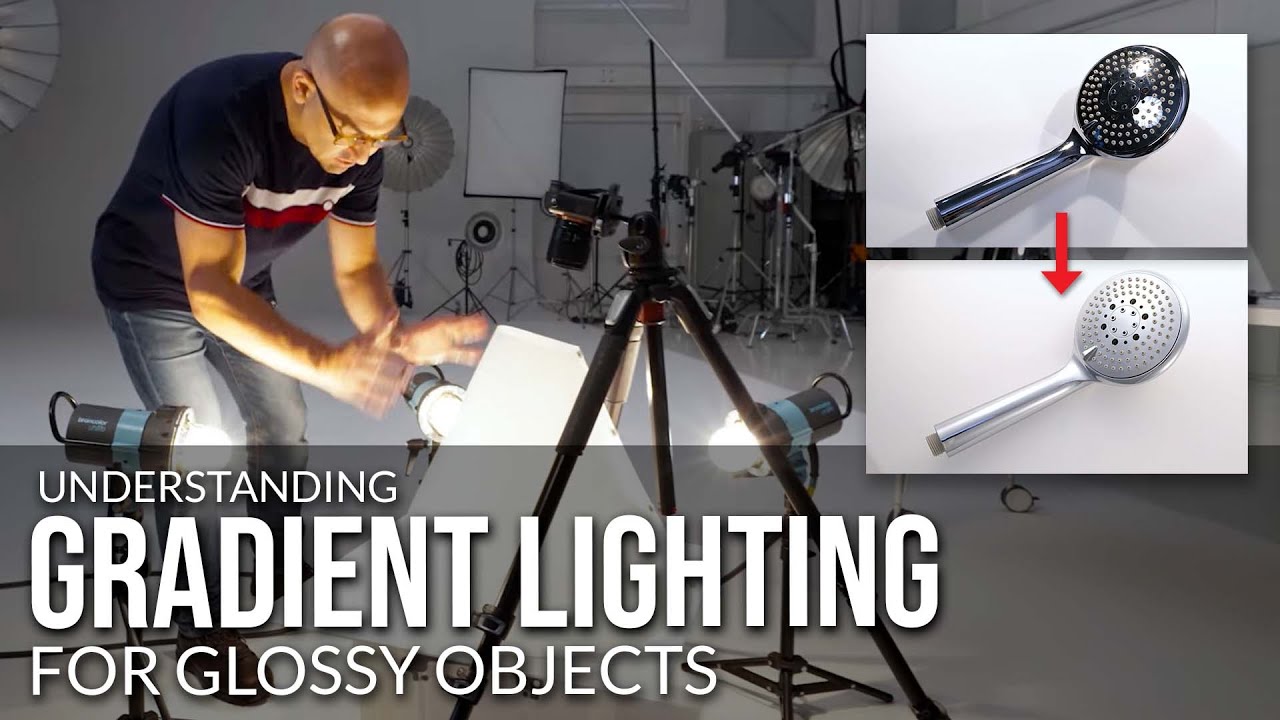
Why Your Glossy Product Shots Look Terrible (And How Gradient Lighting Fixes It)

Why Your Glossy Product Shots Look Terrible (And How Gradient Lighting Fixes It)

Every product photographer has a drawer of shame. Mine has a set of contact sheets from an early commercial shoot - a chrome espresso machine, lit beautifully by every standard I knew at the time, and completely ruined by harsh reflections, dark patches, and a softbox stripe that cut across the body of the product like a fault line. I knew the exposure was right. I knew the composition was solid.
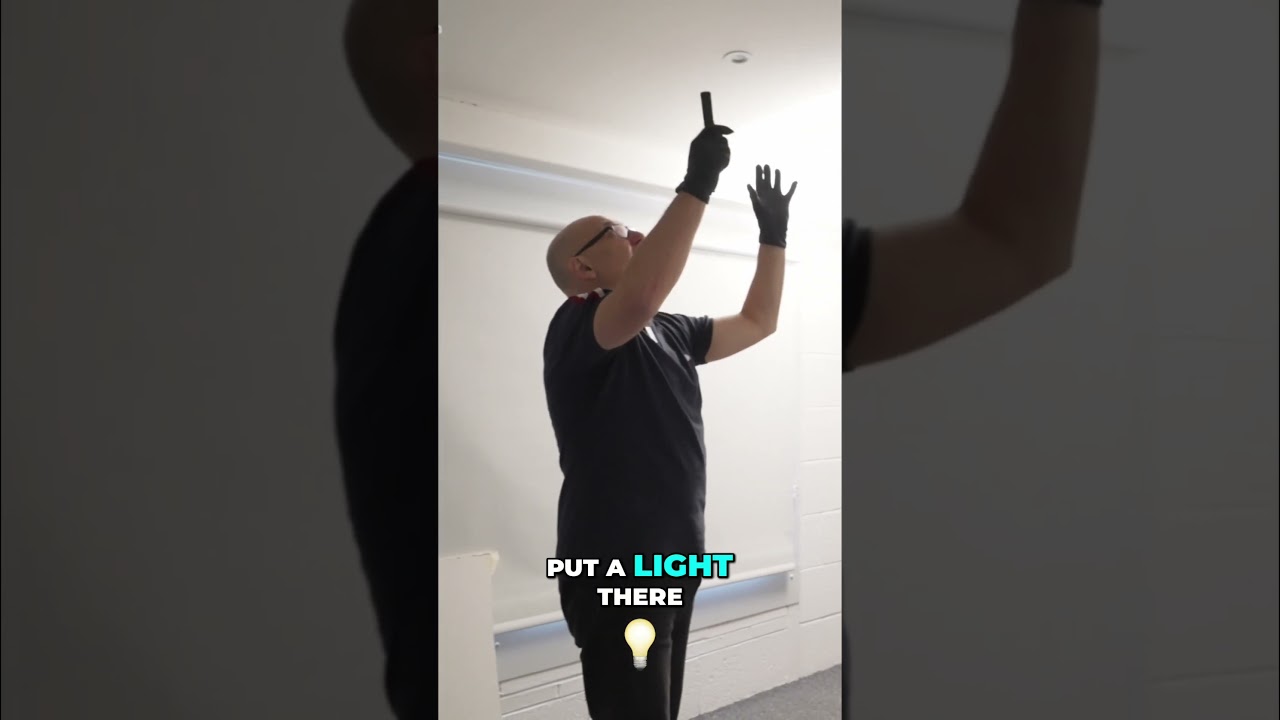

The Laser Trick That Changed How I Position Lights for Reflective Product Shots

The Laser Trick That Changed How I Position Lights for Reflective Product Shots

There’s a specific kind of frustration that comes from lighting a product with a glossy surface. You dial in what looks like a clean, controlled setup, take the shot, and the whole face of the product is a blown-out white rectangle. The name is gone. The color is gone. What you have is essentially a very expensive photograph of a reflection. I’ve been there more times than I want to admit, and it took me a long time to develop a reliable system for predicting where that reflection would land before I ever fired a strobe.

Reading Light in Hostile Territory: What Street Photography Taught Me About Seeing

Reading Light in Hostile Territory: What Street Photography Taught Me About Seeing

Most of my working life happens inside four walls with light I’ve placed myself. I know exactly where every photon is coming from. Street photography is the opposite of that, and for years I kept a comfortable distance from it. But lately I’ve been thinking more seriously about how I observe people in uncontrolled environments, partly because it feeds my editorial eye, and partly because the compositional instincts you build on the street are impossible to develop any other way.