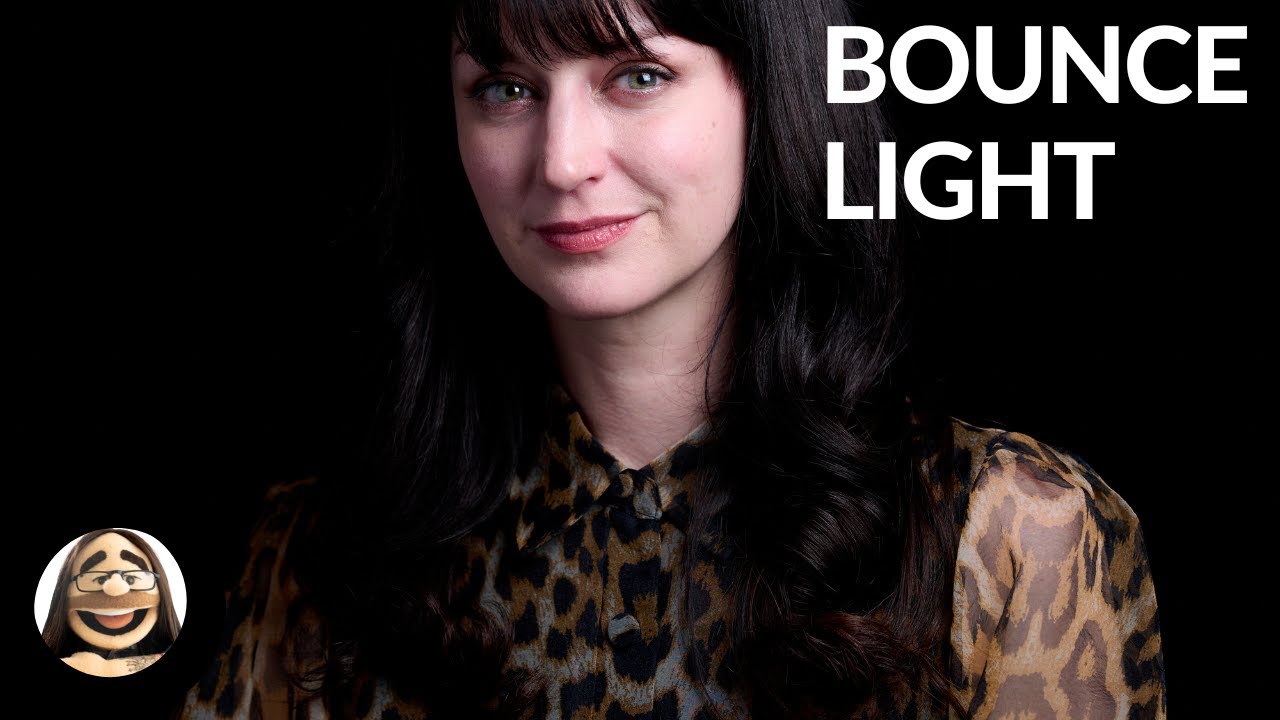
How to Actually Use a Reflector: The Angle, the Distance, and Why Most People Get It Wrong

How to Actually Use a Reflector: The Angle, the Distance, and Why Most People Get It Wrong

I keep a lighting journal. Every setup I shoot gets a quick sketch with notes on distances, ratios, and what I’d change next time. Flipping back through those pages, I can trace exactly when certain concepts clicked for me. Reflector placement is one that took longer than it should have. I spent years treating a reflector like a prop you hold near the subject and hope for the best. The results were inconsistent, and I couldn’t explain why.
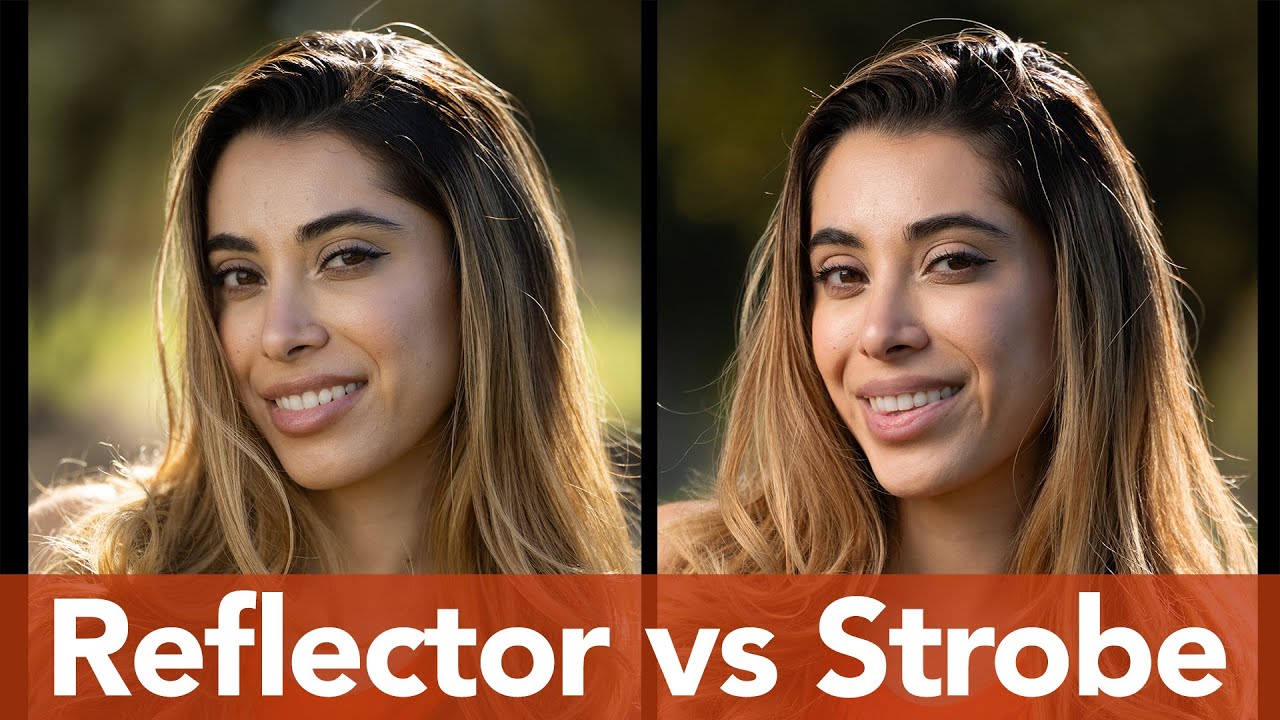
Reflector vs. Strobe for Outdoor Portraits: What a $26 Piece of Fabric Actually Teaches You About Light

Reflector vs. Strobe for Outdoor Portraits: What a $26 Piece of Fabric Actually Teaches You About Light

Every few months I end up in the same conversation with a newer photographer who’s convinced they need a full strobe kit before they can shoot anything worth showing a client. I used to think the same thing. Then I started keeping a lighting journal, sketching every setup from every shoot, and I noticed something embarrassing: some of my cleanest portrait light came from sessions where I had almost nothing with me.

How to Use a Reflector for Natural Light Portraits

How to Use a Reflector for Natural Light Portraits

A reflector is the simplest and most cost-effective lighting tool you can own. It adds no new light to a scene. Instead, it redirects existing light, filling shadows, adding catch lights, and shaping the illumination on your subject. For natural light portrait photographers, a reflector often makes the difference between a flat snapshot and a polished portrait. How Reflectors Work When light hits a reflective surface, it bounces back. The angle of incidence equals the angle of reflection.