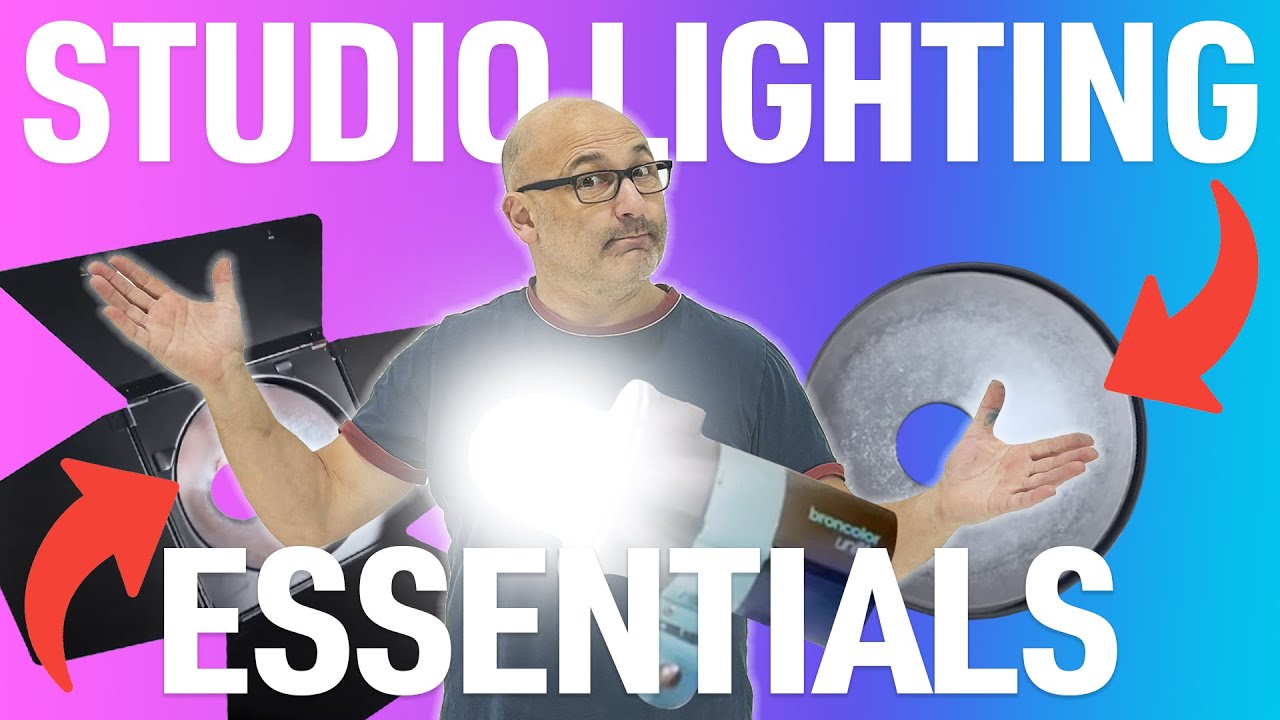
From Bare Bulb to Focused Beam: Understanding Standard Reflectors and What They Actually Do to Your Light

From Bare Bulb to Focused Beam: Understanding Standard Reflectors and What They Actually Do to Your Light

Every modifier conversation I have with other photographers eventually circles back to the same question: why does my light feel flat and directionless? For years I watched photographers drop money on softboxes and parabolic reflectors before they understood what the bare bulb underneath was even doing. That gap in foundational knowledge costs you real money and real shoots. I still sketch every new setup in my lighting journal before I fire a single test frame, and the thing I write first, every time, is what the light is doing before any modifier touches it.
How Reflectors Actually Work: A Studio Photographer's Breakdown of Light Control

How Reflectors Actually Work: A Studio Photographer's Breakdown of Light Control

Every time I take on a new commercial client, I run into the same quiet problem: the difference between a polished result and a mediocre one often comes down to fill light. Not the key, not the background, not even the modifier on my main source. The fill. Reflectors are the tool most photographers grab without thinking, bounce something back at the subject, and call it done. That’s a mistake that costs you dimension, costs you skin texture, and costs you that sense of depth that separates a editorial-quality image from a decent snapshot.

The Reflector: Your Studio's Secret Weapon for Light Control

The Reflector: Your Studio's Secret Weapon for Light Control

The Reflector Deserves Better Respect I’ve spent enough time in studios and on location shoots to know that photographers often overlook their most versatile tool. The reflector sits in the corner of your kit bag, stuffed between your light stands and diffusers, waiting to solve problems you didn’t realize you had. And here’s the truth: it’s not overrated—it’s underutilized. Light is the fundamental ingredient of photography. Without it, we have nothing.

Light Modifiers: The Essential Recipe for Professional Studio Portraits

Light Modifiers: The Essential Recipe for Professional Studio Portraits

Light Modifiers: The Essential Recipe for Professional Studio Portraits I’ve spent twenty years in studio lighting, and I can tell you this with absolute certainty: your modifier matters more than your light source. I’ve produced identical results with a $300 speedlight and a $3,000 monolight—the difference was always the modifier. Yet photographers obsess over wattage while ignoring the tools that actually shape light. Think of modifiers like cooking equipment. A powerful oven is useless without proper pans.

Light Modifiers: The Essential Grammar of Studio Lighting

Light Modifiers: The Essential Grammar of Studio Lighting

Light Modifiers: The Essential Grammar of Studio Lighting I’ve watched photographers spend thousands on strobes, then wonder why their light looks harsh and unflattering. The problem isn’t the flash—it’s that they’re using the wrong modifier, or worse, none at all. A light modifier is as fundamental to photography as grammar is to writing. Get it wrong, and even your best composition falls apart. After twenty years in studio work, I’ve learned that modifiers aren’t optional accessories.

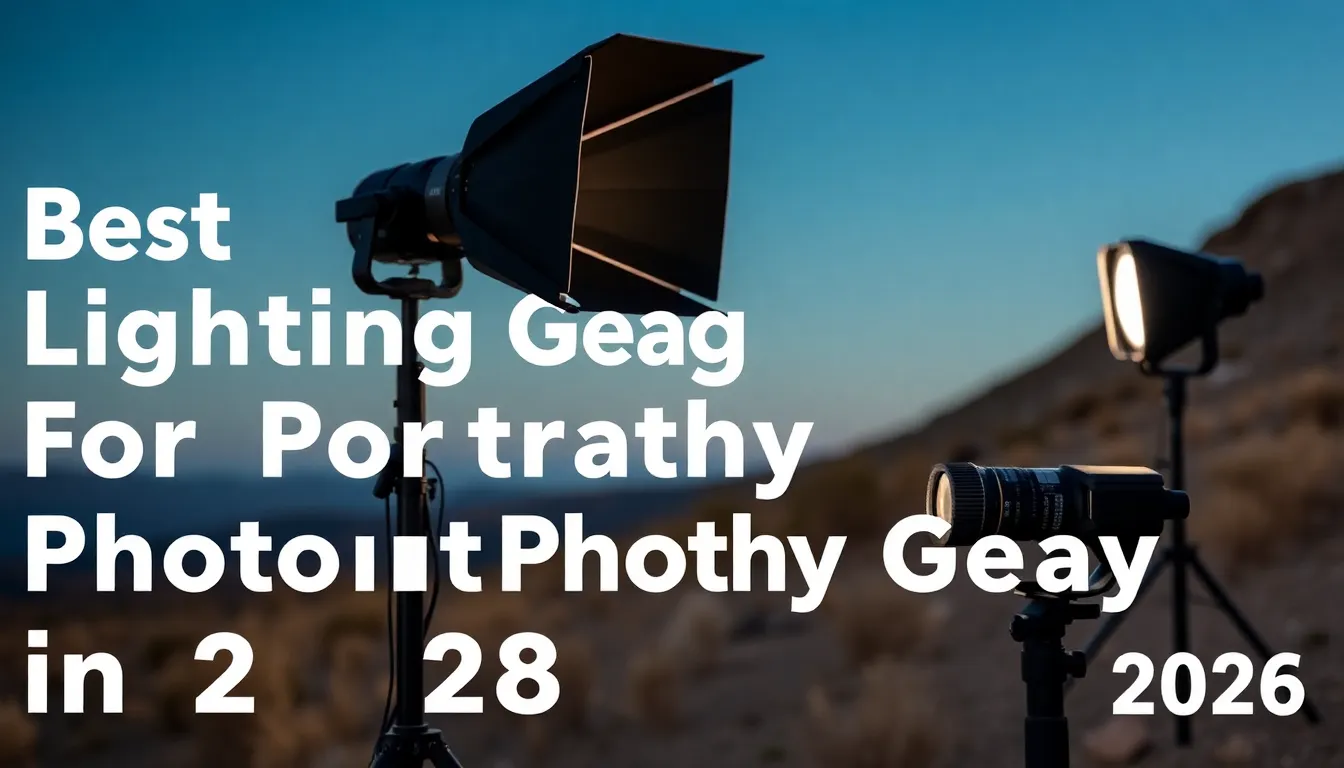
Best Lighting Gear for Portrait Photography in 2026

Best Lighting Gear for Portrait Photography in 2026

Best Lighting Gear for Portrait Photography in 2026 I’ve been shooting portraits for twenty years, and I can tell you this with absolute certainty: your lighting setup determines everything. The lens matters. The camera matters. But lighting? Lighting is the difference between a snapshot and a portrait worth framing. The problem is that portrait photographers face a choice: go with continuous light for its simplicity and what-you-see-is-what-you-get predictability, or embrace flash for its power and versatility.