How Black Flags Carve Shadow Into a Portrait (And Why I Use Them on Almost Every Studio Shot)

How Black Flags Carve Shadow Into a Portrait (And Why I Use Them on Almost Every Studio Shot)

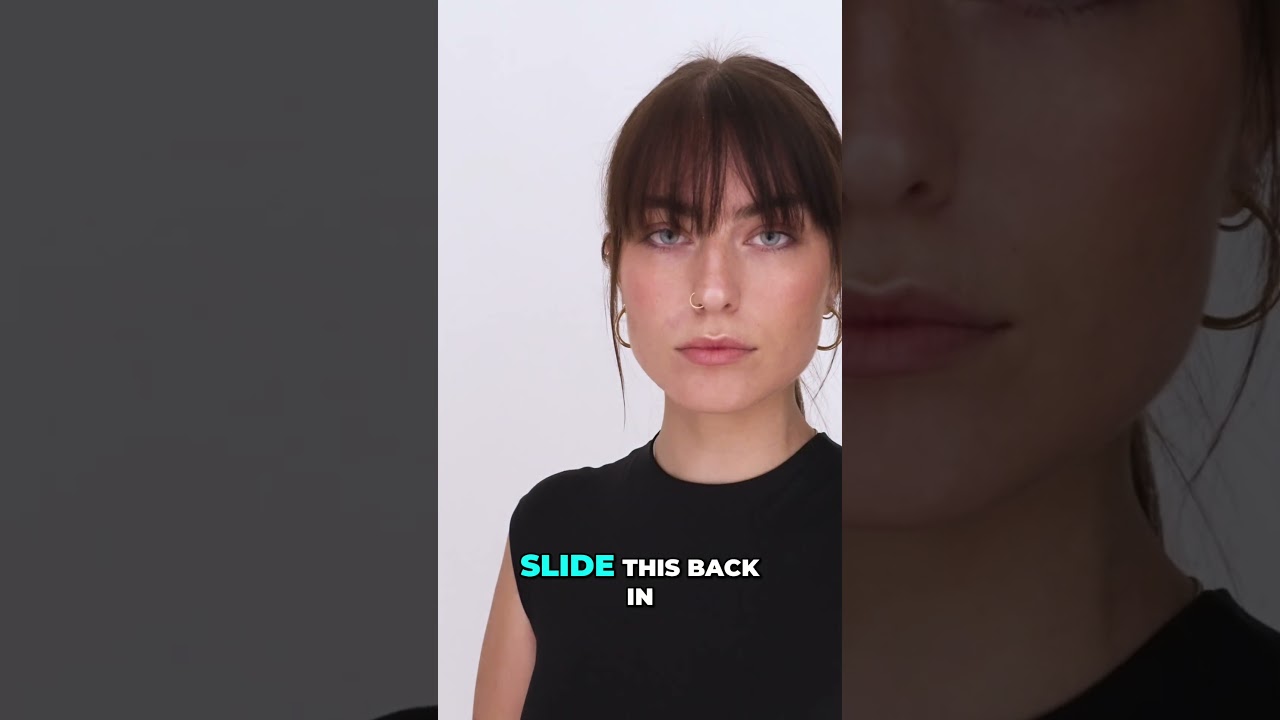
There’s a problem I kept running into early in my studio work: I’d dial in a beautiful softbox position, get the exposure right, and still walk away with portraits that looked flat. The light was technically correct but it wasn’t doing anything interesting to the face. The cheekbones weren’t defined. The jawline disappeared into the background. Everything looked like it was lit for a driver’s license photo, not a magazine page.

Low Key Lighting: The Master's Guide to Shadow and Control

Low Key Lighting: The Master's Guide to Shadow and Control

Low Key Lighting: The Master’s Guide to Shadow and Control Low key lighting isn’t moody for mood’s sake—it’s a disciplined approach to controlling what your viewer sees and, more importantly, what they don’t. I’ve spent twenty years refining this technique, and I’m going to give you the exact framework I use on every low key shoot. What Low Key Actually Means Let me be direct: low key doesn’t mean dark. It means a ratio between highlights and shadows of at least 4:1, typically ranging to 8:1 or higher.