Group Lighting: The Only Setup You Actually Need

Group Lighting: The Only Setup You Actually Need

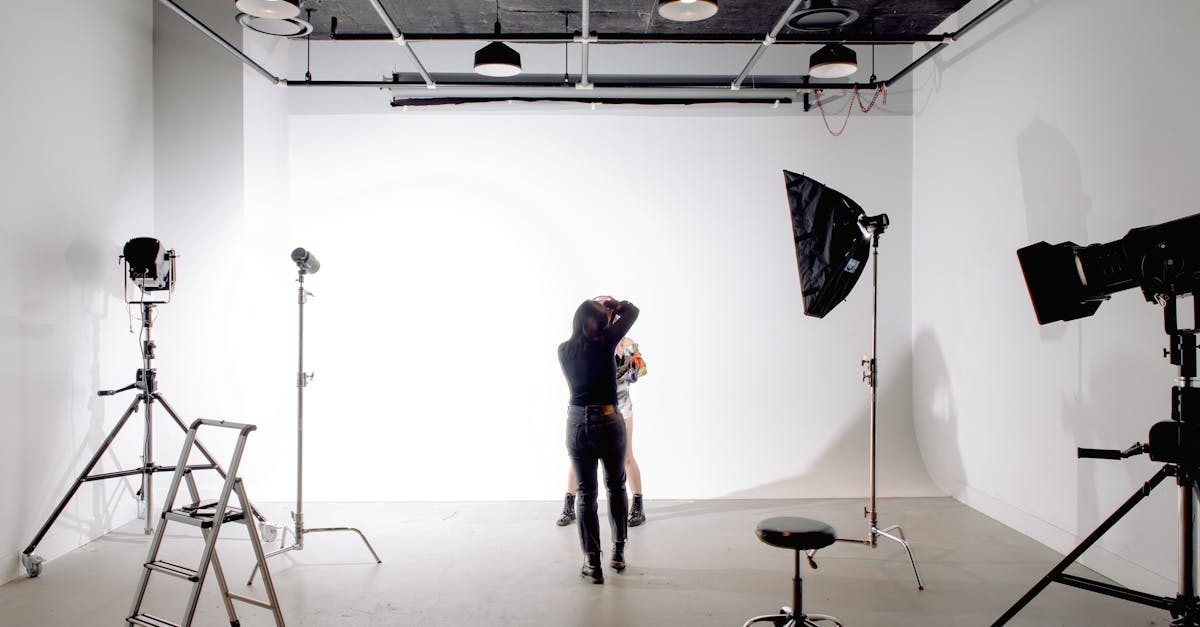
Group Lighting: The Only Setup You Actually Need I’ve lit hundreds of group portraits, and I can tell you with certainty: most photographers overcomplicate this. They add lights like they’re seasoning a dish without tasting it first. The result is muddy, unflattering light that makes everyone look tired. The truth is simpler. You need three lights. Not five. Not seven. Three. The Core Formula: Key, Fill, Separation I treat group lighting like a recipe because it is one.
Group Lighting: The Four-Light System That Works Every Time

Group Lighting: The Four-Light System That Works Every Time

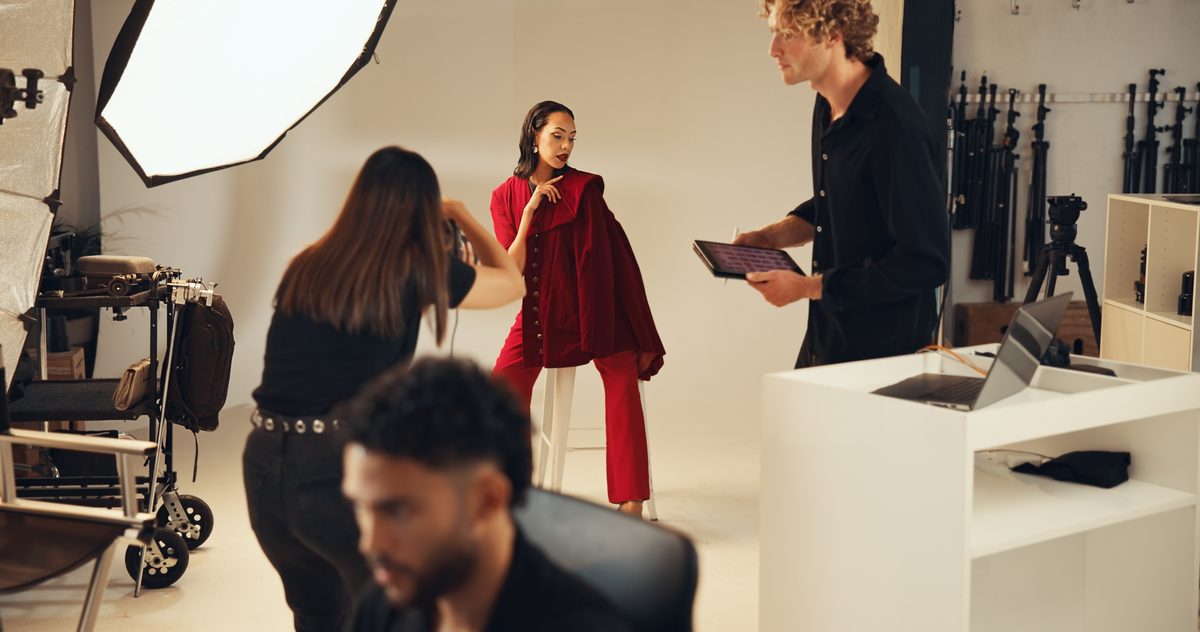
Group Lighting: The Four-Light System That Works Every Time I’ve lit hundreds of group portraits, and I can tell you this: most photographers overcomplicate it. They chase trendy modifiers, obsess over brand names, and abandon their setup the moment something feels “off.” Then they blame the lighting. I don’t work that way. I use the same four-light system for nearly every group shoot, from five people to twenty. It’s not sexy.

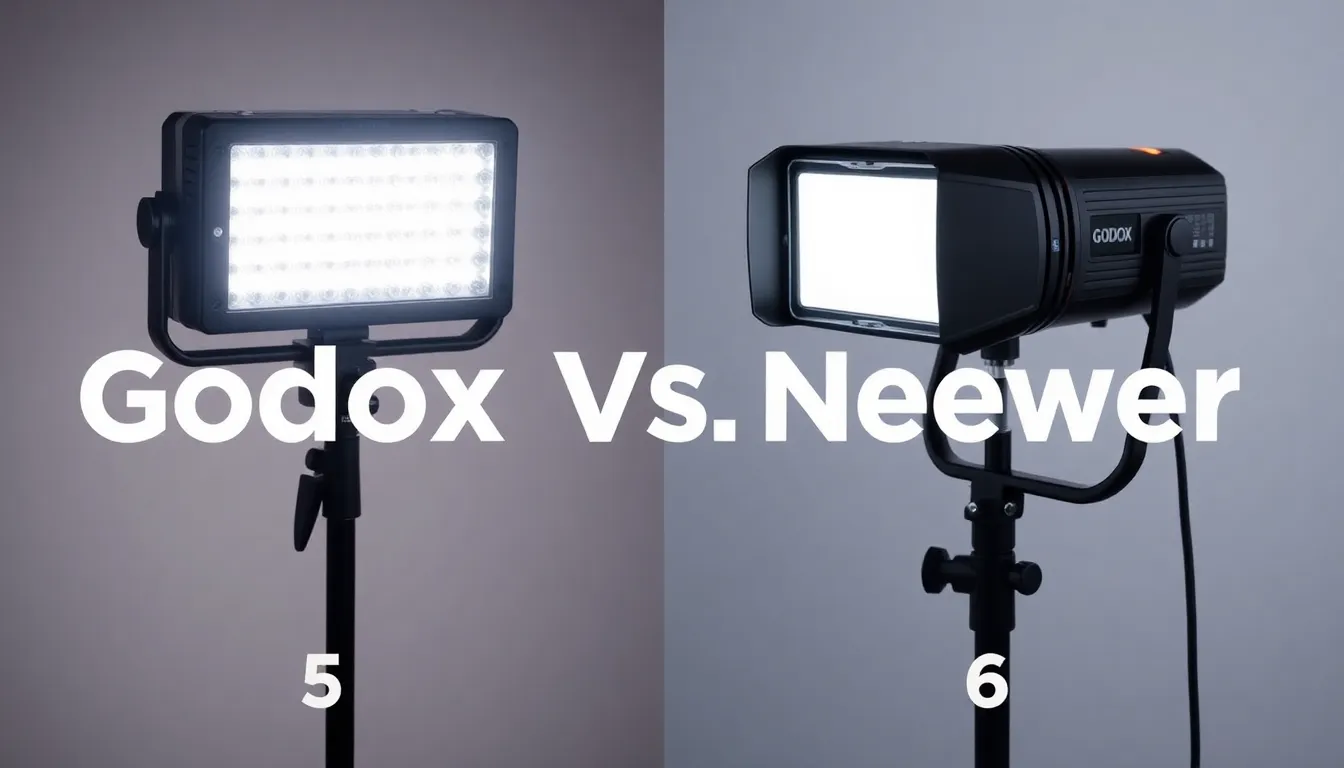
Godox TT600 vs Neewer 660 LED — Choosing Your First Studio Light

Godox TT600 vs Neewer 660 LED — Choosing Your First Studio Light

Godox TT600 vs Neewer 660 LED — Choosing Your First Studio Light I’ve spent the last eight years recommending lighting gear to photographers stepping into studio work, and I can tell you with certainty: the first light you buy shouldn’t be your dream light. It should be your learning light. That’s where budget options like the Godox TT600 Speedlite Flash and the Neewer 660 LED Video Light 2-Pack Kit come in.

Flash Photography: The Recipe for Consistent Studio Lighting

Flash Photography: The Recipe for Consistent Studio Lighting

Flash Photography: The Recipe for Consistent Studio Lighting I’ve watched too many photographers treat flash like an afterthought—a last resort when natural light fails. That’s backwards. Flash is the most controllable light source available, and when you understand it properly, you’ll produce more consistent results than you ever will chasing window light. Understanding Flash Fundamentals Flash photography works like a precise recipe: get one ingredient wrong, and the entire dish suffers.

Flash Photography: Stop Apologizing and Start Mastering Your Speedlight

Flash Photography: Stop Apologizing and Start Mastering Your Speedlight

I’m tired of hearing photographers apologize for using flash. “I wish I had natural light,” they say, as if flash is some kind of failure. It isn’t. Flash is a tool that, when used correctly, gives you absolute control over your subject’s appearance. Most people just use it wrong. The problem isn’t flash itself—it’s that photographers treat it like an afterthought. They slap a speedlight on their camera’s hot shoe, aim it forward, and wonder why their subjects look washed out and one-dimensional.

Flash Photography Fundamentals: The Recipe for Consistent, Controlled Light

Flash Photography Fundamentals: The Recipe for Consistent, Controlled Light

Flash Photography Fundamentals: The Recipe for Consistent, Controlled Light I’ve spent twenty years working with flash, and I can tell you this: most photographers use it as a last resort instead of a primary tool. That’s a mistake. Flash isn’t a backup—it’s precision lighting you can carry in your bag. When you understand how to control it, you’ll never again accept flat, unpredictable ambient light. The Three Variables You Must Master Think of flash exposure like baking.

Flash Photography Fundamentals: Control Light Like a Professional

Flash Photography Fundamentals: Control Light Like a Professional

Flash Photography Fundamentals: Control Light Like a Professional I’ve watched photographers spend thousands on flash equipment only to produce flat, unflattering light. The problem isn’t the gear—it’s the approach. Flash photography isn’t mysterious. It’s a system, and once you understand the mechanics, you control the outcome with precision. The Core Principle: Inverse Square Law Governs Everything Every flash decision flows from one physical law: light intensity drops by a quarter every time you double the distance from source to subject.

Flash Photography Fundamentals: Building Your Technique from the Ground Up

Flash Photography Fundamentals: Building Your Technique from the Ground Up

Flash Photography Fundamentals: Building Your Technique from the Ground Up I’ve spent twenty years in studios watching photographers stumble with flash because they treat it like an on-off switch rather than a precision tool. Flash intimidates people. It shouldn’t. Once you understand the mechanics, it becomes as controllable as any other light source—sometimes more so. The Core Recipe: Understanding Flash Exposure Flash exposure works differently than ambient light, and this is where most photographers lose control.

Creative Gels for Studio Photography: The Ingredient That Changes Everything

Creative Gels for Studio Photography: The Ingredient That Changes Everything

I’ve spent twenty years mixing light the way a chef mixes ingredients, and I can tell you this: most photographers treat gels like an afterthought. They’re not. Gels are the difference between competent work and compelling work. Think of gels as your most controllable variable. You can’t change the sun, but you can shape every photon in your studio. That precision is why I use gels on nearly every shoot.

Creative Gels for Studio Photography: Beyond Color Correction

Creative Gels for Studio Photography: Beyond Color Correction

Creative Gels for Studio Photography: Beyond Color Correction I’ve watched photographers treat gels like an afterthought—a pack of color correction filters tossed in a kit bag. That’s a missed opportunity. Creative gels aren’t corrective tools; they’re storytelling instruments. Used deliberately, they separate competent studio work from memorable imagery. Let me share exactly how I approach them. The Difference Between Correction and Creation Color correction gels (CTO, CTB, and their variants) solve practical problems: they balance tungsten lights to daylight, or vice versa.