Why Your Flash Photos Look Flat (And the One Ratio That Fixes Almost Everything)

Why Your Flash Photos Look Flat (And the One Ratio That Fixes Almost Everything)

The Shot That Cost Me a Client I was twenty-nine, and I had just landed my first real editorial job. The brief was a six-page fashion spread, decent budget, a full studio day. I showed up confident. I had my flashes dialed, my backdrop pressed, my assistant briefed. What I did not have was a properly calibrated color temperature across my lights. Two of my strobes were older units running warmer than the others.
How to Light and Pose Swimwear in the Studio Without a Pool, a Beach, or a Prayer

How to Light and Pose Swimwear in the Studio Without a Pool, a Beach, or a Prayer

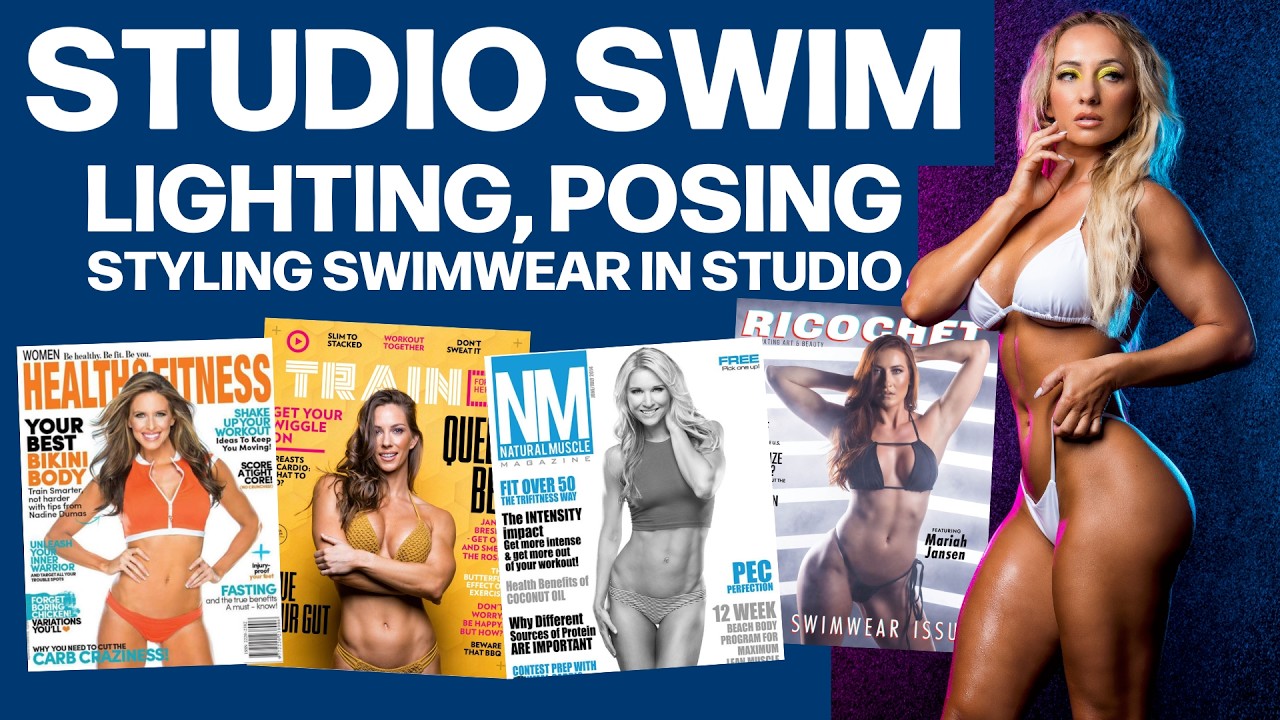
Last month I got a booking from a small activewear brand that had pivoted into swimwear. They needed catalog shots, clean white-background stuff, and a handful of editorial-leaning images for their website hero. I’ve shot plenty of fitness and apparel work, but swimwear has its own specific gravity. The lighting that flatters a jacket flatters almost nothing else. The posing that reads confident in sportswear can read uncomfortable or overly exposed in a swimsuit.

Your Glossy Products Are Mirrors. Start Lighting Them That Way.

Your Glossy Products Are Mirrors. Start Lighting Them That Way.

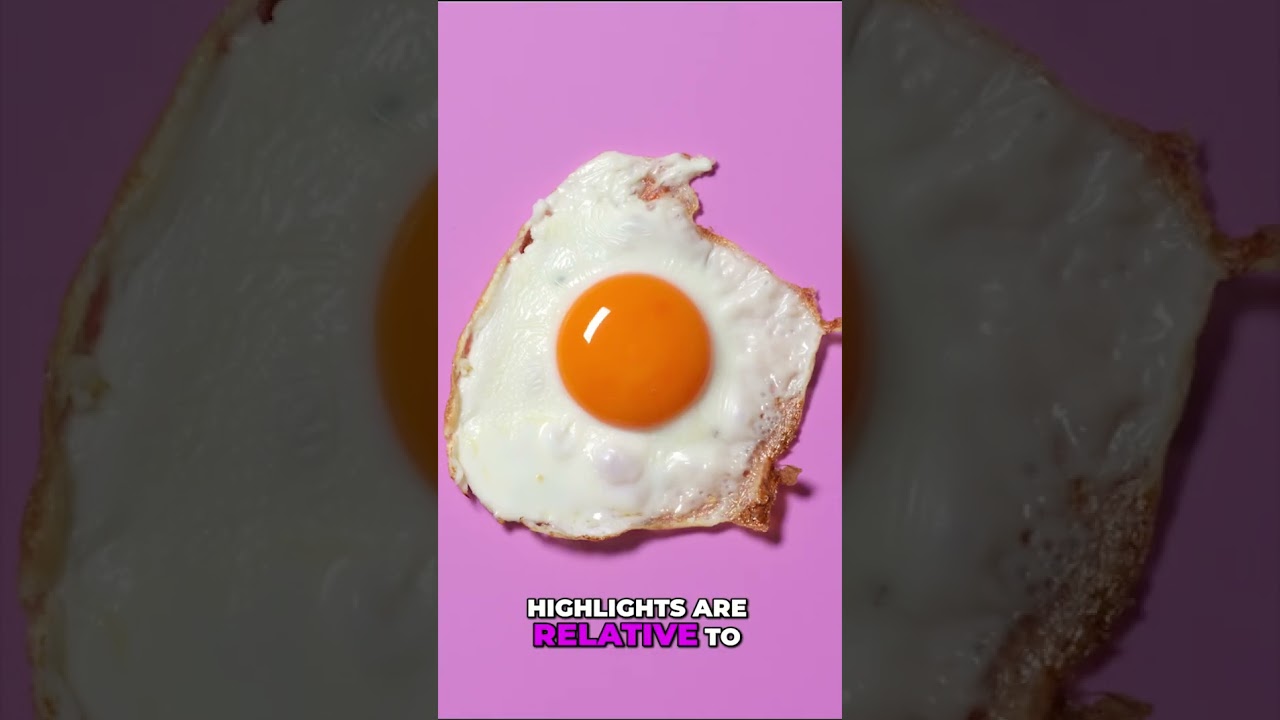
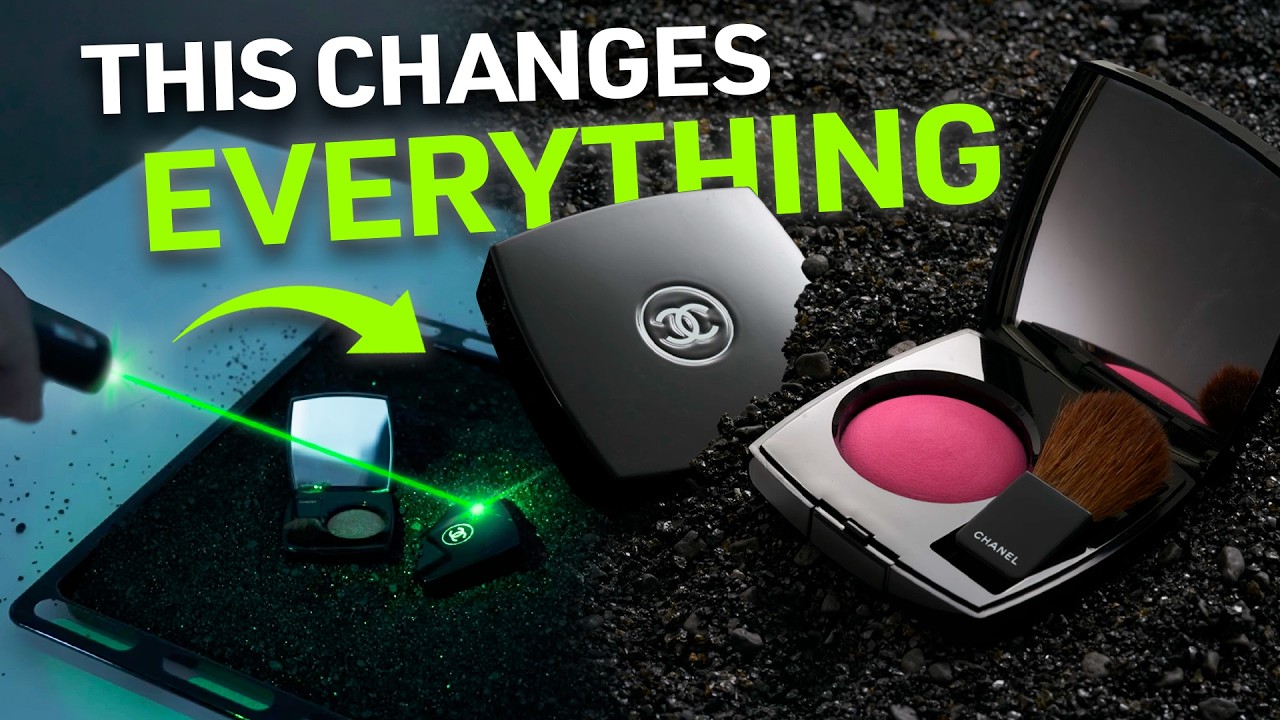
Every commercial photographer has a version of this story. A client sends over a cosmetics product, something small and impossibly shiny, and you set up what feels like a reasonable light position and fire a test shot. The result looks like a snapshot from a drugstore circular. The surface is either blowing out in a hot white blob or reading as a flat, lifeless panel with no dimension whatsoever. I have a lighting journal where I sketch every setup from every shoot, and I can flip back through dozens of pages where a note in the margin reads some version of “glossy surfaces are the enemy.

Why Your Flash Photos Look Flat (And the One Setting Most Photographers Never Touch)

Why Your Flash Photos Look Flat (And the One Setting Most Photographers Never Touch)

The Shot That Almost Ended My Career Before It Started I was twenty-six, second year shooting professionally, and I had just landed my first real editorial assignment. A fashion spread for a regional magazine, nothing massive, but it mattered. I showed up, set my lights, shot the whole day feeling confident. The images came back from the lab with a color cast so green it looked like the model was standing inside a fish tank.

Why Lighting Ratios Are the First Thing I Check When a Studio Shot Isn't Working

Why Lighting Ratios Are the First Thing I Check When a Studio Shot Isn't Working

A few months back I was mid-way through a beauty editorial, two hours in, and something was off. The skin tones looked flat on one side and blown out on the other, and I kept adjusting my key light position when the real problem was simpler and more embarrassing. My ratio was wrong. I had not set a deliberate relationship between my key and fill before the first frame. I was chasing a symptom instead of diagnosing the cause.

One Light, Done Right: How a Single Strobe Can Outperform a Five-Light Setup

One Light, Done Right: How a Single Strobe Can Outperform a Five-Light Setup

The Overcomplicated Studio Is Usually a Confidence Problem Early in my career I watched a photographer I deeply respected spend forty-five minutes adjusting a six-light setup for a headshot. He kept adding lights to fix problems the previous lights had created. A rim light to separate the subject from the background. A hair light to compensate for the rim light killing the shadow detail. A kicker on the opposite side because now the image felt unbalanced.

Two Paths to Better Flash: Neewer's Latest Studio and Location Solutions Compared

Two Paths to Better Flash: Neewer's Latest Studio and Location Solutions Compared

A Tale of Two Flash Philosophies I’ve spent enough time in both studio environments and on location shoots to know that one flash rarely serves all purposes well. Neewer seems to understand this fundamental truth, which is why their latest releases—the Q120 and Z3R—represent distinctly different answers to the question of what modern photographers actually need. The real question isn’t which flash is better. It’s which one solves your problems.

One Desk Lamp, One Subject, Zero Excuses: What Project 3 Taught Me About Lighting Control

One Desk Lamp, One Subject, Zero Excuses: What Project 3 Taught Me About Lighting Control

There’s a specific problem that comes up constantly in commercial food and product work: shiny surfaces that either blow out completely or go flat and lifeless depending on where you put your light. I’ve burned through more test shots than I care to count trying to dial in the relationship between a glossy surface and the matte areas surrounding it. Too much light and you lose the specular highlight that tells the viewer “this is wet, this is fresh.

How Apple Crumble's Creepy-Cute Aesthetic Teaches Us About Mood Lighting in Narrative Games

How Apple Crumble's Creepy-Cute Aesthetic Teaches Us About Mood Lighting in Narrative Games

A Studio Lesson Hiding in Plain Sight I stumbled onto something fascinating while researching upcoming indie games: Happy Broccoli’s new mystery adventure, Apple Crumble, demonstrates lighting principles that every studio photographer should understand. The team has crafted what they’re calling a “creepy-cute” experience—and the visual language they’re using is pure lighting mastery. The Balance Between Warmth and Unease What caught my attention immediately is how the game’s aesthetic mirrors the fundamental challenge we face in portrait studios: balancing comfort with intrigue.

Rim Lighting Done Right: The Setup That Separates Flat Studio Shots from Images That Actually Sell

Rim Lighting Done Right: The Setup That Separates Flat Studio Shots from Images That Actually Sell

I pulled a tear-out from a magazine once, a full-page beauty editorial, and spent about forty minutes staring at the catchlights and shadow edges trying to reverse-engineer the setup. Two rim lights, one key, a reflector below the chin. I sketched it in my lighting journal, taped it to the wall, and built it. The first test frame looked almost identical to the tear-out. That was the day I understood that rim lighting is not a creative accident.

Why Your Group Shots Look Wrong — And the Physics That Fixes Them

Why Your Group Shots Look Wrong — And the Physics That Fixes Them

Group shots are the shoot I see photographers quietly dread more than any other. Clients assume they’re simpler than individual portraits. Less fuss, fewer variables. In reality they concentrate every technical problem into one frame: competing shadows, lens distortion, uneven exposure across multiple faces, and the uncomfortable social geometry of arranging people who don’t quite know where to stand. I’ve sketched the lighting setups from hundreds of shoots in my journal over the years, and group portraits fill more pages with crossed-out diagrams than anything else.

One Light Is Enough: How a Single Strobe Teaches You Everything You've Been Ignoring

One Light Is Enough: How a Single Strobe Teaches You Everything You've Been Ignoring

The Most Expensive Mistake I See in Studios Every time a photographer tells me they need a third or fourth light to fix a problem, I make them turn off everything except one strobe. Not as a punishment. As a diagnosis. Most lighting problems are not problems of quantity. They are problems of understanding. When you pile on fill lights, hair lights, and background lights before you understand what your key light is actually doing, you are decorating a problem rather than solving it.