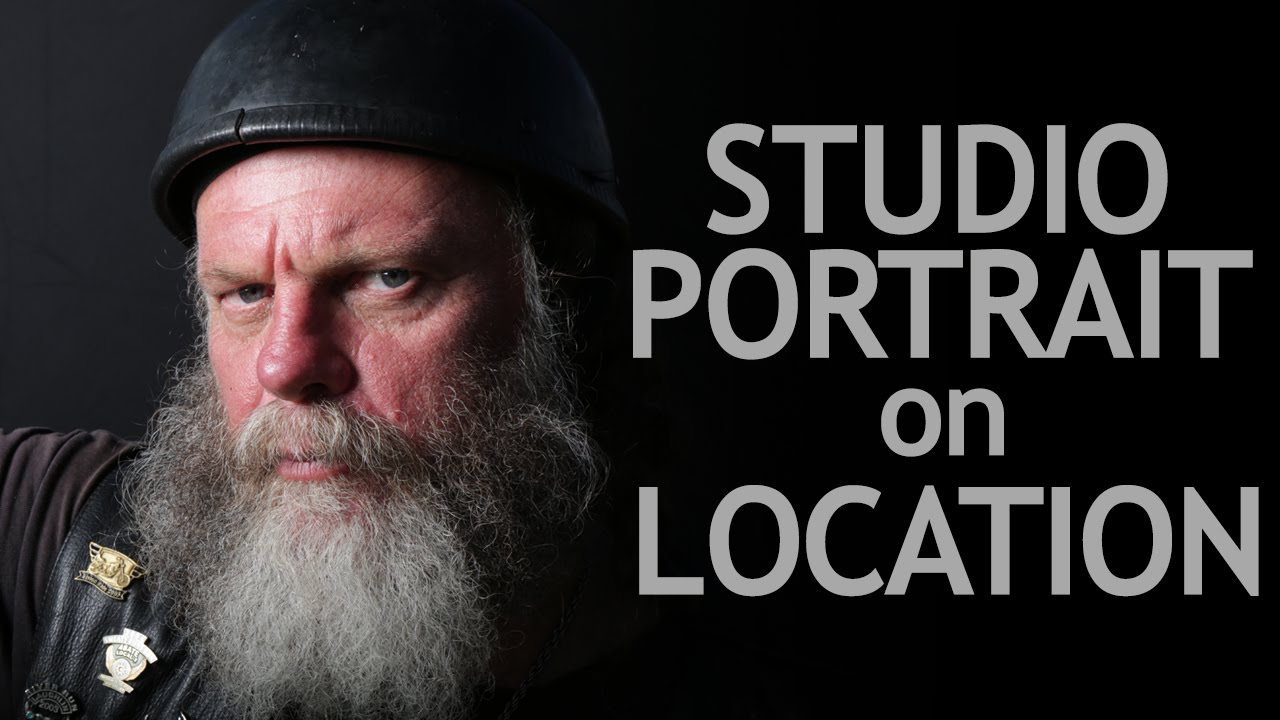
How to Kill Ambient Light and Build a Studio Portrait Anywhere

How to Kill Ambient Light and Build a Studio Portrait Anywhere

There’s a specific kind of panic that hits when a client wants “that clean studio look” and the only location available is a sun-blasted parking lot at noon. I’ve been there more times than I’d like to admit. Over the years I’ve developed my own systems for it, but I keep sending assistants and newer photographers to this particular tutorial because Jay P. Morgan at The Slanted Lens demonstrates the core technique more clearly than I’ve seen it explained anywhere else.
Two Photographers, One Subject: What Fine Art and Fashion Posing Can Teach Each Other

Two Photographers, One Subject: What Fine Art and Fashion Posing Can Teach Each Other

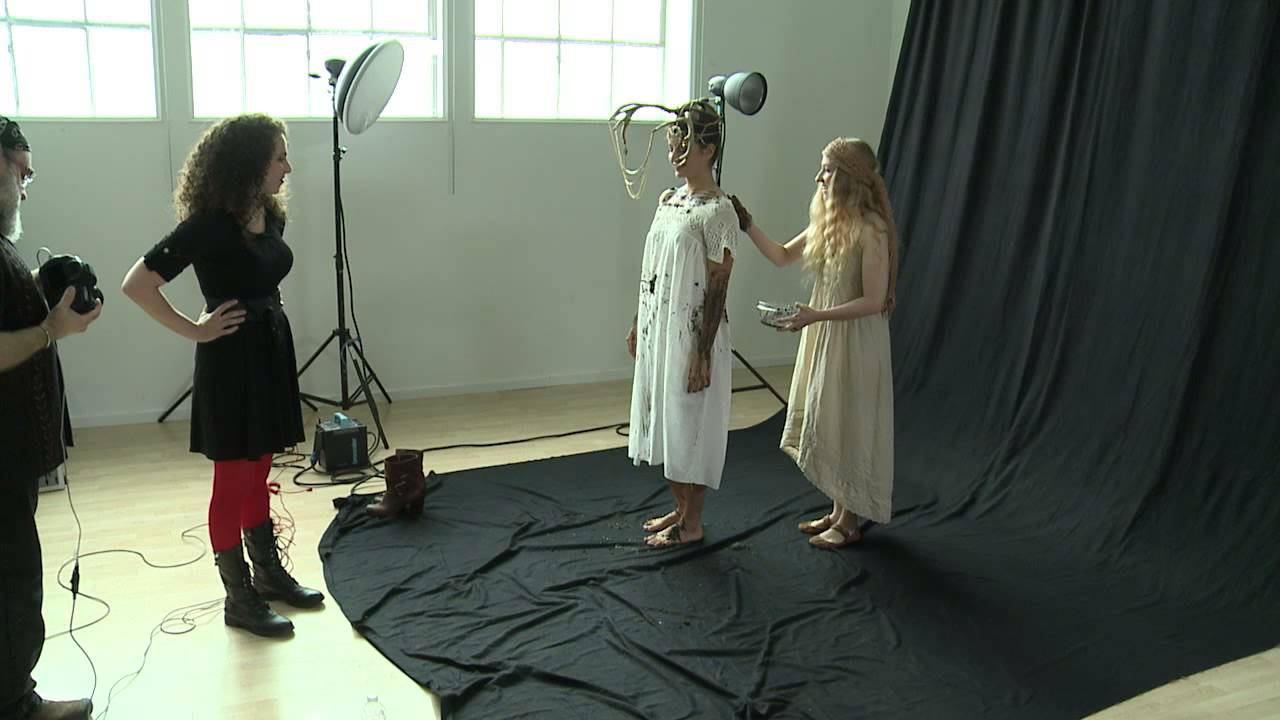
Most posing disagreements I see in studio work come down to one unresolved question: are you photographing a person or a feeling? Fashion posing optimizes the subject. Fine art posing subordinates the subject to a concept. Both are legitimate answers, but mixing them up mid-shoot is where things go sideways. I’ve watched it happen to assistants on my own sets, and I’ve done it myself early on, trying to make a model look great when the brief called for something more unsettling and symbolic.

Low Key Lighting: The Master's Guide to Shadow and Control

Low Key Lighting: The Master's Guide to Shadow and Control

Low Key Lighting: The Master’s Guide to Shadow and Control Low key lighting isn’t moody for mood’s sake—it’s a disciplined approach to controlling what your viewer sees and, more importantly, what they don’t. I’ve spent twenty years refining this technique, and I’m going to give you the exact framework I use on every low key shoot. What Low Key Actually Means Let me be direct: low key doesn’t mean dark. It means a ratio between highlights and shadows of at least 4:1, typically ranging to 8:1 or higher.