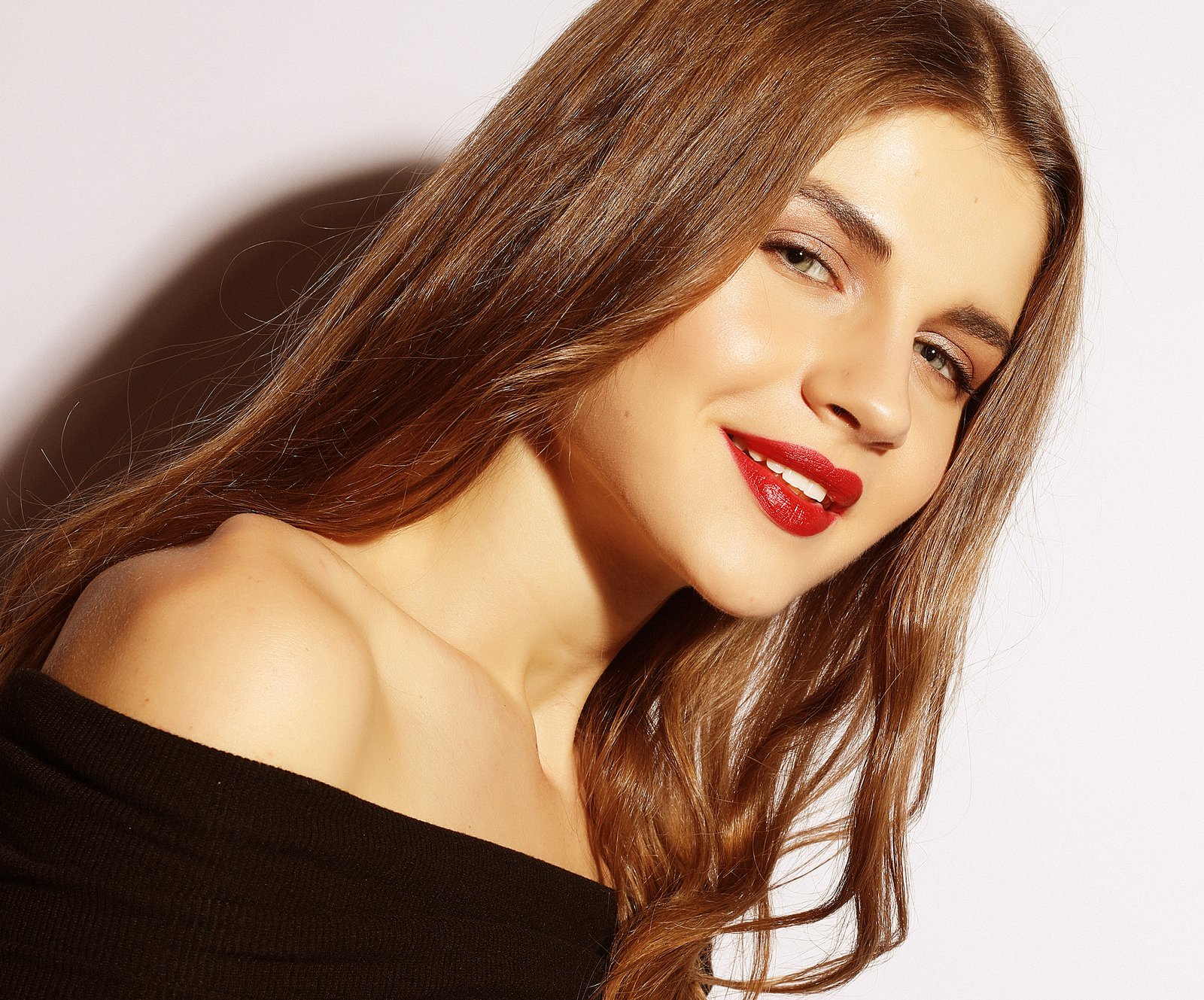
The Case Against Always Going Soft
I’ve spent enough time in studios to recognize a truth that gets overlooked in contemporary portraiture: not every face needs to be wrapped in diffusion. The industry’s obsession with flattering, forgiving light has created a generation of photographers who panic at the sight of a bare bulb. But here’s what I’ve learned: sometimes the most compelling portraits come from controlled harshness.
Fashion photographers understood this decades ago. They built their aesthetic on directional, undiffused light that sculpts the face with precision and intention. This approach demands respect from both the photographer and the subject—there’s nowhere to hide. And that’s exactly why it works.
What Barn Doors Actually Do
Let me be clear about the mechanics here. A barn door fixture is straightforward equipment: four adjustable flaps mounted in front of a light source that control exactly where your illumination falls. Unlike softboxes or umbrellas that scatter light in all directions, barn doors contain it. They create defined edges and prevent spill onto your background or the sides of your subject’s face.
This control is everything. You’re not just adding drama—you’re architecting it.
When Harsh Light Tells the Better Story
The purpose of your shoot determines everything. A corporate headshot? Fine, lean into the softness. But editorial work, character studies, or fashion imagery? These genres demand visual impact. Harsh light creates dimension that soft light struggles to achieve. It reveals texture, emphasizes bone structure, and communicates mood instantly.
I’ve positioned countless subjects under barn door fixtures, and the difference in their presence is noticeable. The light finds cheekbones. It defines jawlines. It creates shadows that add gravitas to an image.
The Positioning Challenge
Here’s where precision matters. Barn doors require intentional placement. A slight angle shift changes everything about your lighting ratio and the character of shadows across your subject’s face. I typically start with the fixture at roughly 45 degrees from the camera axis, then adjust based on the specific bone structure I’m working with.
Your subject’s posture matters too. Even a half-inch turn of the head can move them from beautifully lit to partially obscured. This isn’t a forgiving setup.
The Bottom Line
Barn door lighting isn’t for every portrait, and it shouldn’t be. But dismissing it as “too harsh” is short-sighted. When you need impact, when you need mood, when you need your subject to command attention—this is your tool. Master it, and you’ll have another weapon in your creative arsenal that separates competent work from compelling work.
Comments (2)
Shared this with my photography group. Everyone loved it.
Couldn't agree more. I've seen this make a huge difference in photography work specifically.
Leave a Comment