How to Read a Location for Light Before You Shoot a Single Frame

How to Read a Location for Light Before You Shoot a Single Frame

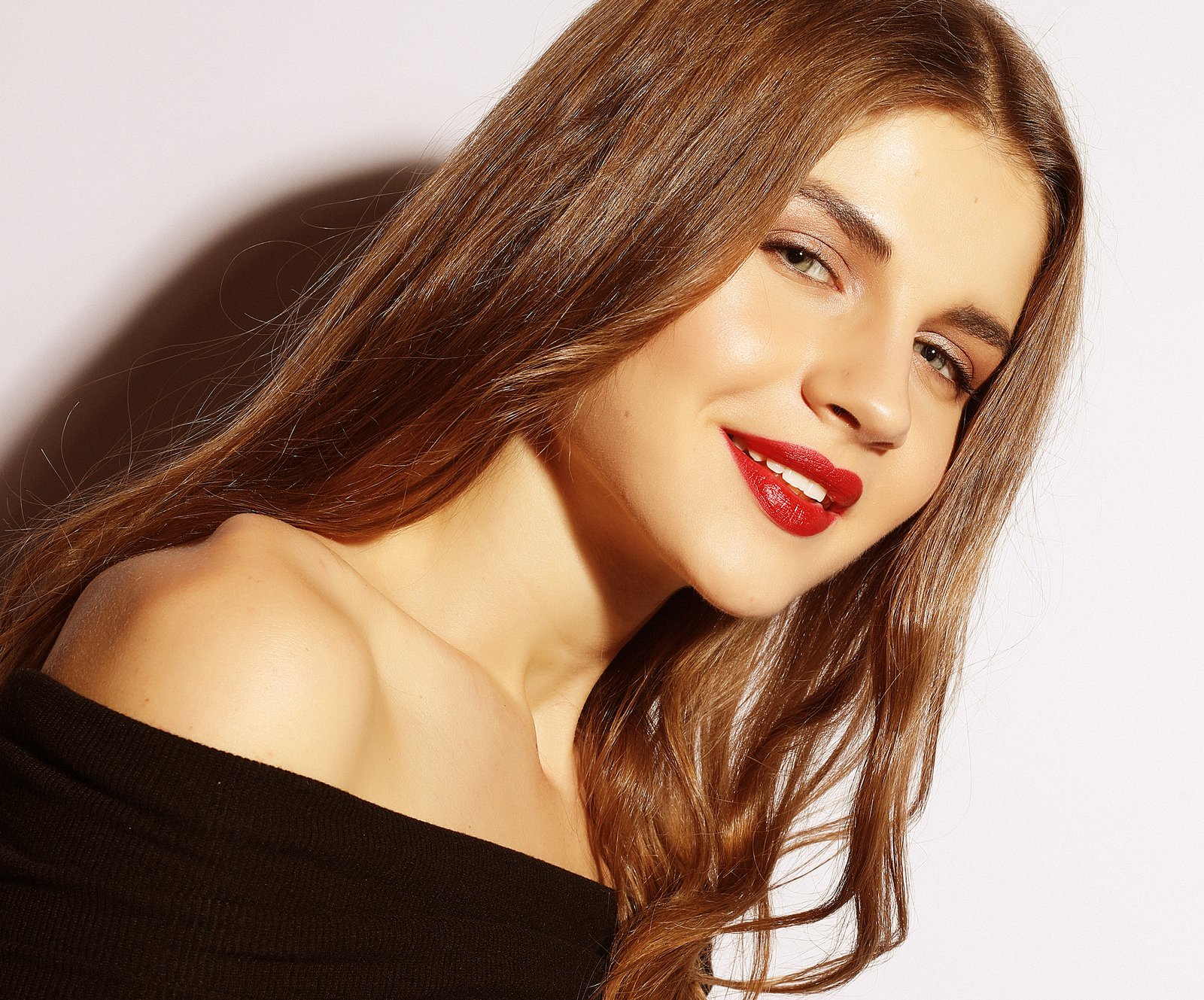
Every location shoot I walk into, I do the same thing before I touch a single piece of gear. I stop at the door and I look for the light that’s already there. Not the light I brought. The light that exists. Most photographers I know do the opposite. They walk in with a plan built in the parking lot and spend the next hour trying to force that plan onto a space that doesn’t want it.

Two Photographers, One Subject: What Fine Art and Fashion Posing Can Teach Each Other

Two Photographers, One Subject: What Fine Art and Fashion Posing Can Teach Each Other

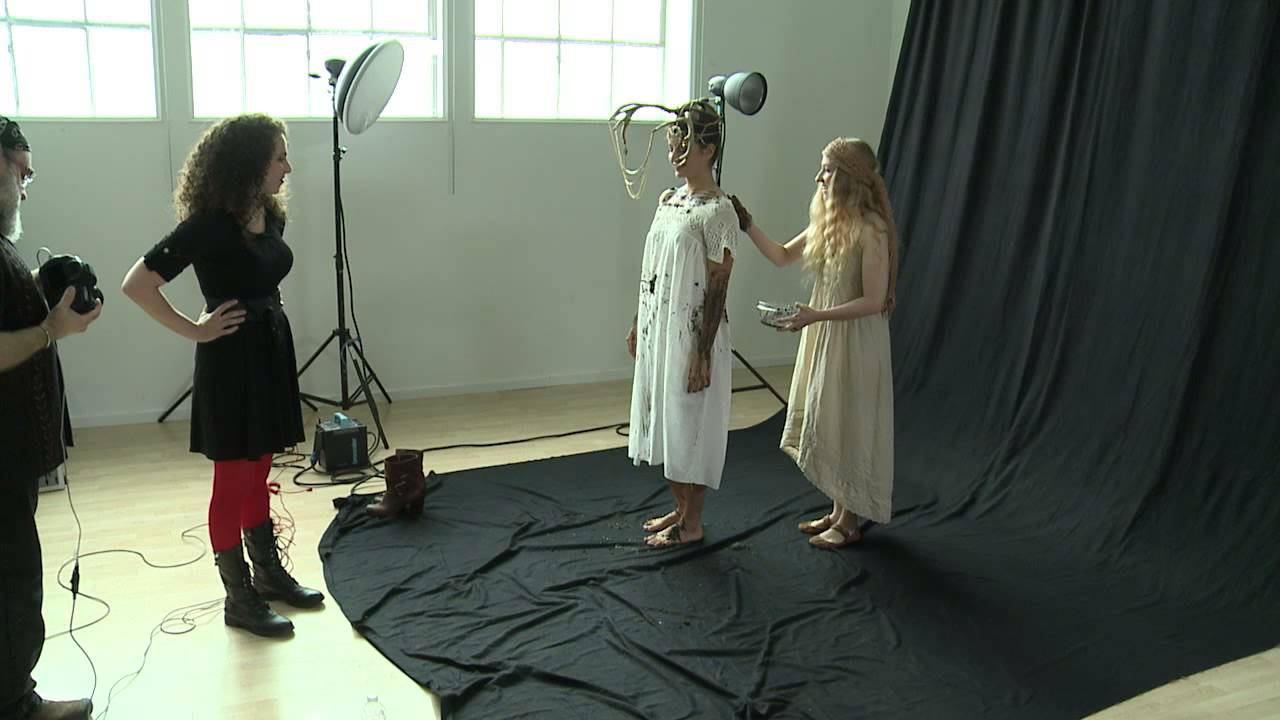
Most posing disagreements I see in studio work come down to one unresolved question: are you photographing a person or a feeling? Fashion posing optimizes the subject. Fine art posing subordinates the subject to a concept. Both are legitimate answers, but mixing them up mid-shoot is where things go sideways. I’ve watched it happen to assistants on my own sets, and I’ve done it myself early on, trying to make a model look great when the brief called for something more unsettling and symbolic.

Use Depth of Field as a Design Decision, Not an Afterthought: Lessons from Vasquez Rocks

Use Depth of Field as a Design Decision, Not an Afterthought: Lessons from Vasquez Rocks

Most of my work happens in a controlled studio environment where I can label every light with masking tape, dial in my ratios, and sketch the setup in my lighting journal before I fire a single frame. But location work strips all of that away. The background is whatever it is. The sun moves whether you want it to or not. And if you haven’t thought through how your lens choice and aperture are going to shape the image before you arrive, you end up fighting the environment instead of using it.

Breaking the Soft Light Mold: Mastering Barn Door Fixtures for High-Impact Portraits

Breaking the Soft Light Mold: Mastering Barn Door Fixtures for High-Impact Portraits

The Case Against Always Going Soft I’ve spent enough time in studios to recognize a truth that gets overlooked in contemporary portraiture: not every face needs to be wrapped in diffusion. The industry’s obsession with flattering, forgiving light has created a generation of photographers who panic at the sight of a bare bulb. But here’s what I’ve learned: sometimes the most compelling portraits come from controlled harshness. Fashion photographers understood this decades ago.

Three Lights, Two Gels, One Killer Fashion Frame: Breaking Down Aaron Nace's High-Fashion Vault Shoot

Three Lights, Two Gels, One Killer Fashion Frame: Breaking Down Aaron Nace's High-Fashion Vault Shoot

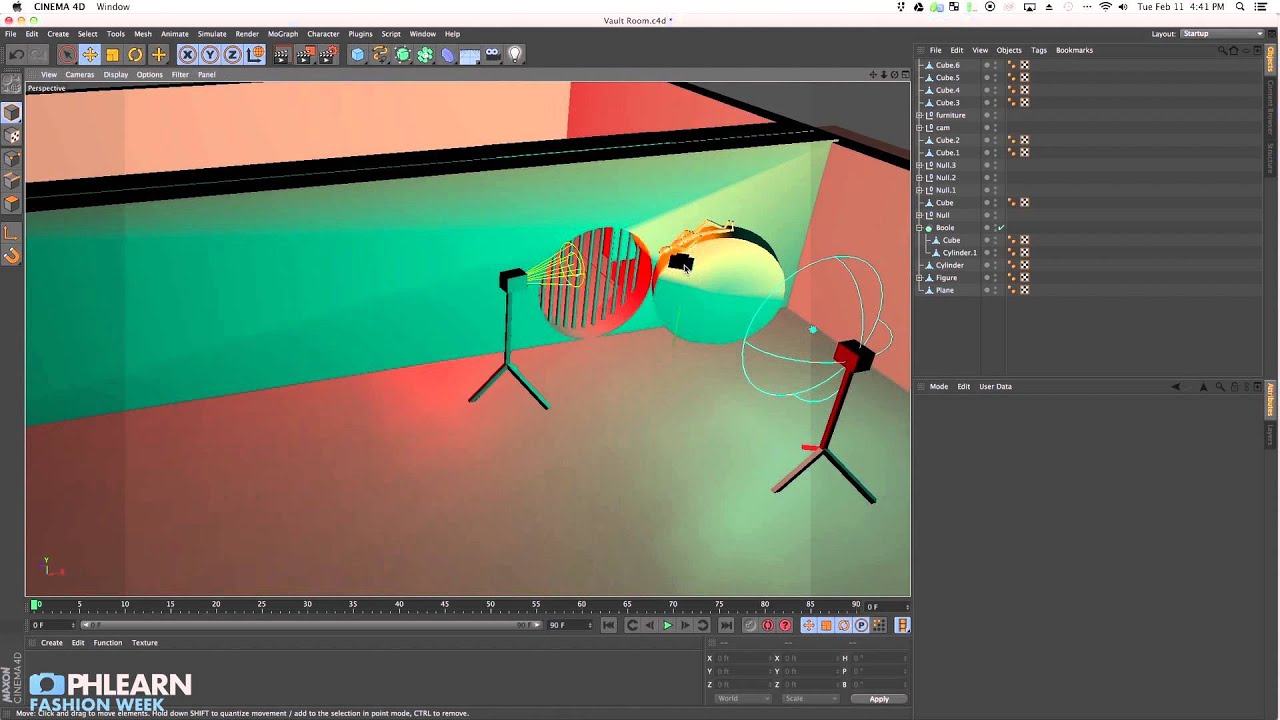
Every few months I pull out my lighting journal and flip back through old setups. Some of them make me cringe. Some of them remind me that the best lighting problems get solved before the model ever walks onto the set. The high-fashion vault shoot that Aaron Nace (PHLEARN) breaks down in his tutorial sits firmly in the second category. It’s a tight, purposeful lighting plan built around a location’s existing character, and watching it laid out step by step answered a question I’ve wrestled with on editorial jobs for years: how do you introduce color into a shot without making the skin look like a Halloween costume?

How to Light and Pose Swimwear in the Studio Without a Pool, a Beach, or a Prayer

How to Light and Pose Swimwear in the Studio Without a Pool, a Beach, or a Prayer

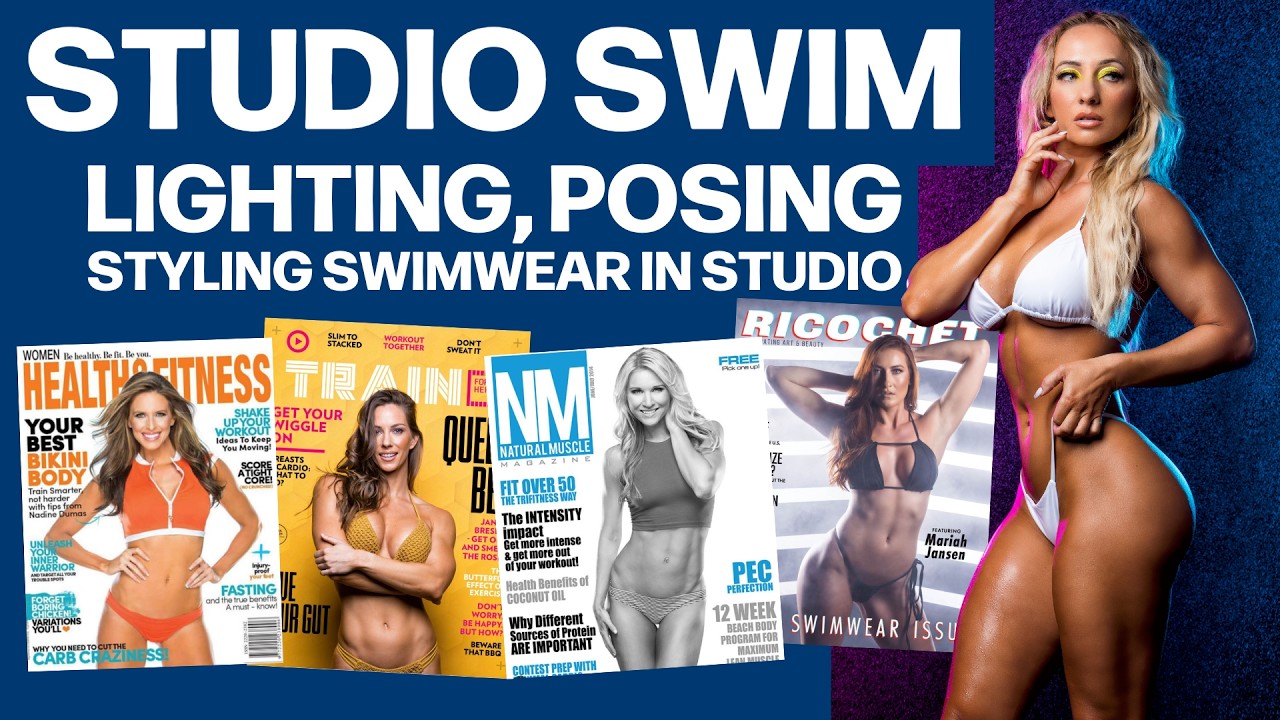
Last month I got a booking from a small activewear brand that had pivoted into swimwear. They needed catalog shots, clean white-background stuff, and a handful of editorial-leaning images for their website hero. I’ve shot plenty of fitness and apparel work, but swimwear has its own specific gravity. The lighting that flatters a jacket flatters almost nothing else. The posing that reads confident in sportswear can read uncomfortable or overly exposed in a swimsuit.