Why Shallow Depth of Field in the Studio Is Harder Than It Looks (And How to Actually Pull It Off)

Why Shallow Depth of Field in the Studio Is Harder Than It Looks (And How to Actually Pull It Off)

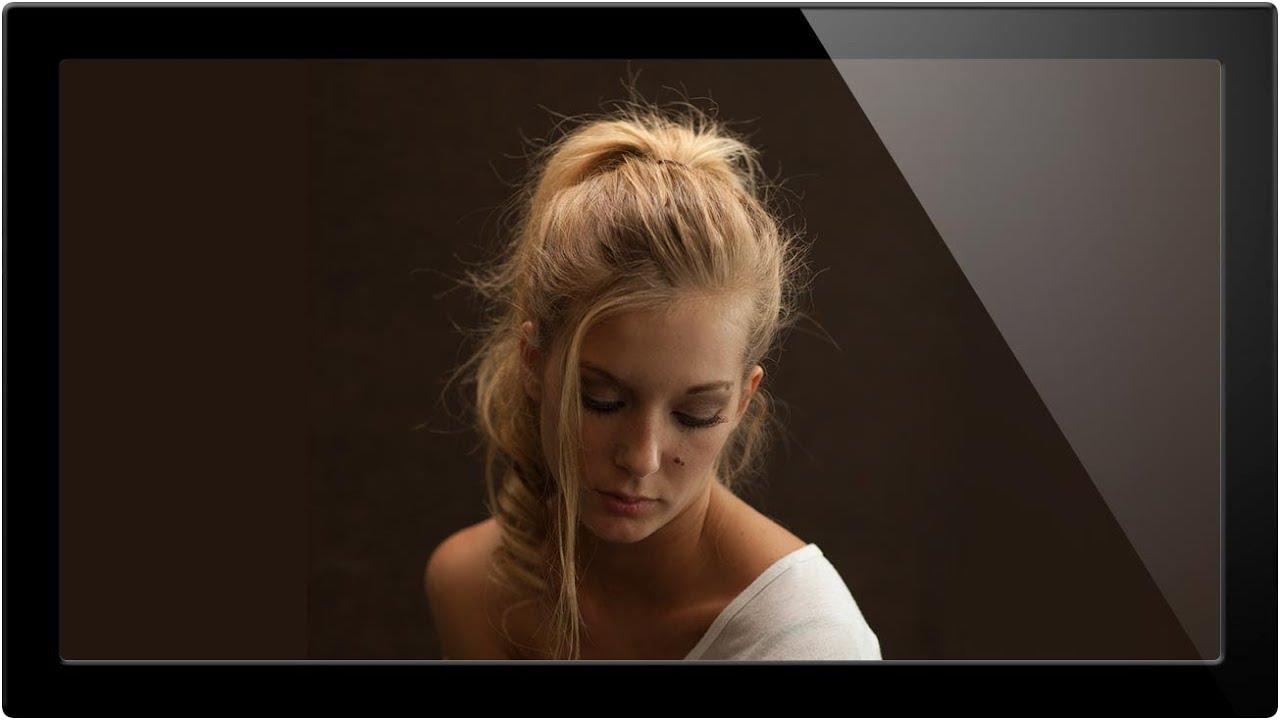
There is a specific kind of frustration that comes from walking into a studio with a fast prime, knowing exactly what you want the image to look like, and then watching the exposure spiral out of control the moment you open up the aperture. I have been there more than I would like to admit. Studio strobes are designed to put out light. Fast lenses are designed to gather it. Those two things are genuinely fighting each other the moment you try to shoot wide open indoors, and without a deliberate strategy, you end up either blowing out the frame entirely or stopping down until all that beautiful compression and blur just disappears.
How to Actually Get Beautiful Bokeh: Lens Choice, Distance, and a Time Square Test

How to Actually Get Beautiful Bokeh: Lens Choice, Distance, and a Time Square Test

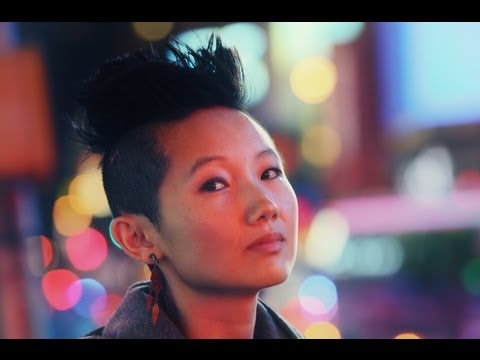
Clients started asking me for that “blurry background look” so often that I made a cheat sheet and taped it to the wall above my monitor. Most photographers understand bokeh conceptually, but when they try to replicate it, something goes flat. The background blurs a little but not enough. The circles of light look muddy. The subject doesn’t pop. The problem is almost never the camera. It’s the relationship between three variables that most tutorials explain in isolation rather than together: aperture, subject distance, and subject-to-background distance.

Flash Power and Aperture Are the Same Dial: Here's How to Read Them Together

Flash Power and Aperture Are the Same Dial: Here's How to Read Them Together

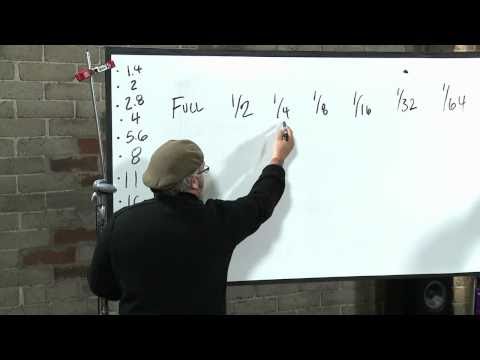
Early in my career, I treated flash power and aperture as two separate problems. I’d fire a test shot, decide it was too bright, randomly close down my aperture, fire again, still wrong, then start fiddling with the flash power. No logic to it. Just guessing with expensive equipment. It wasn’t until I really internalized the stop-based relationship between those two controls that my exposure work became something I could actually reason through instead of stumble toward.