Fire, Rain, and Police Lights: How to Build Cinematic Special Effects with LED Panels

Fire, Rain, and Police Lights: How to Build Cinematic Special Effects with LED Panels

There’s a specific kind of client request that used to make me nervous: the ones that want something cinematic on a studio budget. “Can we make it feel like he’s outside in the rain?” or “Can we get that firelight glow?” Years ago, my answer involved a lot of gels, a lot of guessing, and at least one shoot where I handed back a card full of images that looked more like a Halloween party than an editorial spread.
5 Cinematic RGB Lighting Setups You Can Build Today (And the Color Science Behind Them)

5 Cinematic RGB Lighting Setups You Can Build Today (And the Color Science Behind Them)

There’s a problem I run into on nearly every fashion or beauty shoot where the client wants “something moody, something cinematic” but the brief stops there. They want deep, saturated color. They want the frame to feel like a still from a film. And for years, that meant packing an entire pelican case full of gels, clipping them to lights in the dark, and hoping the color read the way I imagined it would.

Five Cinematic Lighting Setups, One Small Room: What I Took From The Slanted Lens

Five Cinematic Lighting Setups, One Small Room: What I Took From The Slanted Lens

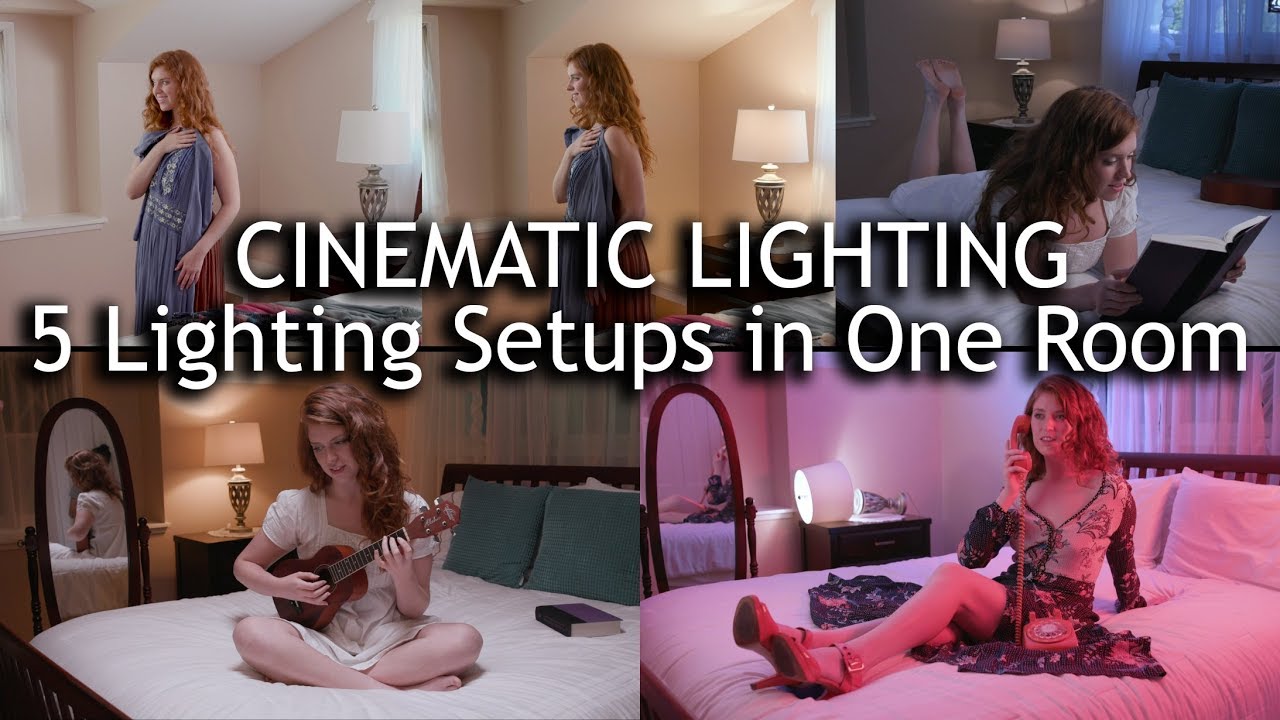
Small rooms have beaten me more times than I’d like to admit. You show up to a location, the ceiling is low, the walls are close, and the one window faces the wrong direction. For years I treated that as a problem to solve by hauling in more gear. What I’ve learned, slowly, is that constraints force better decisions. A tight room doesn’t need more light. It needs smarter light placement and a clear idea of what mood you’re actually after before you touch a single stand.

Five Eras, Five Cities: What Multi-Period Game Design Teaches Us About Lighting Consistency

Five Eras, Five Cities: What Multi-Period Game Design Teaches Us About Lighting Consistency

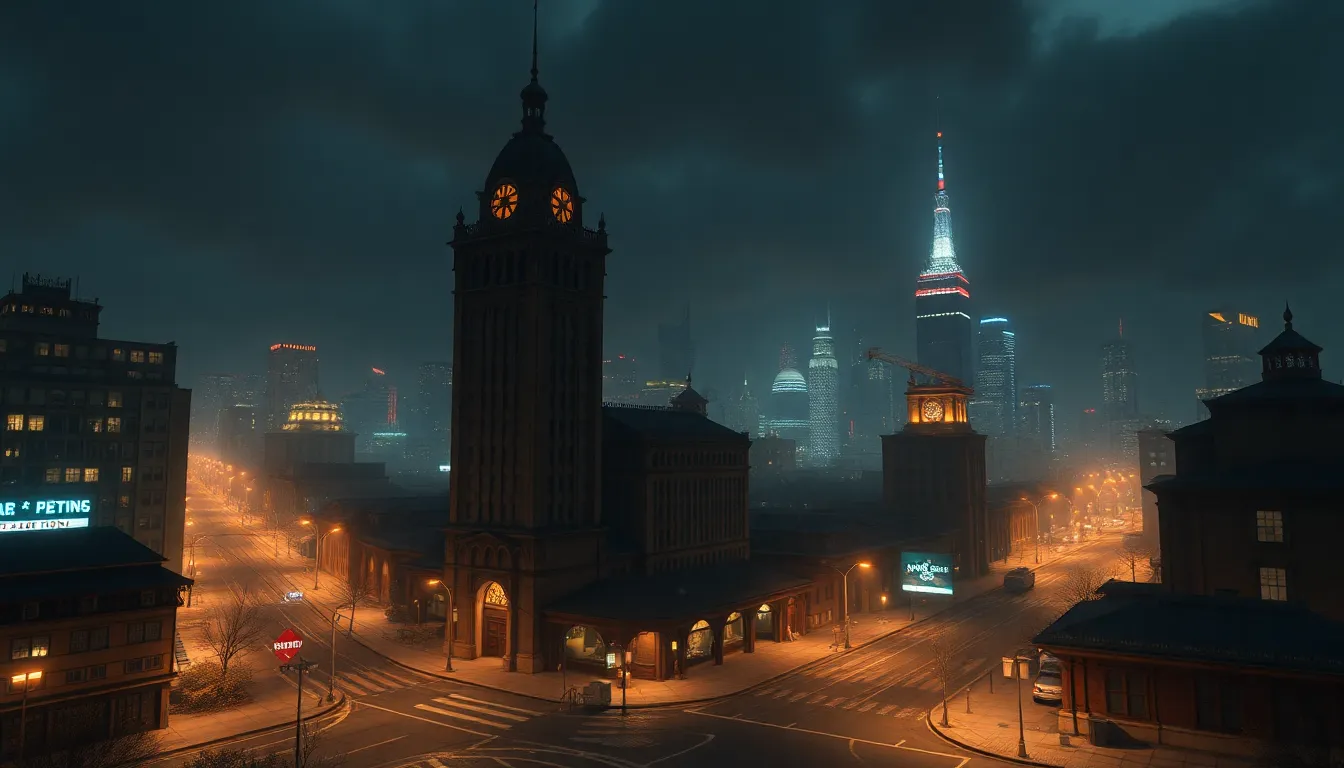
The Challenge of Temporal Lighting I’ve been watching the gaming industry’s approach to visual storytelling, and I’m genuinely impressed by the technical demands they’re tackling. Ryu Ga Gotoku’s upcoming title, Stranger Than Heaven, spans five distinct time periods across five different cities—1915, 1929, 1943, 1951, and 1965—and this presents a lighting puzzle that rivals what we face in studio photography. When you’re shooting across different eras, you’re not just changing costumes and props.