
What a $10,000 Studio Makeover Winner Teaches Us About Photographing with Purpose

What a $10,000 Studio Makeover Winner Teaches Us About Photographing with Purpose

There’s a version of studio photography that’s entirely about gear lists and modifier specs. I’ve lived in that version for years. I know the watt-second ratings on every strobe in my kit. I label every light with masking tape so I can rebuild a setup from a sketch in under four minutes. But sometimes a tutorial comes along that isn’t really about the technical side at all, and it lands harder than any lighting breakdown I’ve read this year.
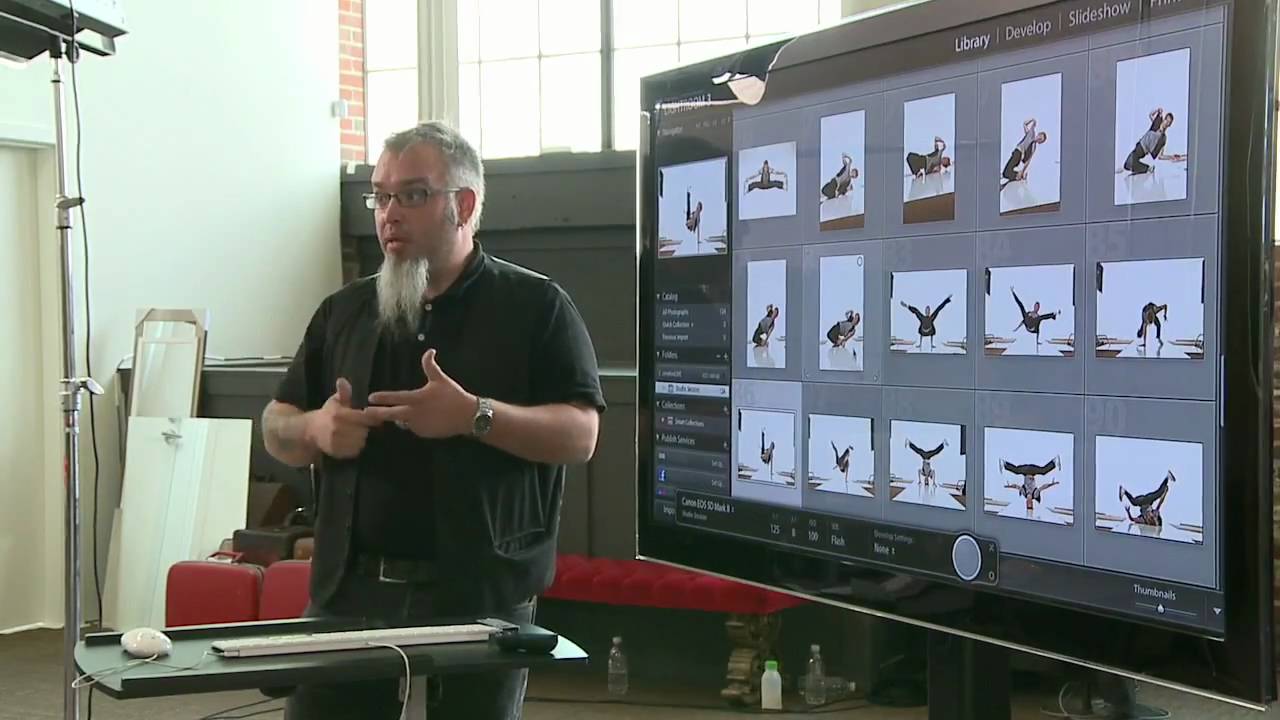
Strobe Recycle Rates Are Killing Your Shots (And You Might Not Even Know It)

Strobe Recycle Rates Are Killing Your Shots (And You Might Not Even Know It)

There’s a specific kind of frustration that doesn’t show up until you’re mid-shoot and the moment you needed is already gone. You fire, the light didn’t recycle, and the frame that comes back is either dark or flat. You assume you missed the pose. You ask your subject to reset. You try again. But the real problem isn’t the pose — it’s that your strobe couldn’t keep up with you. I’ve watched this happen to photographers who are technically solid, compositionally sharp, and still walking away from shoots with nothing usable because their gear had a ceiling they didn’t know about.

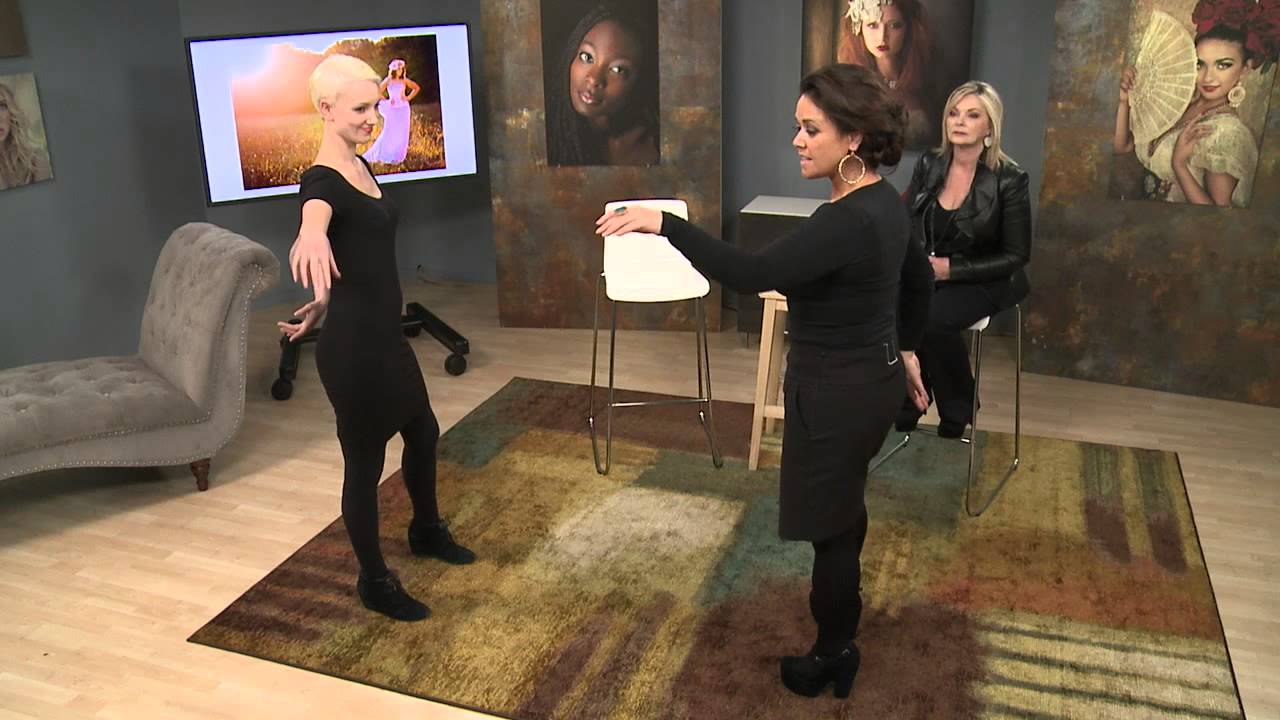
Stop Posing Hands Like an Afterthought: What Sue Bryce and Bambi Cantrell Actually Teach

Stop Posing Hands Like an Afterthought: What Sue Bryce and Bambi Cantrell Actually Teach

Hand posing is the thing that separates a portrait that looks like a DMV photo from one that looks like a campaign. I’ve been shooting commercial and editorial work in Los Angeles long enough to know that most photographers — including me, early on — treat hands as an afterthought. You get the face right, the light right, the expression right, and then you look down at the hands and they’re just… hanging there.