How Strobes Actually Freeze Motion (And Why Your Shutter Speed Is Not the Answer)

How Strobes Actually Freeze Motion (And Why Your Shutter Speed Is Not the Answer)

There is a moment on almost every athletic shoot where the ambient light humiliates you. You are in a gym, or a studio with modest overhead LEDs, and your subject is moving fast. You crank the ISO, you open the aperture, and your camera still tells you the shutter speed is somewhere around 1/60. That is not a photography problem. That is a physics problem, and the only way out of it is understanding what actually stops motion in a photograph.

Stop Believing the Flash Duration Hype: What Photographers Actually Need to Know

Stop Believing the Flash Duration Hype: What Photographers Actually Need to Know

The Marketing Machine Around Flash Duration Walk into any camera store or scroll through flash specifications online, and you’ll see manufacturers trumpeting their fastest flash durations like it’s the holy grail of lighting equipment. Faster is better, they insist. But I’ve spent years testing gear in my studio, and I need to be direct: this is mostly marketing theater designed to separate you from your money. Let me explain what’s actually happening under the hood, then we’ll talk about whether you should care.

Flash Duration Is the Spec Sheet Lie That's Been Blurring Your Shots

Flash Duration Is the Spec Sheet Lie That's Been Blurring Your Shots

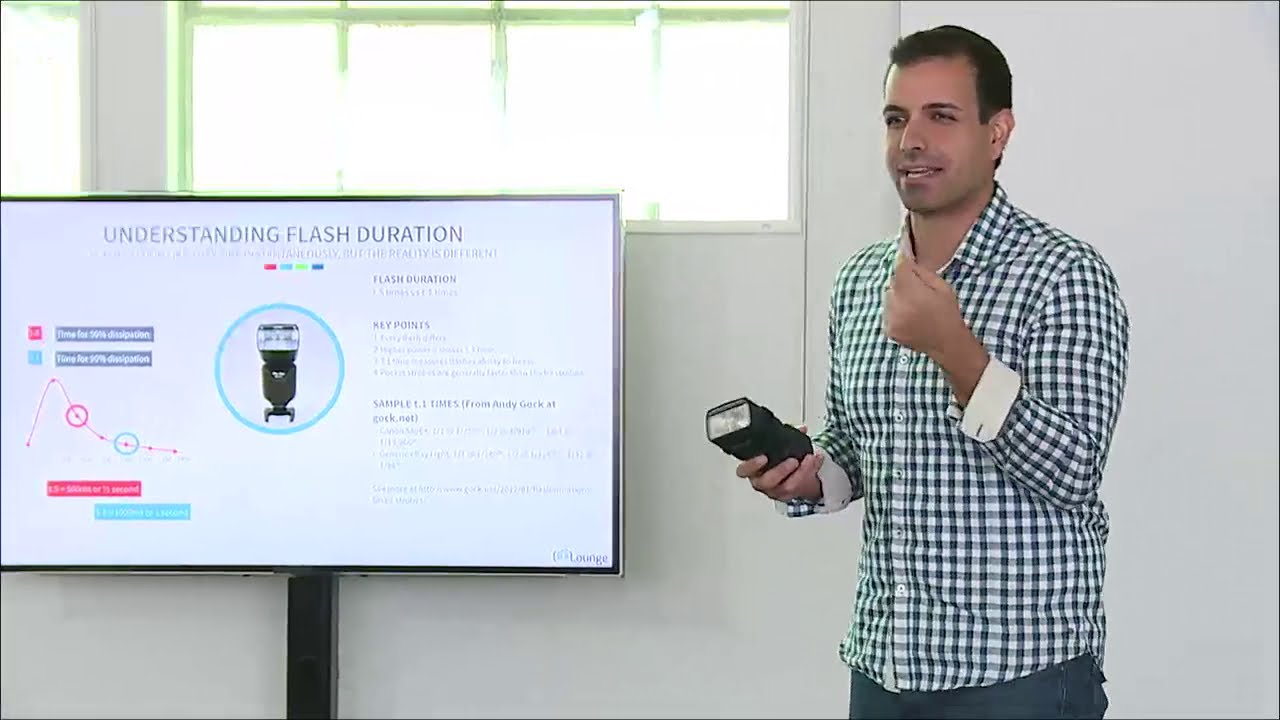
There’s a number buried in your flash’s spec sheet that most photographers never look at, and it’s quietly responsible for more soft, blurry images than any camera shake or missed focus. I spent years blaming myself for motion blur on full-power strobe shots before I understood what was actually happening inside the flash head. The spec sheet said my strobes were fast. My images said otherwise. It wasn’t until I sat down with this CreativeLive tutorial on flash duration that the whole thing finally clicked into a framework I could actually use on set.