Off-Camera Flash Triggers Explained: Which System Actually Works in a Real Shoot

Off-Camera Flash Triggers Explained: Which System Actually Works in a Real Shoot

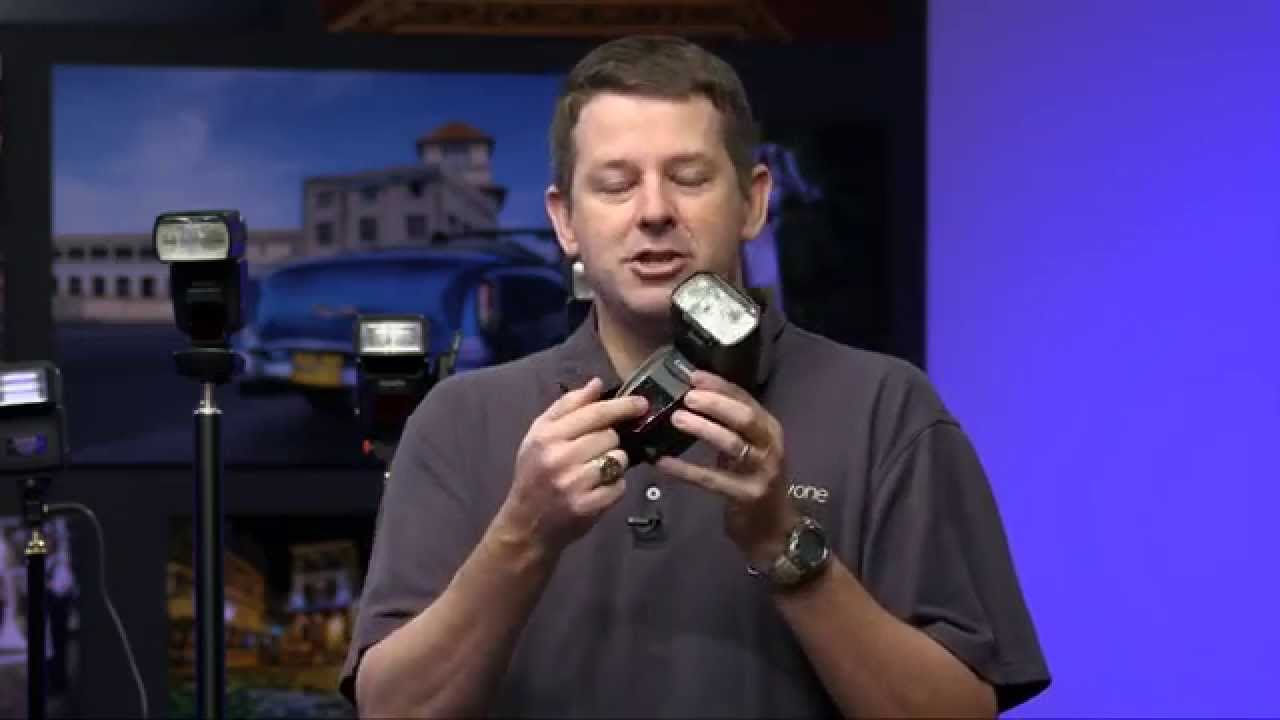
Every working photographer hits the same wall. You buy a speedlight, you pull it off the hot shoe, you set it on a stand, and then you stand there staring at it like it owes you money. Nothing fires. Nothing connects. The flash just sits there. That moment — that specific, deflating moment — is exactly what RC and Pete Collins tackle in this episode of the KelbyOne Photography Tips and Tricks series, and it’s the reason I keep recommending it to photographers who are just stepping into off-camera work.
Godox AD600 Series: A Working Photographer's Guide to Setup, Groups, and Triggers

Godox AD600 Series: A Working Photographer's Guide to Setup, Groups, and Triggers

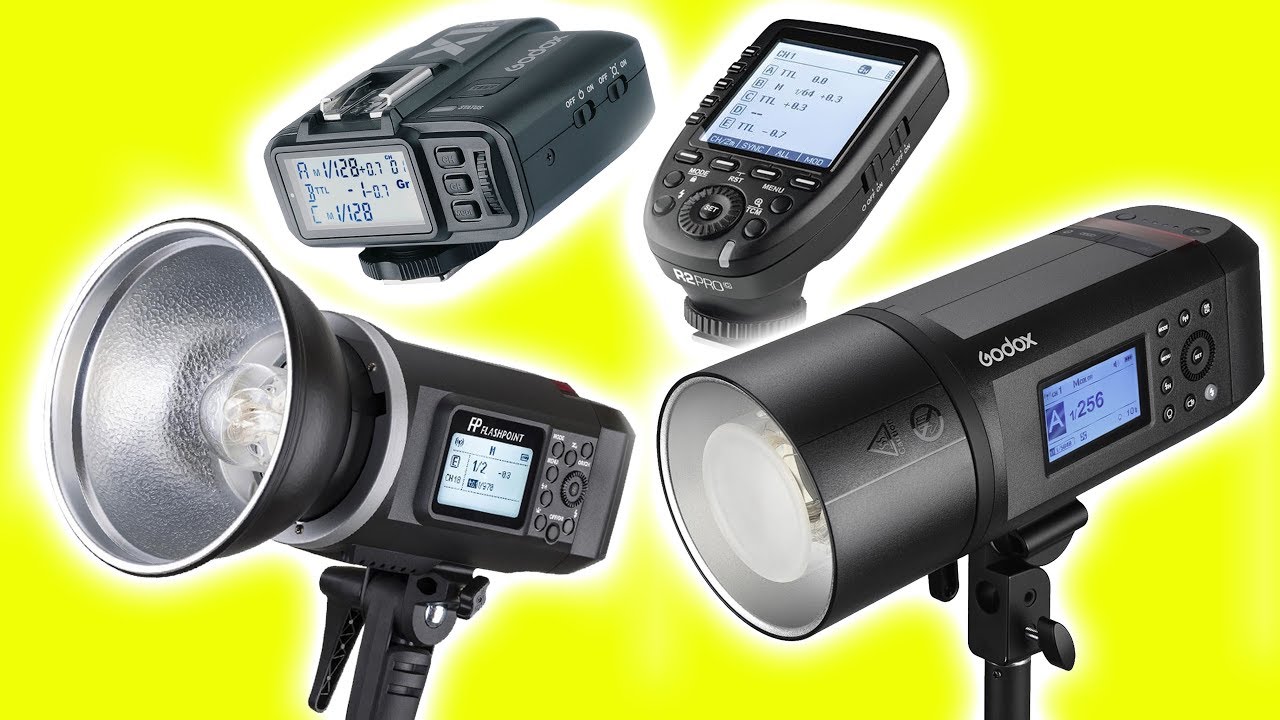
Every piece of gear I add to my kit gets tested the day it arrives. That is just how I work. So when I first unpacked the Godox AD600B, I did what I always do: I taped a label on it, plugged it in, and started poking around the menus. What I found was a system that rewards the photographer who takes twenty minutes to actually learn the controls rather than just pointing it at a subject and hoping the defaults hold up.

Off-Camera Flash Without the Guesswork: Channels, Zones, and Triggering Systems Explained

Off-Camera Flash Without the Guesswork: Channels, Zones, and Triggering Systems Explained

Every time I walk into a new studio space, the first thing I do is tape labels on every light. Masking tape, black marker, “KEY,” “FILL,” “KICKER.” It looks ridiculous. It has saved me from catastrophic mistakes more times than I can count. That habit came from learning, the hard way, that when you’re managing multiple off-camera flashes, confusion is expensive. Missed sync, wrong zone triggering the wrong light, two photographers’ systems fighting each other at an event shoot — these are real problems that happen to real working photographers.