Ring Lights Decoded: Coverage, Falloff, and the Key Light Trick Most Photographers Skip

Ring Lights Decoded: Coverage, Falloff, and the Key Light Trick Most Photographers Skip

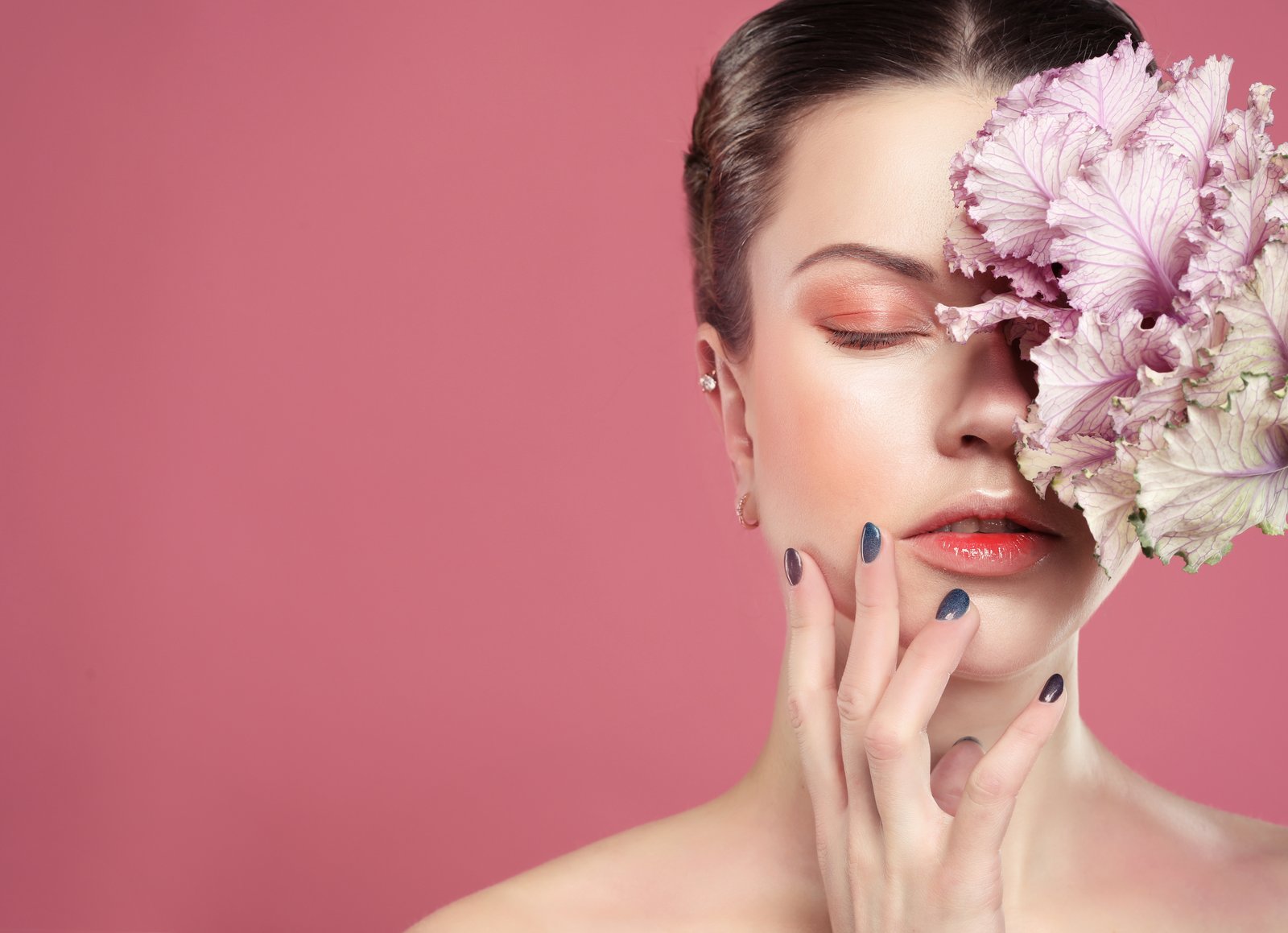
Ring lights are one of those tools that photographers either dismiss as a one-trick fashion gimmick or swear by without fully understanding what they’re actually doing to light. I’ve been in both camps. For years I used mine almost exclusively for beauty work, strapped it on, pointed it at a face, and called it a day. It took working through this tutorial — and a few frustrating nights on location shooting fashion under mixed ambient sources — before I started treating the ring light as a precision instrument rather than a shortcut.
How Peter McKinnon Lights and Rigs a YouTube Studio (And What Studio Photographers Can Steal From It)

How Peter McKinnon Lights and Rigs a YouTube Studio (And What Studio Photographers Can Steal From It)

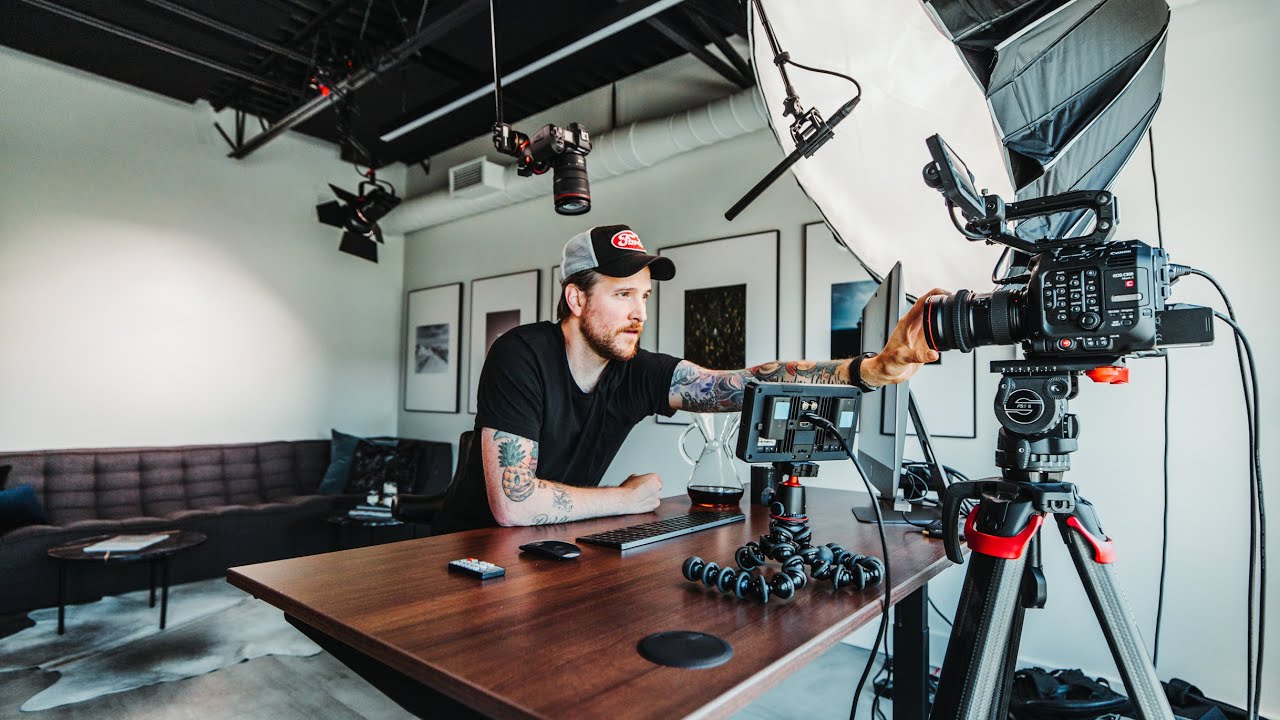
Most of my work happens in a controlled environment where I can tape a lighting diagram to the wall and repeat a setup down to the centimeter. That precision is a comfort. But lately I’ve been shooting more video content for clients, and the rules shift in ways that catch still photographers off guard. You can’t just place a softbox and call it done. You have to think about how that light reads over time, across movement, and against whatever is happening behind the frame.

How to Set Lighting Ratios Without Guessing: A Working Photographer's Breakdown

How to Set Lighting Ratios Without Guessing: A Working Photographer's Breakdown

Every working studio photographer gets asked the same question eventually: “What’s your ratio?” I used to fumble through an answer because, honestly, I learned ratios the way most of us do, backwards and through trial and error. I keep a lighting journal where I sketch every setup from every shoot, and flipping back through those early pages, I can see exactly when I started thinking in ratios rather than just vibes.

Master These Five Key Light Positions to Transform Your Portrait Work

Master These Five Key Light Positions to Transform Your Portrait Work

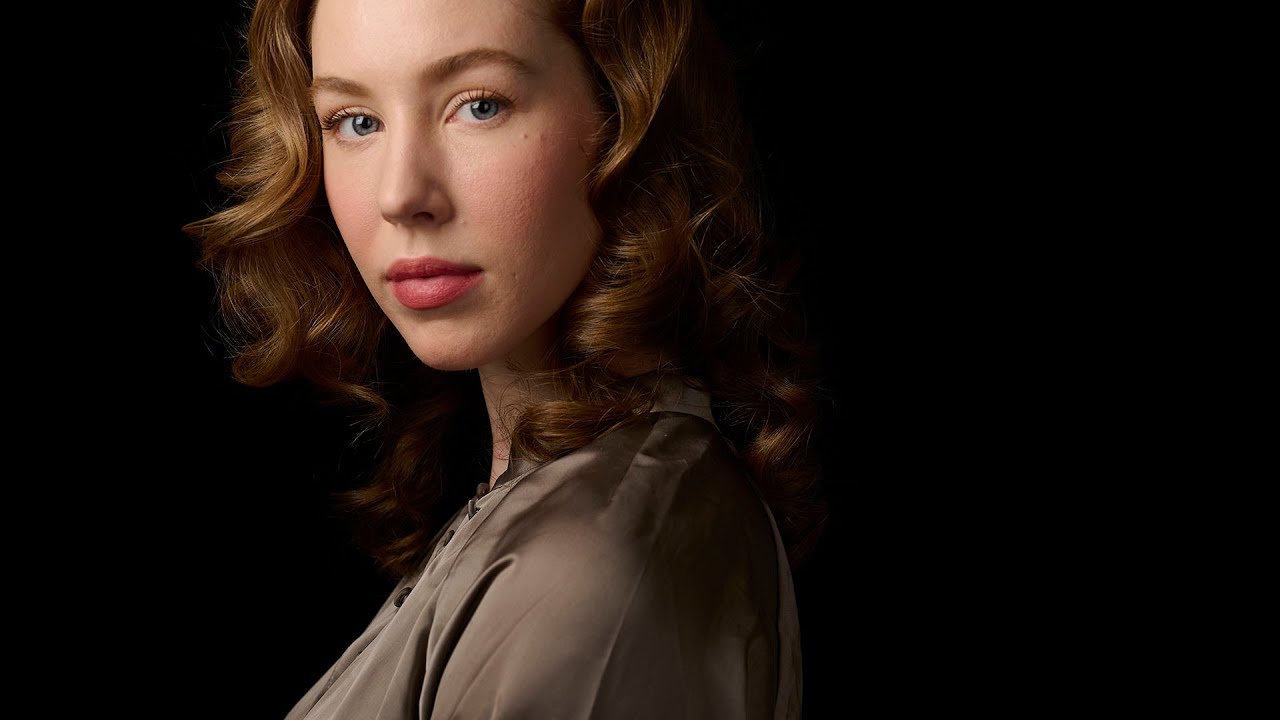
The Foundation of Studio Portraiture I’ve watched countless photographers obsess over posing angles and facial expressions—and they should. But here’s what I’ve learned through years of working in the studio: your lighting setup determines whether a portrait feels alive or falls flat. The position of your key light is the single most important decision you’ll make during a shoot, because it sculpts your subject’s face through shadow placement. Before you position another light modifier, you need to understand the five fundamental key light patterns that form the backbone of professional portrait work.

The Five Essential Portrait Lighting Patterns Every Photographer Should Master

The Five Essential Portrait Lighting Patterns Every Photographer Should Master

The Five Essential Portrait Lighting Patterns Every Photographer Should Master I’ve spent twenty years in studios across three continents, and I can tell you this with certainty: you don’t need thirty light setups. You need five. Master these patterns, and you’ll handle virtually every portrait scenario that walks through your door. Everything else is variation. Think of lighting patterns like recipes. You measure precisely, follow the sequence, and you get consistent results.