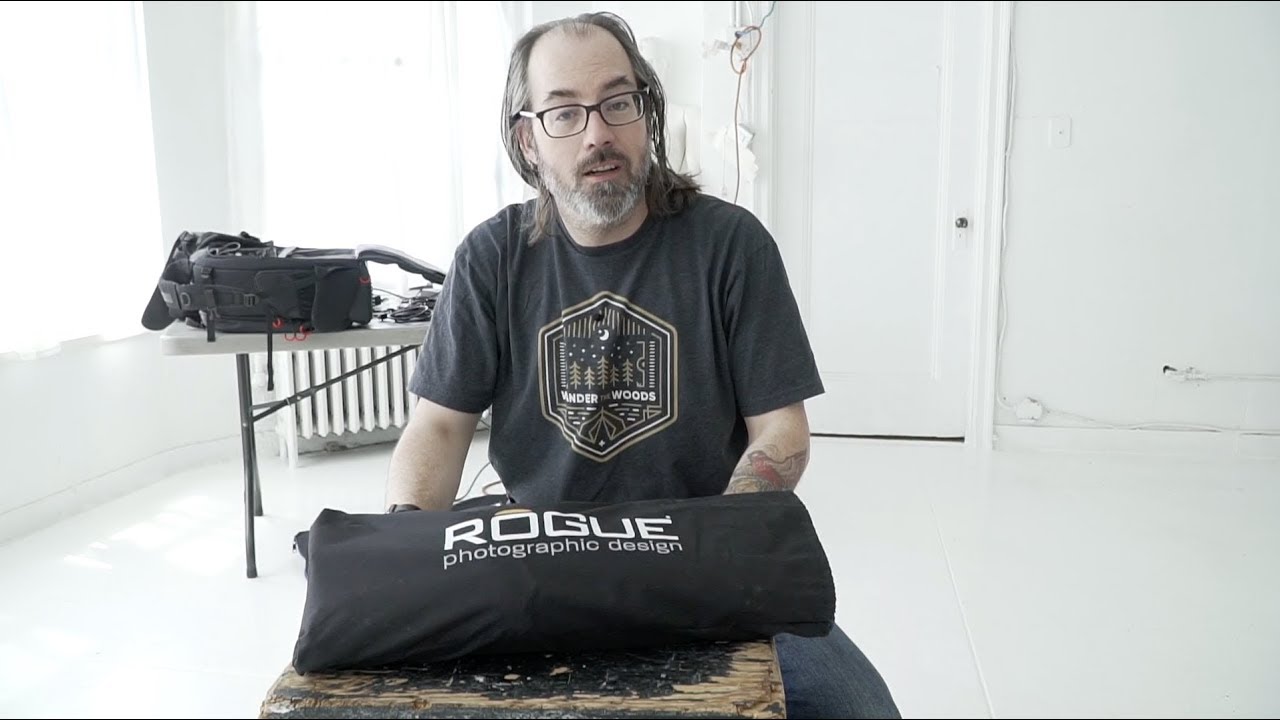
The Rogue Flashbender Kit Explained: A Studio Shooter's Take on Speedlight Modifiers

The Rogue Flashbender Kit Explained: A Studio Shooter's Take on Speedlight Modifiers

Every working studio photographer eventually hits the same wall: the job calls for location work, the client wants polished light, and your monolight stays home. Speedlights become the answer by necessity, and suddenly the quality of your modifiers matters more than you expected. I’ve been shooting commercial and editorial work long enough to know that a bare speedlight is a liability, not a tool. Controlling and shaping that small, harsh source is the entire game.
Flash Isn't Optional: A Working Photographer's Breakdown of the 4 Controls That Actually Matter

Flash Isn't Optional: A Working Photographer's Breakdown of the 4 Controls That Actually Matter

I used to think natural light was a philosophy. Somewhere in my early career I convinced myself that reaching for a flash unit was an admission of failure, like I couldn’t read a scene well enough to work with what was there. That belief cost me jobs. It definitely cost me a ruined editorial shoot early on where I misread the color temperature of the ambient light entirely and delivered a full gallery with skin tones that looked like the subjects had been airbrushed in a submarine.

The IM30Pro Changes the Game for Affordable On-Camera Flash

The IM30Pro Changes the Game for Affordable On-Camera Flash

I’ve spent enough time wrestling with aging flash units and unreliable external batteries to appreciate when a manufacturer gets the fundamentals right. Godox just did exactly that with their IM30Pro, and I think it deserves serious consideration from photographers who refuse to compromise between cost and functionality. The Bounce Head Changes Everything Let’s be direct: the ability to bounce light separates professional-looking flash work from flat, harsh on-camera snapshots. This compact unit now includes a tilting bounce head, which fundamentally alters what you can accomplish in real-world shooting conditions.

Flash Photography: Stop Apologizing and Start Mastering Your Speedlight

Flash Photography: Stop Apologizing and Start Mastering Your Speedlight

I’m tired of hearing photographers apologize for using flash. “I wish I had natural light,” they say, as if flash is some kind of failure. It isn’t. Flash is a tool that, when used correctly, gives you absolute control over your subject’s appearance. Most people just use it wrong. The problem isn’t flash itself—it’s that photographers treat it like an afterthought. They slap a speedlight on their camera’s hot shoe, aim it forward, and wonder why their subjects look washed out and one-dimensional.

Flash Photography Fundamentals: The Recipe for Consistent, Controlled Light

Flash Photography Fundamentals: The Recipe for Consistent, Controlled Light

Flash Photography Fundamentals: The Recipe for Consistent, Controlled Light I’ve spent twenty years working with flash, and I can tell you this: most photographers use it as a last resort instead of a primary tool. That’s a mistake. Flash isn’t a backup—it’s precision lighting you can carry in your bag. When you understand how to control it, you’ll never again accept flat, unpredictable ambient light. The Three Variables You Must Master Think of flash exposure like baking.