Lighting in Layers: The Framework That Changed How I Think About Every Setup

Lighting in Layers: The Framework That Changed How I Think About Every Setup

Every overcomplicated lighting setup I’ve ever seen fails for the same reason: the photographer couldn’t tell you what each individual light was actually doing. They added sources the way some people add seasoning — a little of this, a little of that — until the image looked “about right.” That approach works until it doesn’t, and when something goes wrong on set, they have no idea where to start troubleshooting. The concept of lighting in layers is the antidote to that.
How to Choose the Right Lighting Modifier Before You Ever Plug It In

How to Choose the Right Lighting Modifier Before You Ever Plug It In

Every modifier I own has a strip of masking tape on it with its name and a one-word descriptor: “wrap,” “punch,” “scatter,” “focus.” That habit came from years of working backwards, trying to diagnose why a shot looked wrong after the fact rather than predicting what a modifier would do before I fired a single frame. Early in my career I was rebuilding setups on the fly between shots, burning time and losing the client’s confidence.

Flash Modes Decoded: What Every Studio Photographer Needs to Know Before Touching a Speedlight

Flash Modes Decoded: What Every Studio Photographer Needs to Know Before Touching a Speedlight

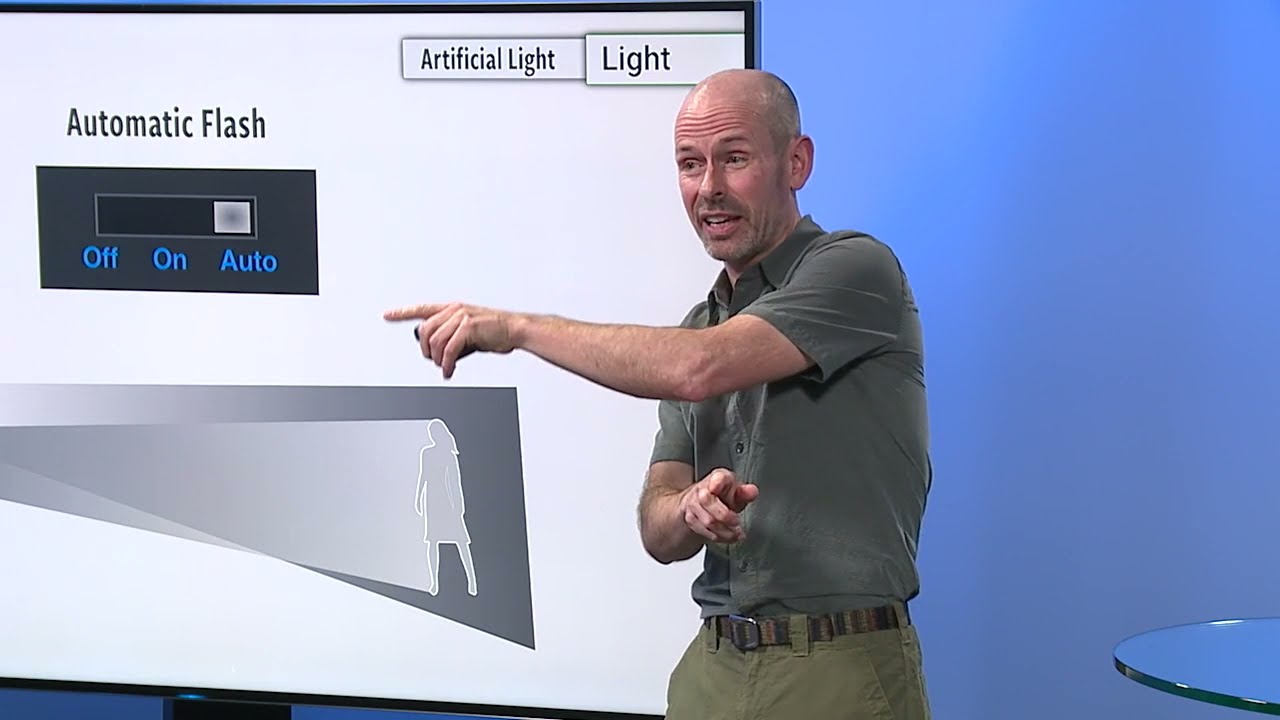
Flash is the great dividing line in photography. You can spend months getting comfortable with natural light — learning how it wraps around a face, how it changes by the hour, how to chase it and shape it – and then you pick up a speedlight and feel like you’re starting from scratch. That gap between ambient confidence and flash competence is real, and it trips up a lot of working photographers who should know better.

Everything Reflects: How to Read Light from Your Subject Outward

Everything Reflects: How to Read Light from Your Subject Outward

I keep a lighting journal. Every setup from every shoot gets a quick sketch: light positions, modifier choices, distances, the subject’s surface qualities. I started doing it after a period where I noticed my lighting decisions were reactive. I was placing lights where they felt right, then troubleshooting by moving things around until the image looked acceptable. That’s not a workflow. That’s guessing with expensive equipment. What changed my thinking was learning to ask a different question.