Why Apple's M5 Ultra Mac Studio Remains the Studio Photographer's Powerhouse

Why Apple's M5 Ultra Mac Studio Remains the Studio Photographer's Powerhouse

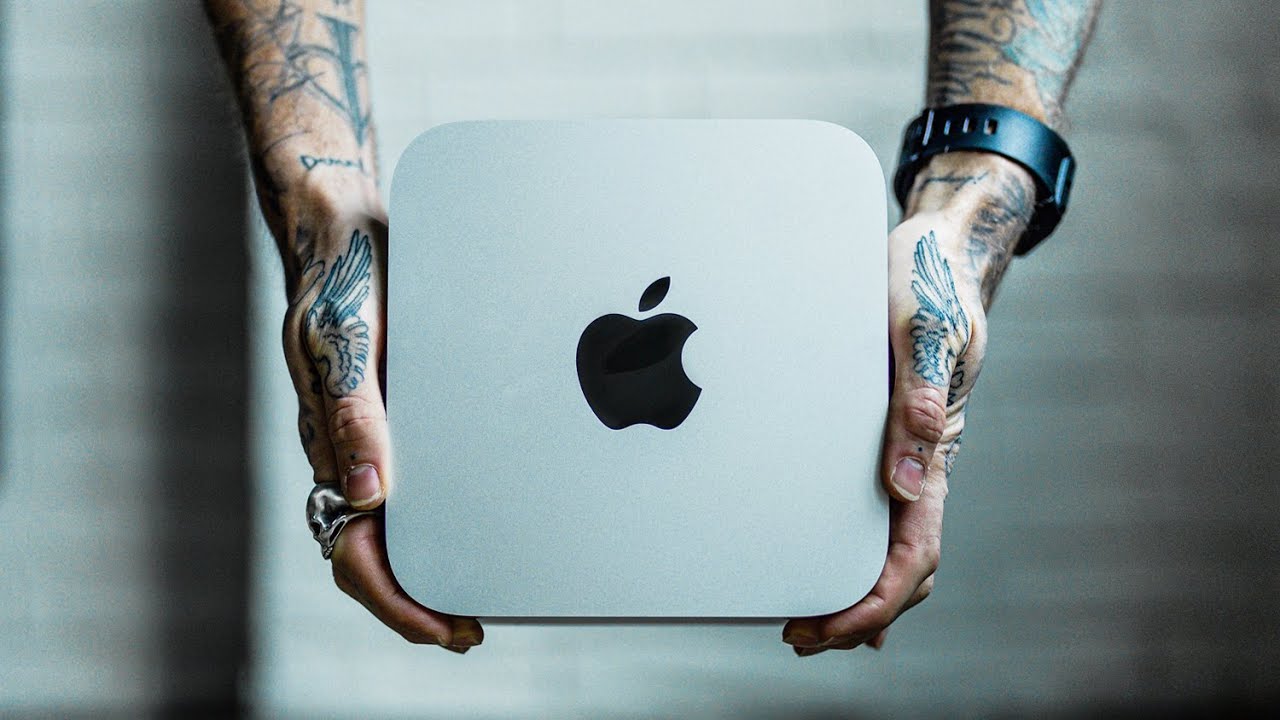
The Mac Pro Chapter Closes, But Professional Photography Workflows Live On Apple made a quiet but significant decision earlier this year: retiring the Mac Pro. What seemed like it might be devastating news for studio professionals turned out to be something else entirely. The company’s brief experiment pairing Mac Studio internals with that iconic tower housing has ended, but the real workhorse—the M5 Ultra Mac Studio itself—remains stronger than ever.

Why I've Kept a Lighting Diagram for Every Single Shoot - And Why You Should Too

Why I've Kept a Lighting Diagram for Every Single Shoot - And Why You Should Too

There’s a particular kind of frustration that comes from recreating a setup you know you’ve nailed before - but can’t quite remember how. I’ve stood in my studio staring at a photograph I made two years ago, genuinely unable to reverse-engineer my own work. What modifier was that? Where exactly was the key in relation to the subject? What was the ratio? I’ve lost more time to that guessing game than I care to admit.

How to Shoot a Live Event: Lighting, Gear, and the Etiquette Nobody Teaches You

How to Shoot a Live Event: Lighting, Gear, and the Etiquette Nobody Teaches You

Event work terrifies most studio photographers, and I’ll admit it used to rattle me too. In the studio, I control everything. Every light is labeled with masking tape, diagrammed in my phone app, and tested before the client walks in. At a live event, none of that applies. The room is what it is, the crowd moves when it wants to, and the window to get the shot is usually about three seconds wide.

The Mac Studio M1 Ultra: Why This Little Box Is Changing How I Think About Studio Infrastructure

The Mac Studio M1 Ultra: Why This Little Box Is Changing How I Think About Studio Infrastructure

Running a commercial studio in Los Angeles means I am always solving the same two problems at once: keeping the quality high and keeping the overhead from swallowing the margins. For years, the workstation question felt fixed. You bought a tower, you bolted it to a desk, and that was your anchor. When a client needed location work, you shot tethered to a laptop that could barely handle the raw files from a medium-format back without grinding.

How Peter McKinnon Organizes a Working Studio (And What It Taught Me About My Own)

How Peter McKinnon Organizes a Working Studio (And What It Taught Me About My Own)

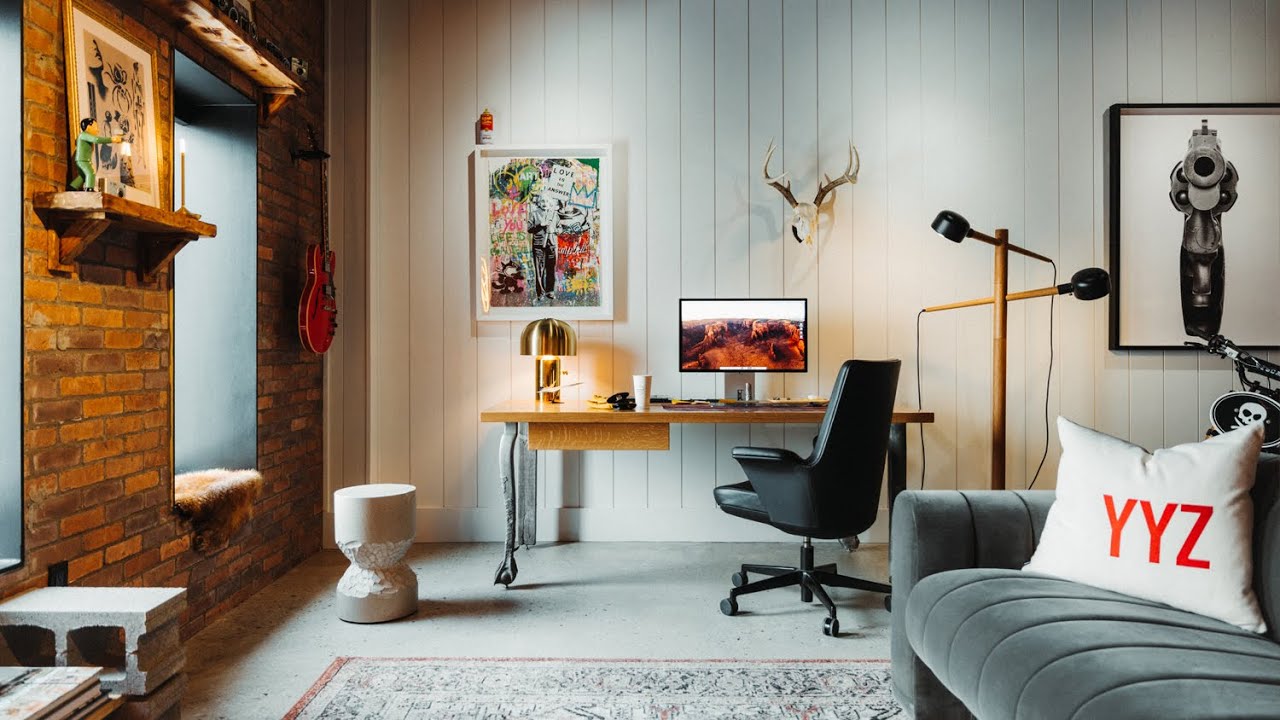
Every few years I tear my studio apart and rebuild it from scratch. Not because something broke, but because the friction adds up. I spend four minutes hunting for a specific cable. I skip a modifier because it’s buried behind two light stands. I find myself standing in the middle of the room deciding where to put something instead of actually shooting. The space stops serving the work and starts fighting it.