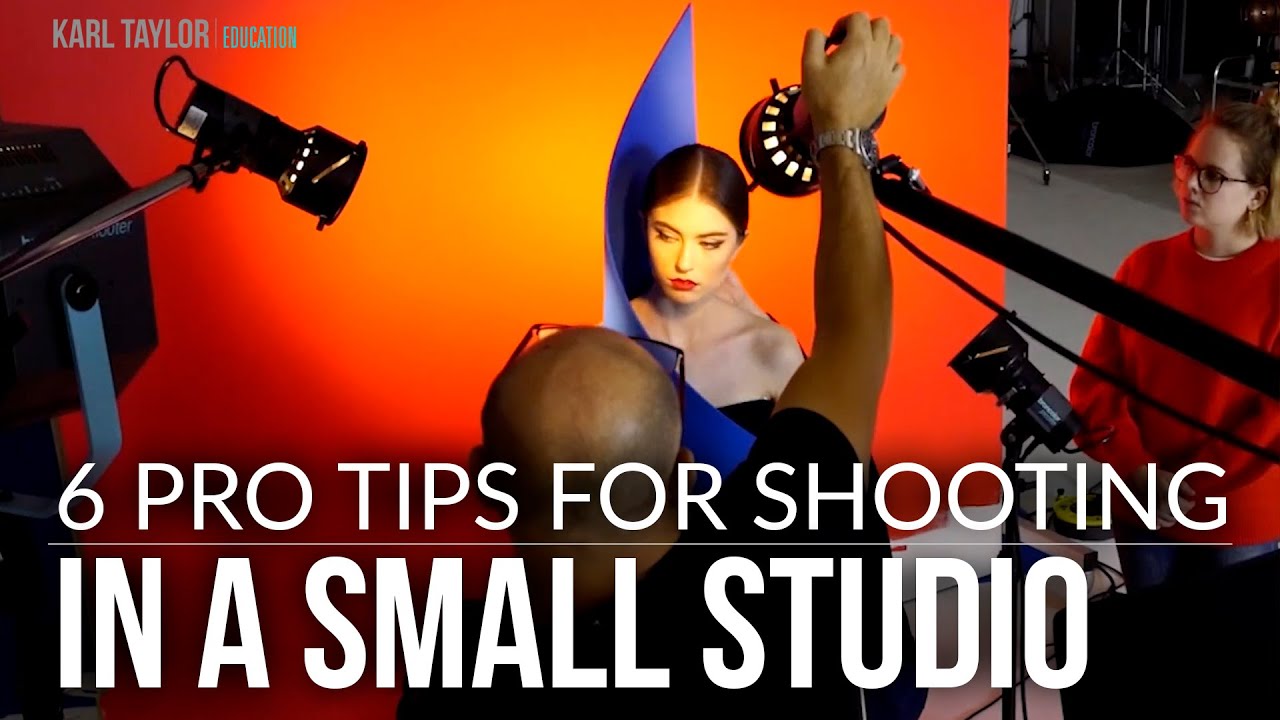
Small Studio, Pro Results: 6 Lighting Principles That Actually Hold Up

Small Studio, Pro Results: 6 Lighting Principles That Actually Hold Up

I shoot a fair amount of my commercial work in rental studios, and some of those spaces are genuinely cramped. We’re talking eight feet of usable width after you account for the background stand, the subject, and wherever I’m standing with a camera. For years I assumed tight spaces were just a limitation to route around. Then I started paying closer attention to the physics of what was actually happening with my light, and the problem became a lot more manageable.
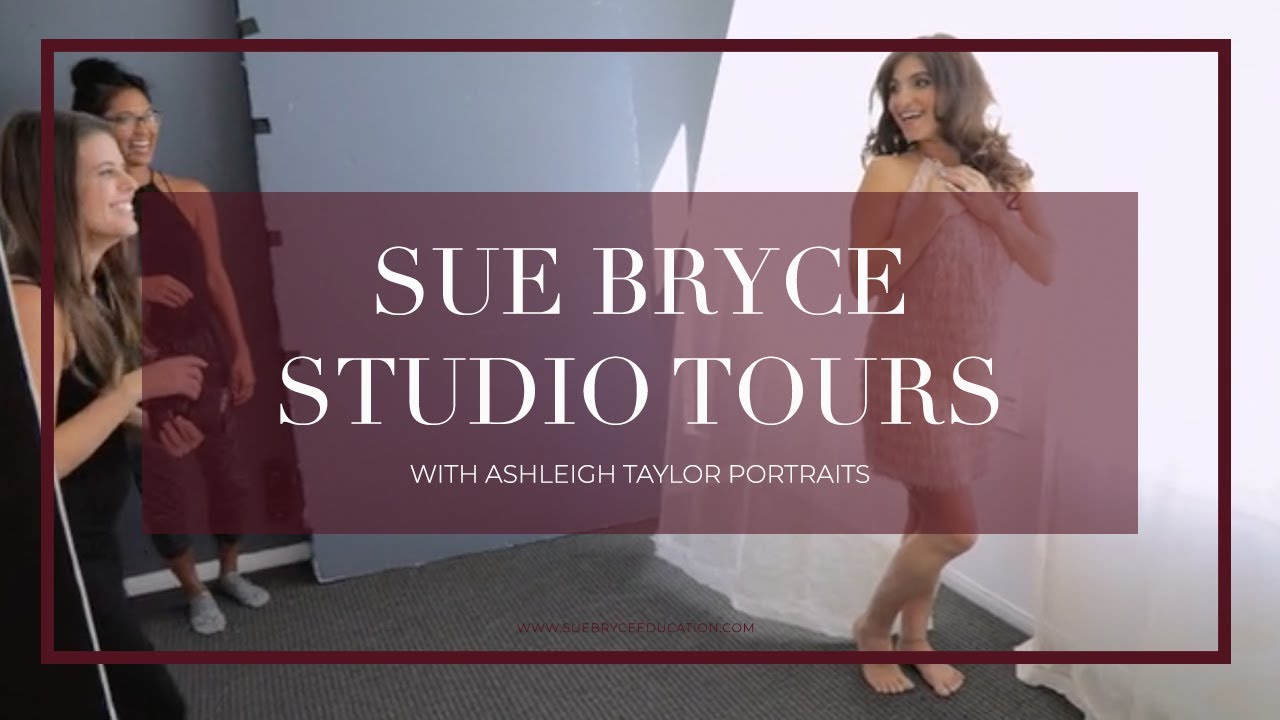
Small Studio, Strong Light: What Ashleigh Taylor's 300-Square-Foot Space Teaches Every Portrait Photographer

Small Studio, Strong Light: What Ashleigh Taylor's 300-Square-Foot Space Teaches Every Portrait Photographer

Space is the excuse I hear more than any other. Photographers tell me they need a bigger studio before they can do serious portrait work, before they can justify the rent, before they can start building a client base. I spent years believing a version of that myself. My first Los Angeles studio was just over 400 square feet and I treated it like a limitation rather than a constraint worth solving.

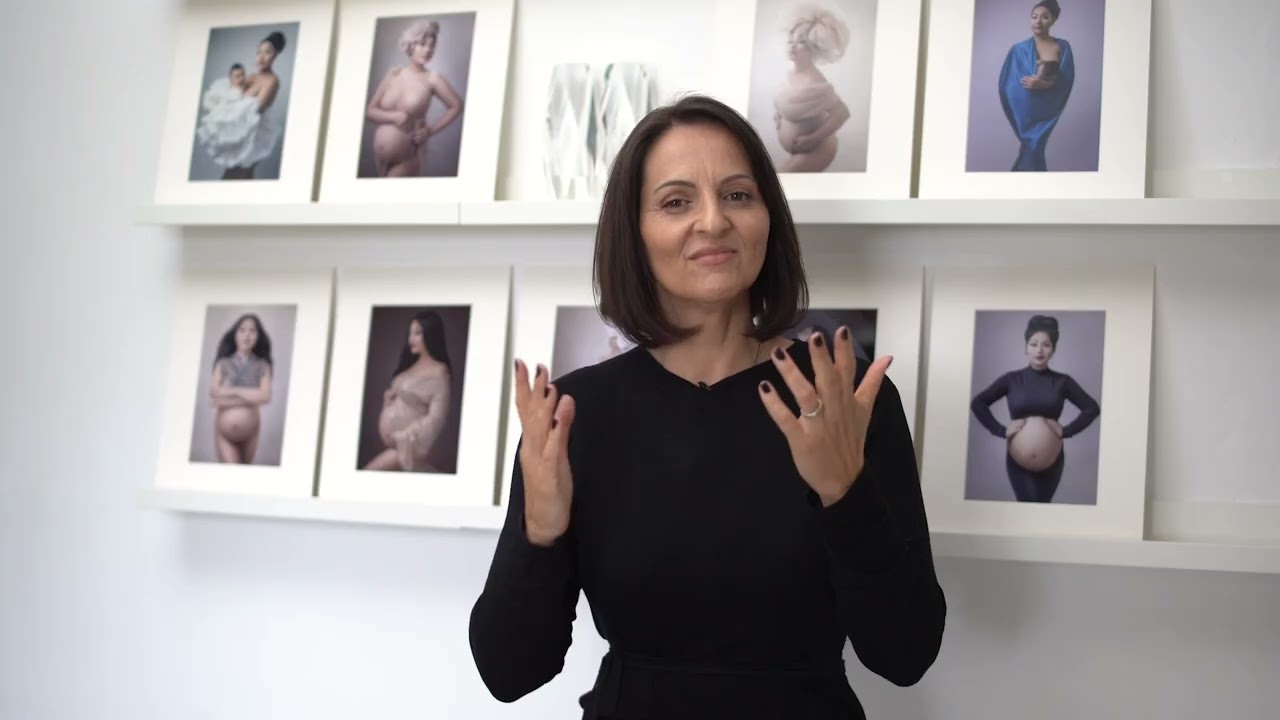
Small Studio, Smart System: What Felicia Schütte's Bonaire Setup Taught Me About Working in Tight Spaces

Small Studio, Smart System: What Felicia Schütte's Bonaire Setup Taught Me About Working in Tight Spaces

I shoot out of a 400-square-foot space in Los Angeles. That sounds like plenty until you factor in two light stands, a boom arm, a seamless backdrop roll, a prop corner, and enough floor space to actually move around your subject. Square footage disappears fast, and the photographers who figure out how to make a small room work well are the ones worth studying closely. When I came across this studio tour from The Portrait System featuring Felicia Schütte, a Portrait Masters Fellow working out of the island of Bonaire in the Dutch Caribbean, I watched it twice.