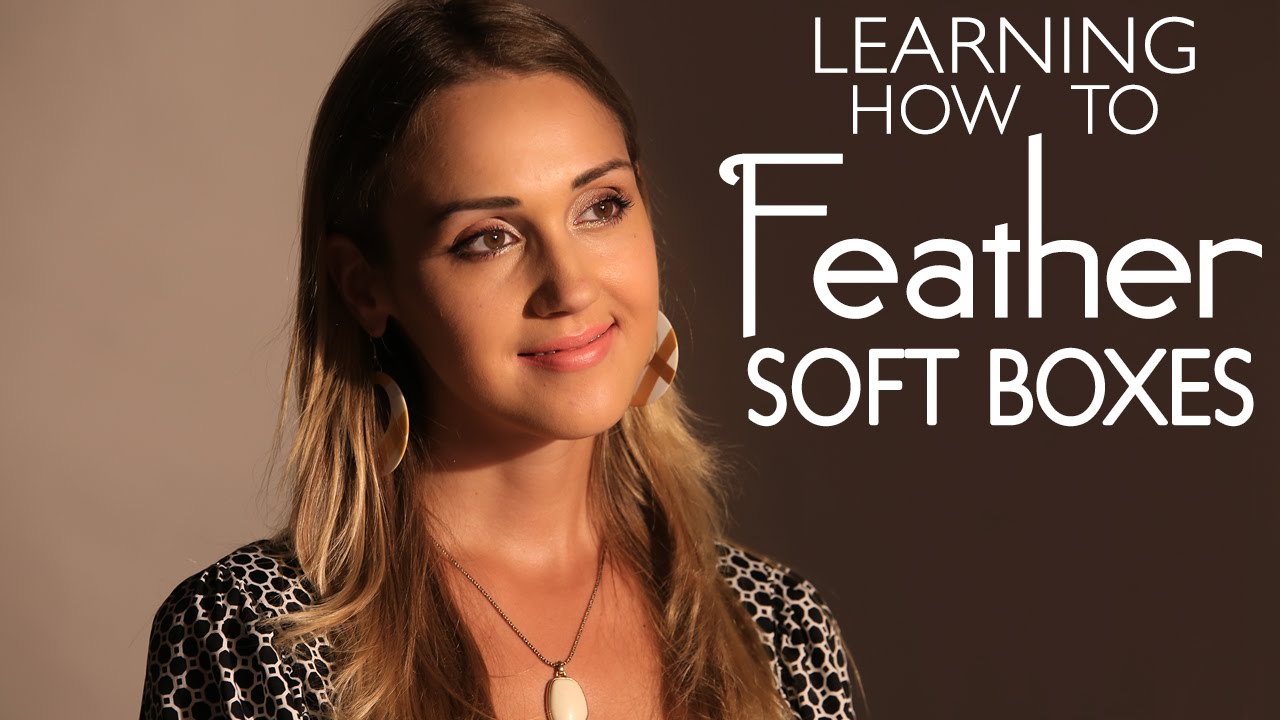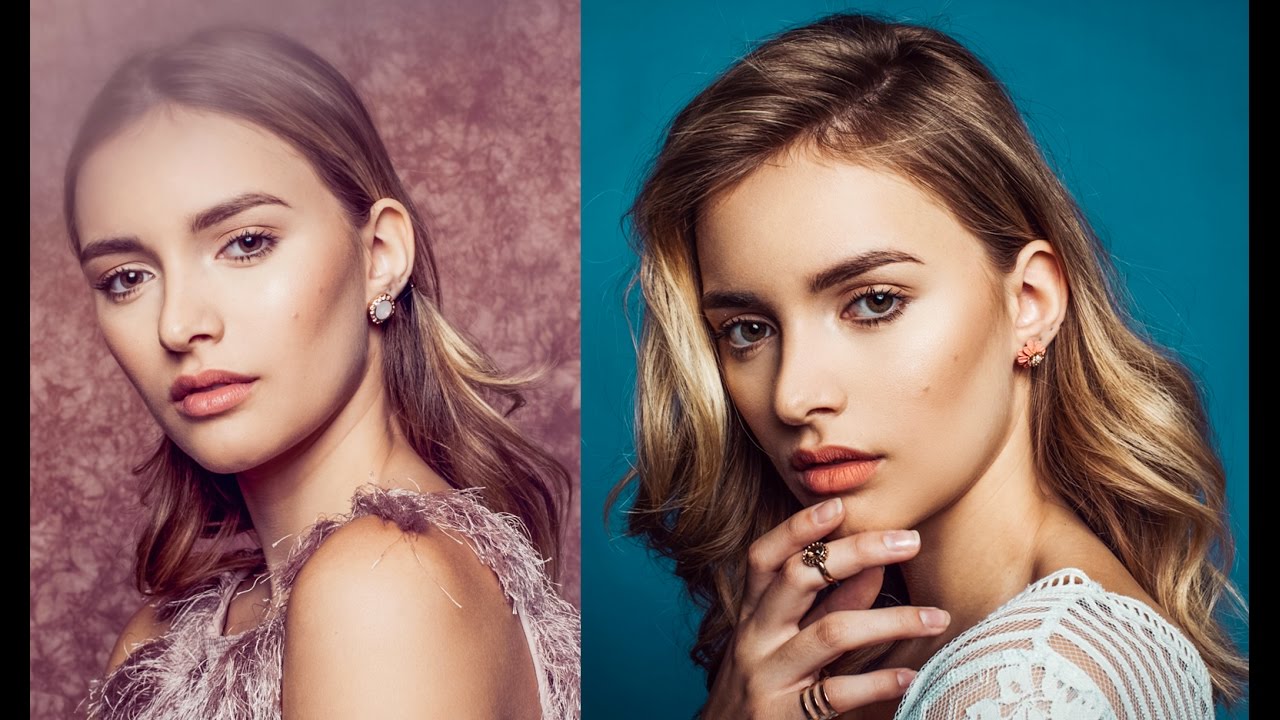
Softbox Basics Done Right: What Jessica Kobeissi's 50mm Studio Shoot Actually Teaches You

Softbox Basics Done Right: What Jessica Kobeissi's 50mm Studio Shoot Actually Teaches You

Studio work has a way of exposing every gap in your technique. On location, the environment does half the work for you. A concrete wall, a patch of shade, a passing cloud. In the studio, it’s just you, your lights, and whatever you’ve learned. I’ve shot in controlled environments for over fifteen years and I still set up my softbox the night before a client job, dial it in, and sketch the setup in my notebook before I go to bed.
The Single Softbox Myth: Why Your Lighting Setup Isn't the Problem

The Single Softbox Myth: Why Your Lighting Setup Isn't the Problem

The Single Softbox Myth: Why Your Lighting Setup Isn’t the Problem I’ve watched countless photographers obsess over acquiring new modifiers when the real issue sits right in front of them: they’re not fully exploiting what they already own. A softbox is simultaneously one of the most versatile and most underutilized tools in studio photography, and I think we need to talk about why. Stop Following the Textbook Placement Here’s what I’ve observed after years of teaching and shooting: photographers learn the “correct” softbox placement—typically at a 45-degree angle, roughly at eye level—and then they never move it again.

Choosing the Right Softbox for the Job: A Practical Studio Lighting Breakdown

Choosing the Right Softbox for the Job: A Practical Studio Lighting Breakdown

Every softbox decision I make on a commercial shoot comes down to one question: what do I want the shadows to do? Not where do I want the light to come from, but what should happen on the dark side of the face, the shoulder, the background. That single reframe changed how I shop for modifiers, how I label them on my studio shelves, and how I plan setups before a single strobe fires.

Feathering Your Softbox: The One Adjustment That Separates Controlled Light from Flat Light

Feathering Your Softbox: The One Adjustment That Separates Controlled Light from Flat Light

There’s a specific kind of frustration I know well. You’re on location, you’ve set the softbox, taken your first frame, and everything is lit. The ground. The background. The subject’s shoes. The fence nobody asked for. The light is doing its job technically, but the image looks like a police procedural, not a portrait. For years, I adjusted power output trying to solve a problem that was never about power. It was about aim.