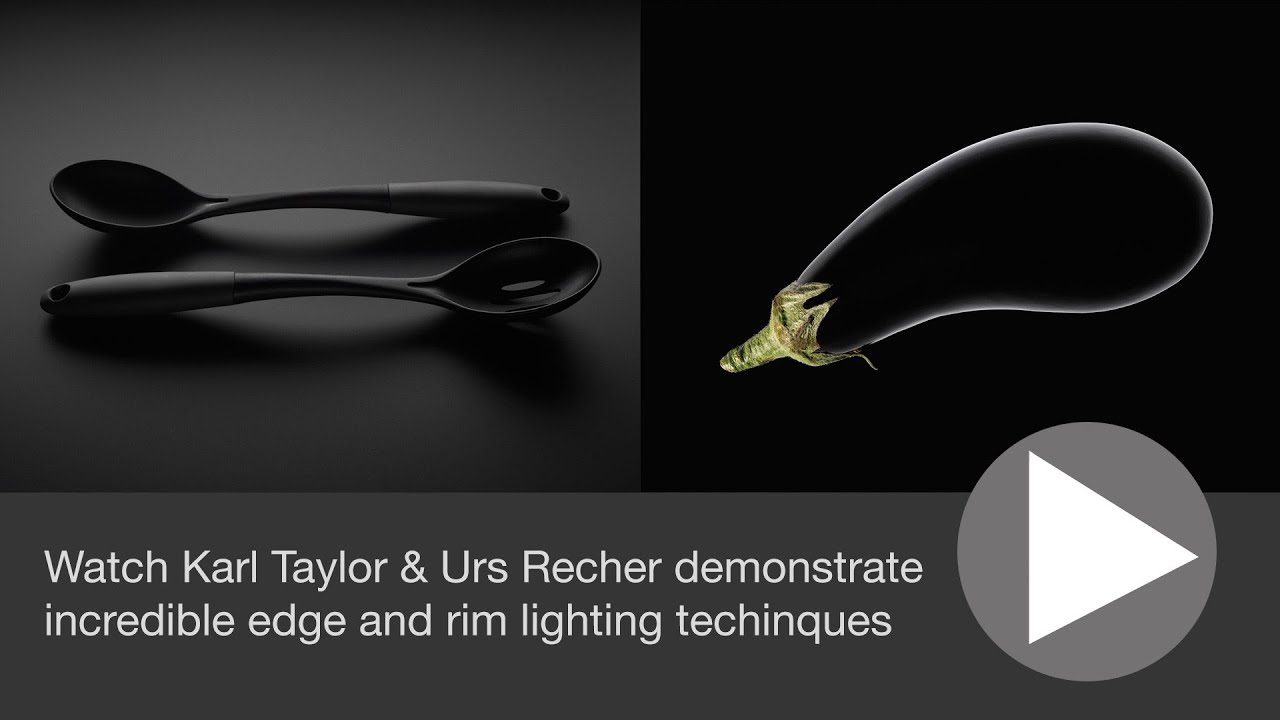
Black on Black, Edge to Edge: What Broncolor's Still Life Tutorial Taught Me About Precise Light Control

Black on Black, Edge to Edge: What Broncolor's Still Life Tutorial Taught Me About Precise Light Control

Still life work punishes sloppy lighting faster than almost any other discipline. There’s no subject to charm the camera, no personality to carry a mediocre frame. It’s just the object, the surface, and whatever light you decided to put where. I’ve shot enough product work for beauty brands to know that the shots people remember are almost always built on one or two precise light sources doing exactly what they were placed to do, not six lights fighting each other into a flat, gray mush.
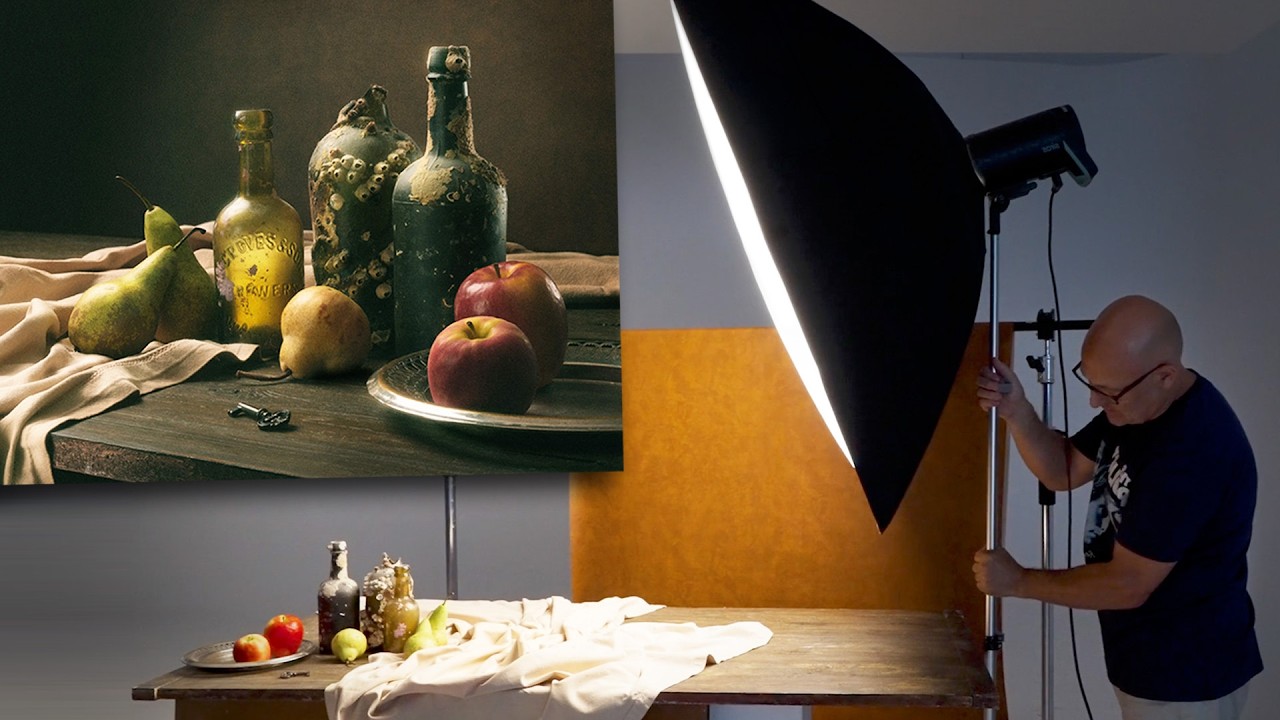
One Light, One Lesson: How a Renaissance Still Life Setup Will Change the Way You See

One Light, One Lesson: How a Renaissance Still Life Setup Will Change the Way You See

There is a particular kind of photographer who believes more gear equals better work. I was that photographer for a while. Early in my commercial career I was stacking lights, adding modifiers, filling every shadow, and wondering why my still life work felt flat and lifeless despite all the hardware pointed at it. What I eventually learned, the hard way, is that complexity hides ignorance. When you have four lights in a setup, you can mask a weak understanding of how light actually behaves.

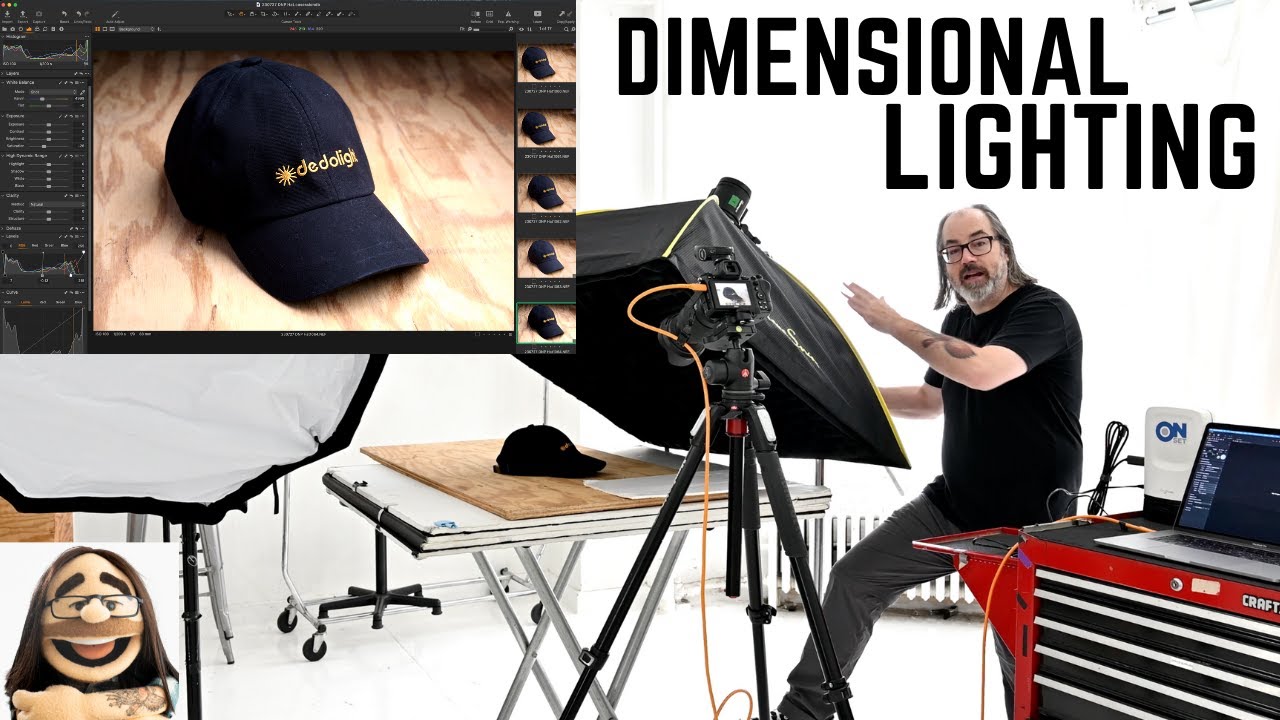
How to Light Still Life with Real Depth: A Breakdown of Daniel Norton's Two-Light Setup

How to Light Still Life with Real Depth: A Breakdown of Daniel Norton's Two-Light Setup

Still life and product work has a reputation for being straightforward. One light, white background, done. And sure, that approach gets the job done for basic e-commerce. But the moment a client wants something that feels tactile, something that makes a viewer want to reach out and pick up the object, flat lighting becomes the enemy. I run into this constantly. A beauty brand will ask for a shot that “pops off the page,” and what they’re really asking for is dimensionality, shadow, a sense that the product exists in physical space rather than floating in a void.