Strobe Plus Reflector: The Two-Light Location Setup That Does the Work of Three

Strobe Plus Reflector: The Two-Light Location Setup That Does the Work of Three

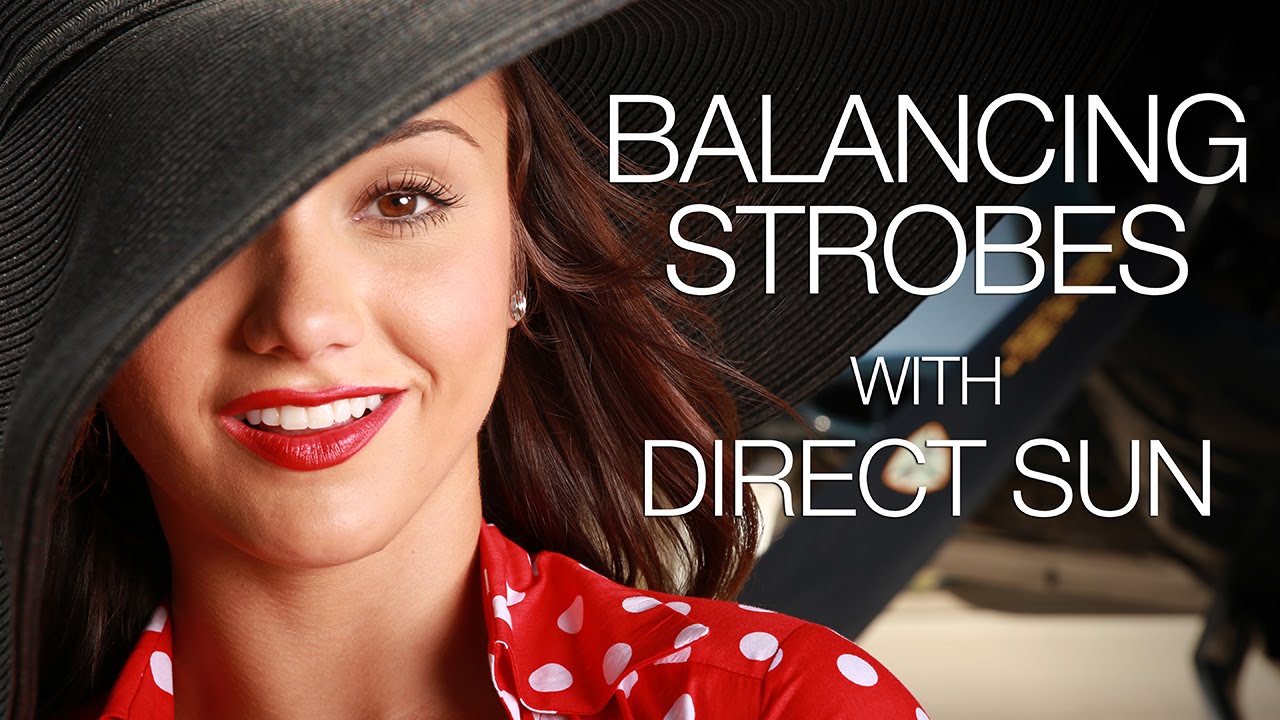
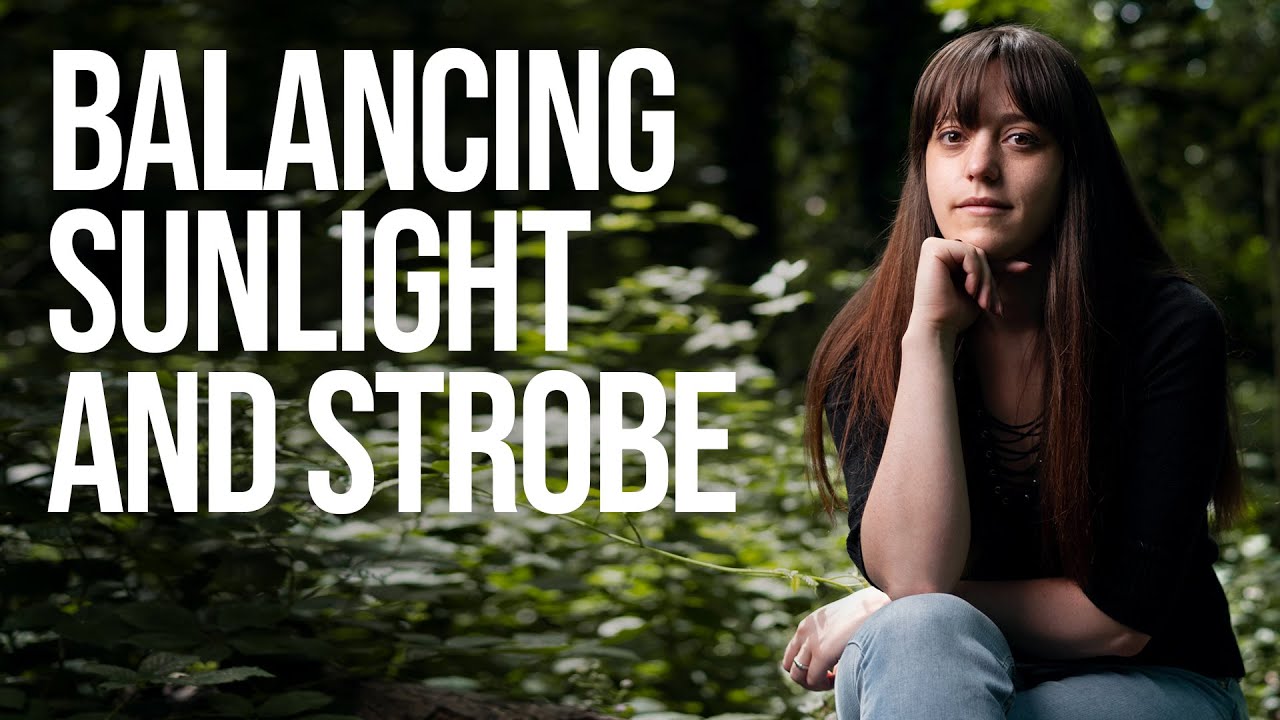
There’s a specific frustration that comes up on almost every outdoor portrait shoot, and if you’ve been doing this long enough, you know exactly what I mean. You meter for the sky, and your subject goes dark. You expose for your subject, and the sky blows out. You’re constantly trading one problem for another, and no amount of reflector-wrangling fully closes the gap. It’s the kind of thing that used to derail my editorial work before I got disciplined about treating ambient and artificial light as two separate, controllable variables rather than one problem to compromise on.

How to Make Strobe Lighting Look Like It Actually Belongs in the Scene

How to Make Strobe Lighting Look Like It Actually Belongs in the Scene

I’ve shot enough location work to know that “it looks strobe lit” is one of the worst things a client can say about a finished image. The subject is sharp, the exposure is right, and somehow the whole thing still looks fake. The light sits on top of the scene instead of inside it. For years I treated this as an ambient light problem, something to fix in post or avoid by shooting faster at dusk.

Use Depth of Field as a Design Decision, Not an Afterthought: Lessons from Vasquez Rocks

Use Depth of Field as a Design Decision, Not an Afterthought: Lessons from Vasquez Rocks

Most of my work happens in a controlled studio environment where I can label every light with masking tape, dial in my ratios, and sketch the setup in my lighting journal before I fire a single frame. But location work strips all of that away. The background is whatever it is. The sun moves whether you want it to or not. And if you haven’t thought through how your lens choice and aperture are going to shape the image before you arrive, you end up fighting the environment instead of using it.

How to Hand Off from Natural Light to Strobes Without Losing the Sky

How to Hand Off from Natural Light to Strobes Without Losing the Sky

There is a specific kind of panic that hits when you are on location, the ambient light is dropping faster than you planned, and you still have half your shot list to finish. I have been there more times than I care to count, and for years my solution was either to push ISO until the image fell apart or to pack up and reschedule. Neither option is acceptable when a client is standing next to you.

Flash Duration Is the Spec Sheet Lie That's Been Blurring Your Shots

Flash Duration Is the Spec Sheet Lie That's Been Blurring Your Shots

There’s a number buried in your flash’s spec sheet that most photographers never look at, and it’s quietly responsible for more soft, blurry images than any camera shake or missed focus. I spent years blaming myself for motion blur on full-power strobe shots before I understood what was actually happening inside the flash head. The spec sheet said my strobes were fast. My images said otherwise. It wasn’t until I sat down with this CreativeLive tutorial on flash duration that the whole thing finally clicked into a framework I could actually use on set.

Never Run Out of Juice on Location: Joel Grimes' Battery Pack System for Strobe Shooters

Never Run Out of Juice on Location: Joel Grimes' Battery Pack System for Strobe Shooters

There is one specific kind of dread I know too well: standing on a location shoot, three lights running, no outlet within a hundred yards, and a battery indicator that is not cooperating. I have been doing commercial work long enough to know that power logistics are not glamorous, but they will end your shoot faster than bad light ever will. When I first started doing outdoor work for fashion clients here in Los Angeles, my entire power strategy was “stay close to a building.

One Light Is Enough: How a Single Strobe Can Outwork a Five-Head Setup

One Light Is Enough: How a Single Strobe Can Outwork a Five-Head Setup

The Overcomplicated Studio Is Usually a Confidence Problem I have a masking tape label on every light in my studio. “Key 1.” “Fill Left.” “Rim A.” When I started out, I thought having more labeled lights meant I was doing more serious work. I was wrong. Some of my best-performing editorial images, pieces that ran in print and got licensed multiple times, came from a single Profoto B10 and a 5-foot Octabox.

Low Key Lighting Is Not About Darkness — It's About Where You Put the Light

Low Key Lighting Is Not About Darkness — It's About Where You Put the Light

The Mistake Most Photographers Make Before They Fire a Single Frame I see it constantly when photographers share their “low key” work in forums and at workshops. They’ve turned off half their lights, dropped their exposure compensation, and ended up with something that looks muddy, flat, and confused. Dark, yes. Low key, no. Low key lighting is not a dimmer switch. It is a deliberate, surgical relationship between one controlled light source and an environment designed to absorb everything that light doesn’t hit.

One Light, Done Right: How a Single Strobe Can Outperform a Five-Light Setup

One Light, Done Right: How a Single Strobe Can Outperform a Five-Light Setup

The Overcomplicated Studio Is Usually a Confidence Problem Early in my career I watched a photographer I deeply respected spend forty-five minutes adjusting a six-light setup for a headshot. He kept adding lights to fix problems the previous lights had created. A rim light to separate the subject from the background. A hair light to compensate for the rim light killing the shadow detail. A kicker on the opposite side because now the image felt unbalanced.

Rim Lighting Done Right: The Setup That Separates Flat Studio Shots from Images That Actually Sell

Rim Lighting Done Right: The Setup That Separates Flat Studio Shots from Images That Actually Sell

I pulled a tear-out from a magazine once, a full-page beauty editorial, and spent about forty minutes staring at the catchlights and shadow edges trying to reverse-engineer the setup. Two rim lights, one key, a reflector below the chin. I sketched it in my lighting journal, taped it to the wall, and built it. The first test frame looked almost identical to the tear-out. That was the day I understood that rim lighting is not a creative accident.

One Light Is Enough: How a Single Strobe Teaches You Everything You've Been Ignoring

One Light Is Enough: How a Single Strobe Teaches You Everything You've Been Ignoring

The Most Expensive Mistake I See in Studios Every time a photographer tells me they need a third or fourth light to fix a problem, I make them turn off everything except one strobe. Not as a punishment. As a diagnosis. Most lighting problems are not problems of quantity. They are problems of understanding. When you pile on fill lights, hair lights, and background lights before you understand what your key light is actually doing, you are decorating a problem rather than solving it.

One Light, Done Right: How a Single Strobe Can Outwork a Five-Head Setup

One Light, Done Right: How a Single Strobe Can Outwork a Five-Head Setup

I used to own eleven lights. I counted them once while reorganizing my studio on a slow Tuesday, and the number genuinely embarrassed me. Not because eleven is too many, but because I could trace the purchase of at least four of them to insecurity. Some shoot went sideways, and my instinct was to buy another head, another fill, another hair light, as if more gear would paper over whatever I didn’t understand yet.