Kitchen Light: How to Photograph a Bottle with Zero Studio Gear

Kitchen Light: How to Photograph a Bottle with Zero Studio Gear

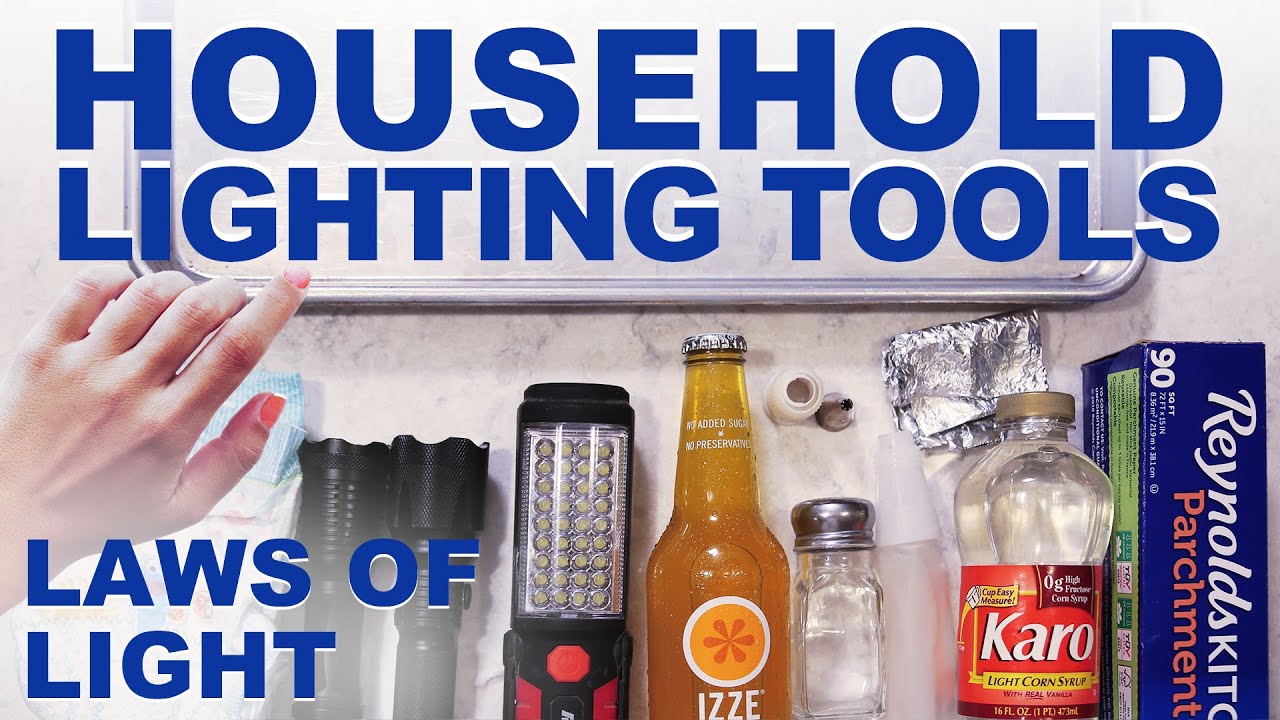
Every commercial photographer hits the same wall at some point: a client wants a polished product shot, you’re not in your studio, and the gear list you’d normally pull from is nowhere within reach. I’ve been in that position more than once, and it has a way of clarifying what you actually understand about light versus what you’ve been leaning on your equipment to solve. That’s why I keep coming back to constraint-based tutorials whenever I want to sharpen my eye.

Short Lighting Is My Default Dramatic Setup — Here's How to Build It Right

Short Lighting Is My Default Dramatic Setup — Here's How to Build It Right

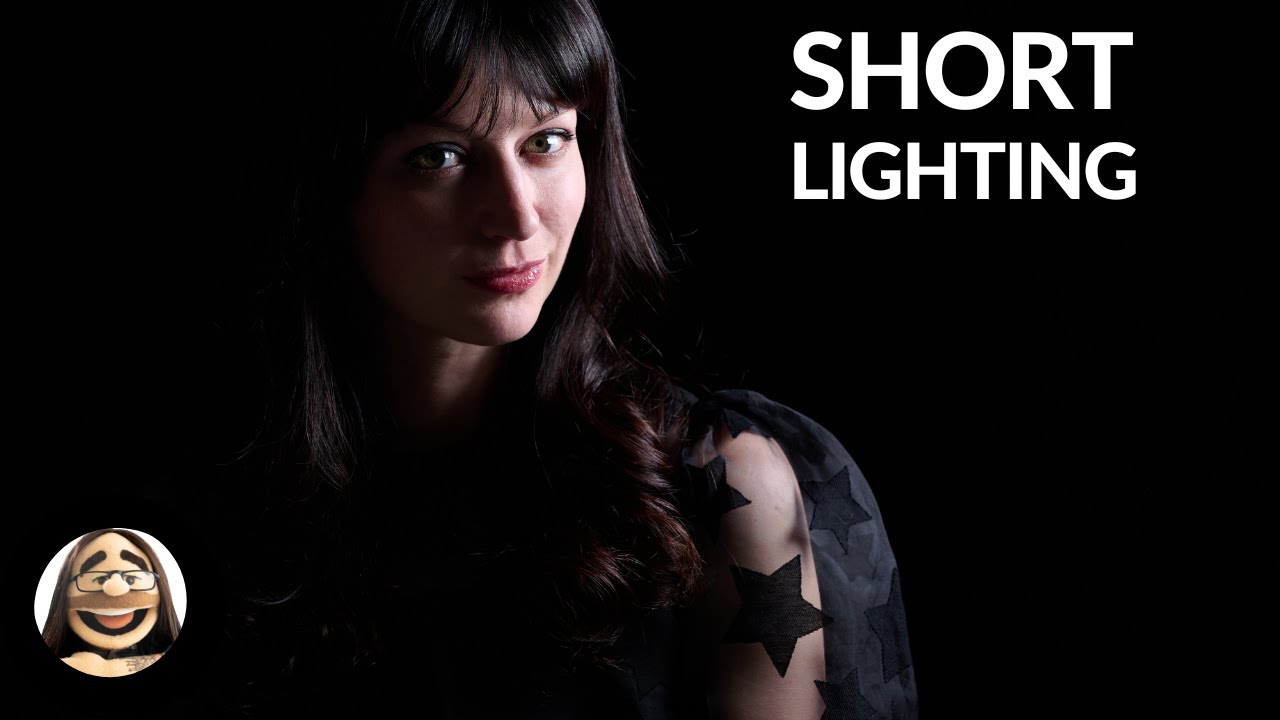
There is a specific problem I run into about four times a year on editorial shoots: a client wants “moody and cinematic” but gives me a flat, white cyclorama and exactly zero set design budget. No texture, no shadow, no depth. What saves me every time is short lighting. Not because it is trendy, not because it slims a face (though it can), but because it manufactures drama out of geometry alone.

What Video Game Lighting Teaches Us About Studio Photography

What Video Game Lighting Teaches Us About Studio Photography

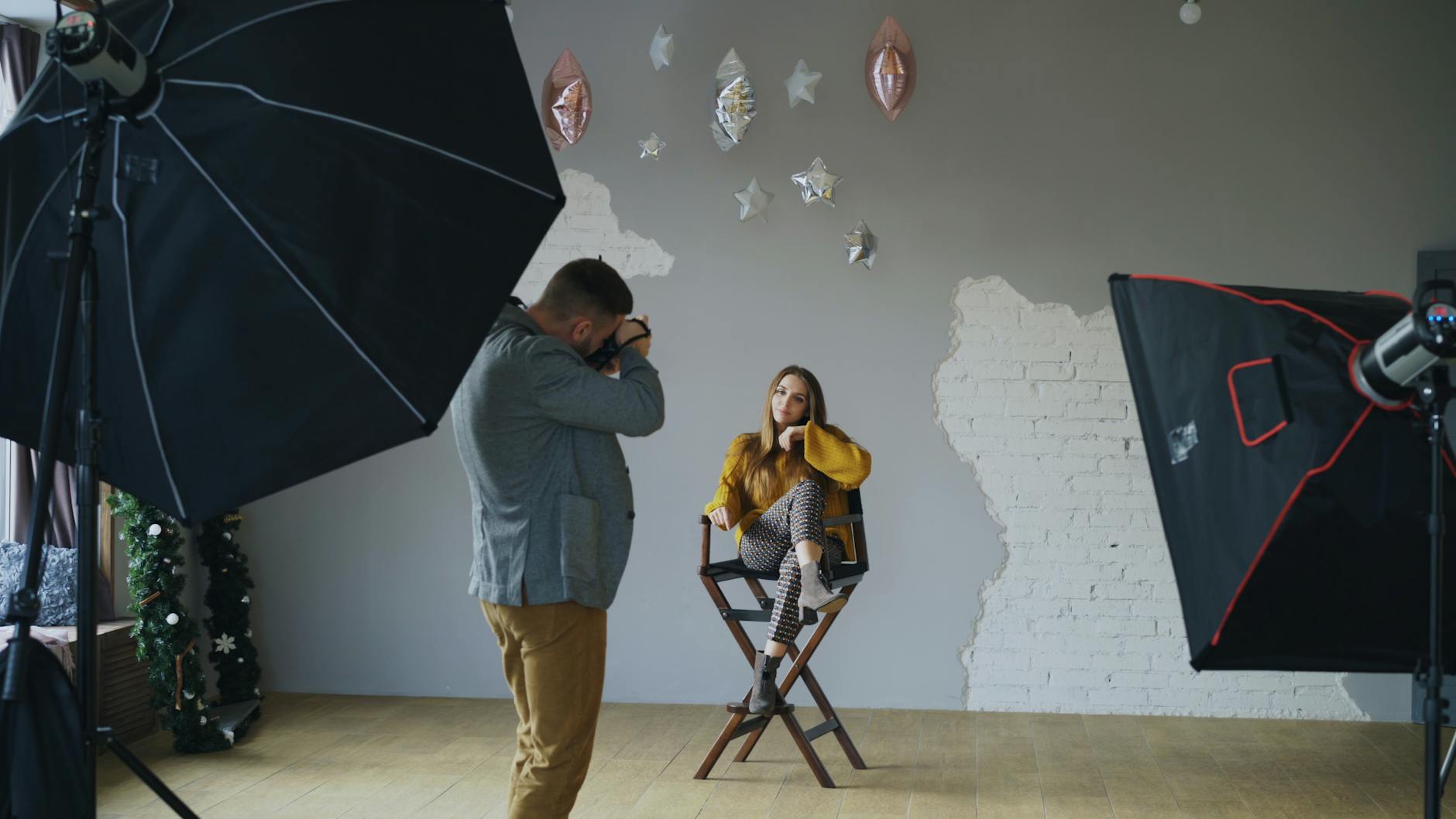
The Hidden Curriculum in Interactive Media I’ve spent considerable time studying how major video game productions approach lighting and visual composition. There’s a reason AAA titles command such attention from cinematographers and photographers—they’re solving the same fundamental problems we face in the studio, just with different constraints. Recent announcements about major game expansions remind me why I monitor this space closely. When development studios invest heavily in new content, they’re typically refining their entire visual pipeline, including how light behaves in their environments.

What Anime Studios Get Right About Lighting That Photographers Should Learn

What Anime Studios Get Right About Lighting That Photographers Should Learn

The Art of Restraint in Modern Production I’ve been watching the newly released footage from Science Saru’s upcoming Ghost in the Shell anime series, and I have to say—it’s reminded me of something we often forget in contemporary studio work: sometimes doing less is doing more. The production team has deliberately chosen to pull away from the hyperpolished digital rendering that dominates modern anime. Instead, they’re embracing a visual language closer to the source material’s original manga aesthetic.

Five Eras, Five Cities: What Multi-Period Game Design Teaches Us About Lighting Consistency

Five Eras, Five Cities: What Multi-Period Game Design Teaches Us About Lighting Consistency

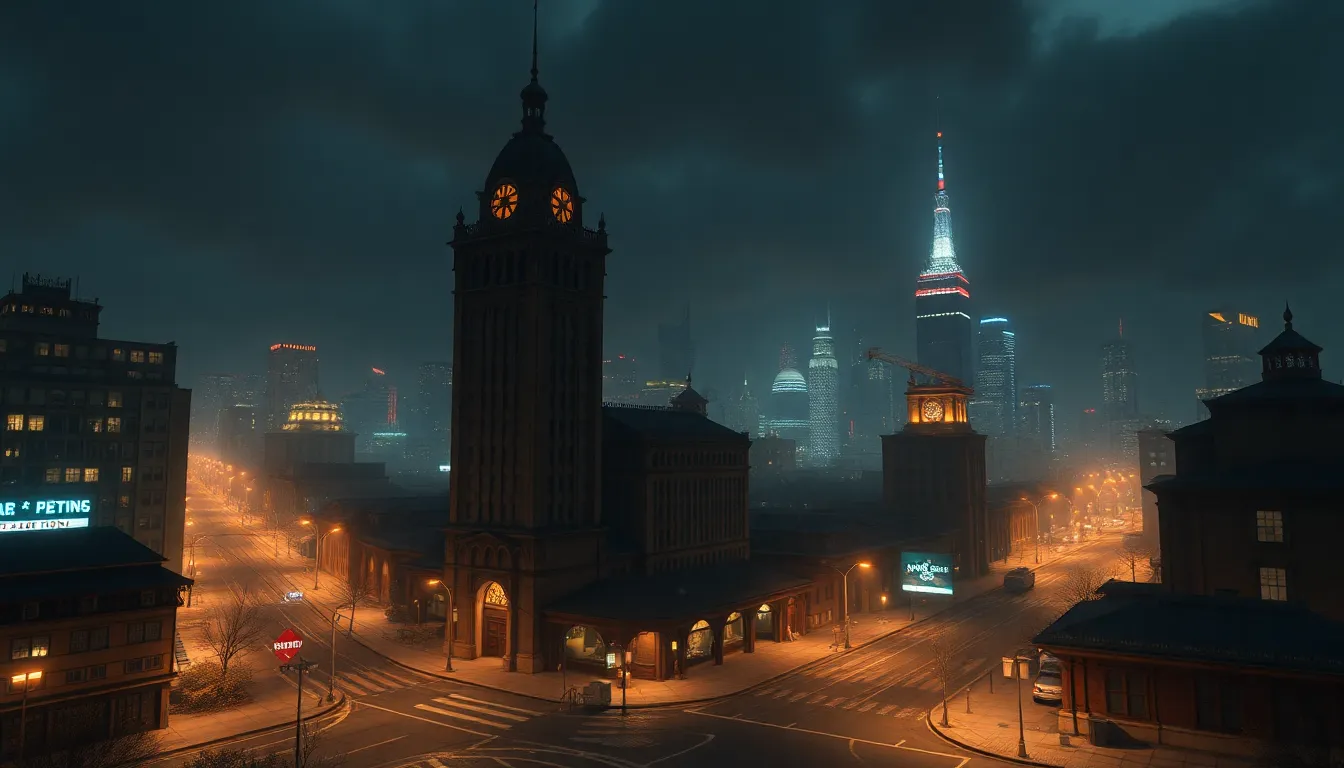
The Challenge of Temporal Lighting I’ve been watching the gaming industry’s approach to visual storytelling, and I’m genuinely impressed by the technical demands they’re tackling. Ryu Ga Gotoku’s upcoming title, Stranger Than Heaven, spans five distinct time periods across five different cities—1915, 1929, 1943, 1951, and 1965—and this presents a lighting puzzle that rivals what we face in studio photography. When you’re shooting across different eras, you’re not just changing costumes and props.