Emotion First, Then the Pose: What a $10K Wedding Photographer Taught Me About Working With People

Emotion First, Then the Pose: What a $10K Wedding Photographer Taught Me About Working With People

Most of my work happens in a controlled environment. I label every light, I sketch every setup, I run color calibration before the first frame fires. Control is how I operate. So when a client’s expressions fall flat despite a technically perfect setup, it’s genuinely disorienting. The lights are where they should be. The composition is solid. And yet the images feel hollow. For years I chalked that up to the subject, told myself some people just aren’t photogenic.
The Reflector: Your Studio's Secret Weapon for Light Control

The Reflector: Your Studio's Secret Weapon for Light Control

The Reflector Deserves Better Respect I’ve spent enough time in studios and on location shoots to know that photographers often overlook their most versatile tool. The reflector sits in the corner of your kit bag, stuffed between your light stands and diffusers, waiting to solve problems you didn’t realize you had. And here’s the truth: it’s not overrated—it’s underutilized. Light is the fundamental ingredient of photography. Without it, we have nothing.

Why Your Subjects Look Stiff: Fixing Posing Problems That Actually Start With Your Lighting

Why Your Subjects Look Stiff: Fixing Posing Problems That Actually Start With Your Lighting

I had a client cancel a rebooking last year. Not after a bad shoot, after a good one. She said she loved the images but felt “uncomfortable” during the session, and she couldn’t explain why. I spent a week thinking about that before I figured it out. She had been uncomfortable because I kept asking her to hold positions that only made sense for my light, not for her body. Every time I moved a strobe, I was silently demanding she contort herself to meet it.

The Architecture of Posing: Building Frames That Work With Light, Not Against It

The Architecture of Posing: Building Frames That Work With Light, Not Against It

The Architecture of Posing: Building Frames That Work With Light, Not Against It I’ve watched photographers spend thousands on premium lighting equipment, only to waste it with lazy posing. A $300 umbrella can’t save a subject photographed straight-on with slouched shoulders. Conversely, I’ve seen exceptional images created with modest gear because the pose itself was architecturally sound. The relationship between posing and lighting isn’t coincidental—it’s mechanical. Get this right, and everything else becomes easier.

How to Light Groups: From Two People to Twenty

How to Light Groups: From Two People to Twenty

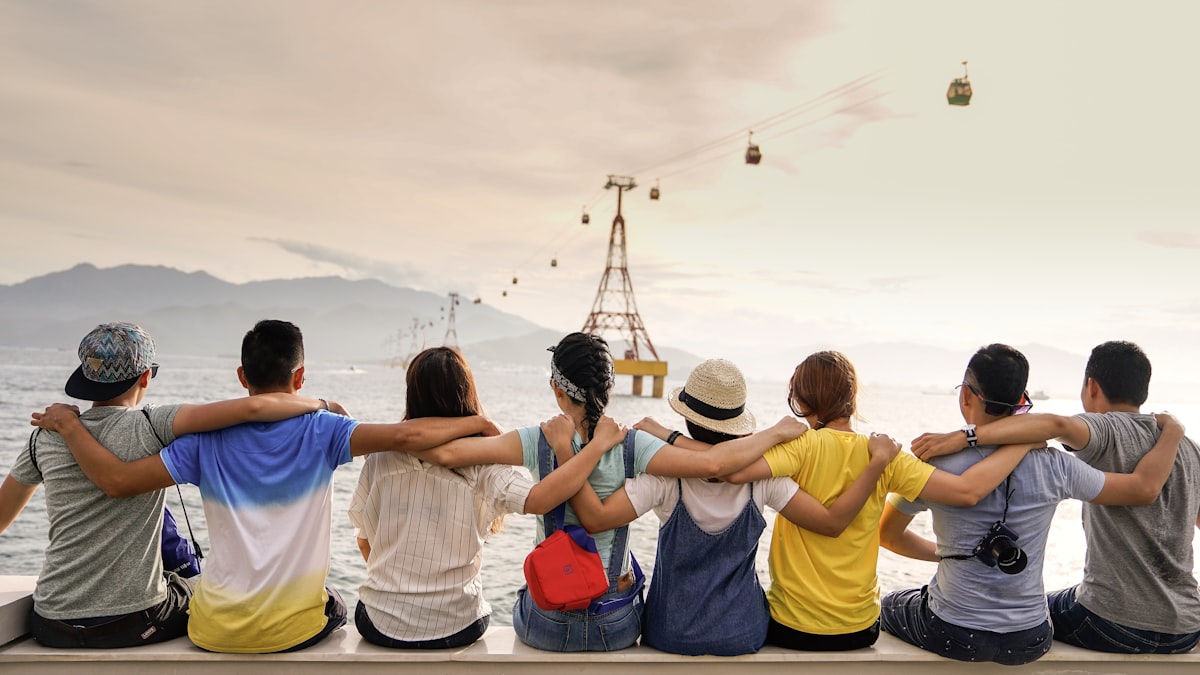
Group lighting is fundamentally different from individual portrait lighting. With one person, you sculpt light across a single face. With groups, you need even illumination across every face while maintaining enough contrast to keep the image from looking flat. The larger the group, the bigger the challenge. The Core Problem Portrait lighting typically uses a key light positioned to one side of the subject, creating a bright side and a shadow side.

Environmental Portraits: Lighting People in Context

Environmental Portraits: Lighting People in Context

Environmental portraits tell a story that studio portraits can’t. A chef in their kitchen, an artist in their studio, a farmer in their field — the environment provides context that gives the viewer insight into who the person is. But lighting these scenes is fundamentally different from studio work. You’re not creating light from scratch — you’re integrating with light that already exists. The Environmental Portrait Philosophy The environment is as important as the subject.