Off-Camera Flash Without the Guesswork: Channels, Zones, and Triggering Systems Explained

Off-Camera Flash Without the Guesswork: Channels, Zones, and Triggering Systems Explained

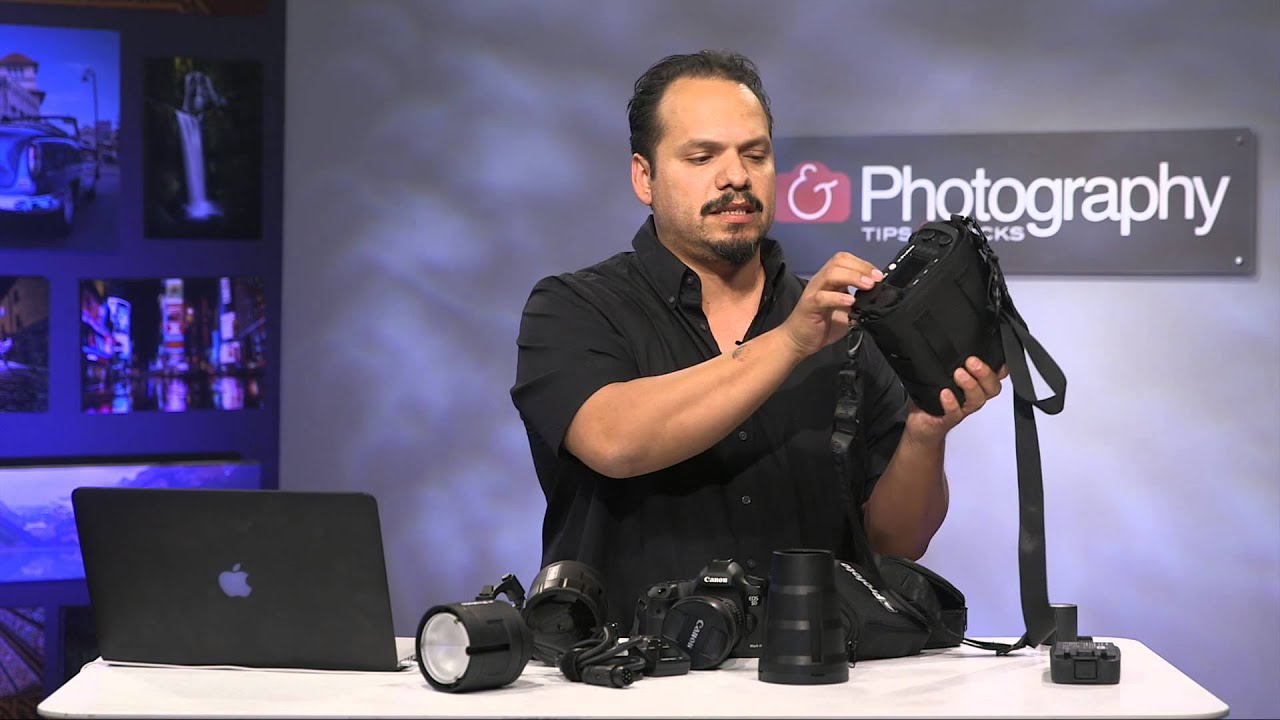
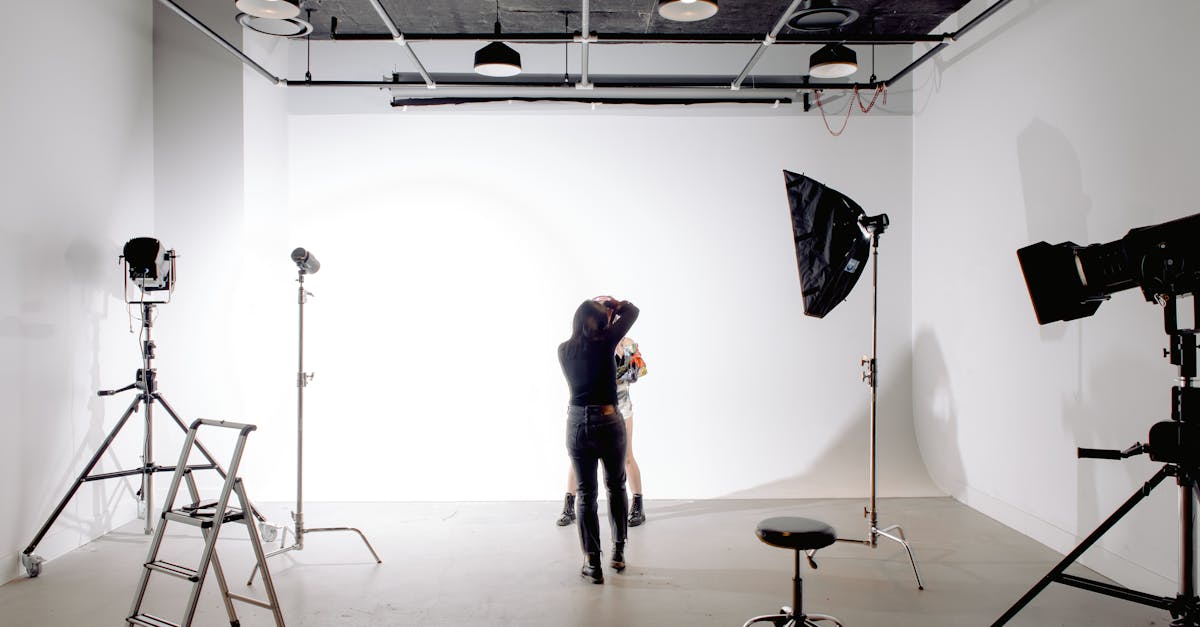
Every time I walk into a new studio space, the first thing I do is tape labels on every light. Masking tape, black marker, “KEY,” “FILL,” “KICKER.” It looks ridiculous. It has saved me from catastrophic mistakes more times than I can count. That habit came from learning, the hard way, that when you’re managing multiple off-camera flashes, confusion is expensive. Missed sync, wrong zone triggering the wrong light, two photographers’ systems fighting each other at an event shoot — these are real problems that happen to real working photographers.

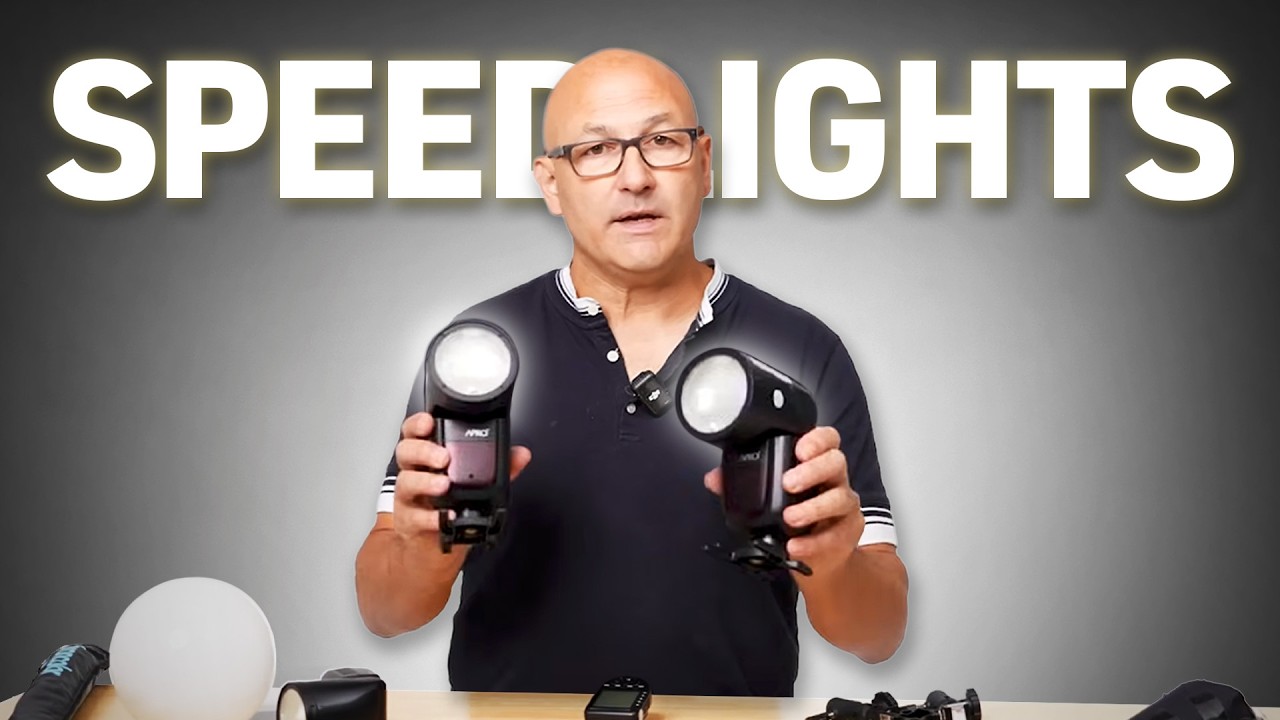
Speedlights in the Studio: What I Wish Someone Had Told Me Before My First Portable Flash Shoot

Speedlights in the Studio: What I Wish Someone Had Told Me Before My First Portable Flash Shoot

Every working photographer I know has a box of speedlights sitting in a closet somewhere. They bought them early on, used them for events or fill flash, then graduated to strobes and never looked back. I did the same thing. For years I treated my speedlights as backup gear, the kind of thing you grab when a power outlet isn’t available or a client wants something “run and gun.” It took me an embarrassingly long time to understand that with the right approach, those little units can produce images that hold up against full studio setups.

Off-Camera Flash at Weddings: How to Use a Secondary Strobe Without Killing the Mood

Off-Camera Flash at Weddings: How to Use a Secondary Strobe Without Killing the Mood

Wedding receptions are one of the few situations where I genuinely have to fight my studio instincts. My default is control: flagged lights, metered backgrounds, everything taped and labeled. A reception hall gives you none of that. The light is already doing something, the room has a mood, and your job is to work inside it rather than override it. That tension between “enough light to get the shot” and “too much light to keep the feeling” is exactly what this tutorial addresses.

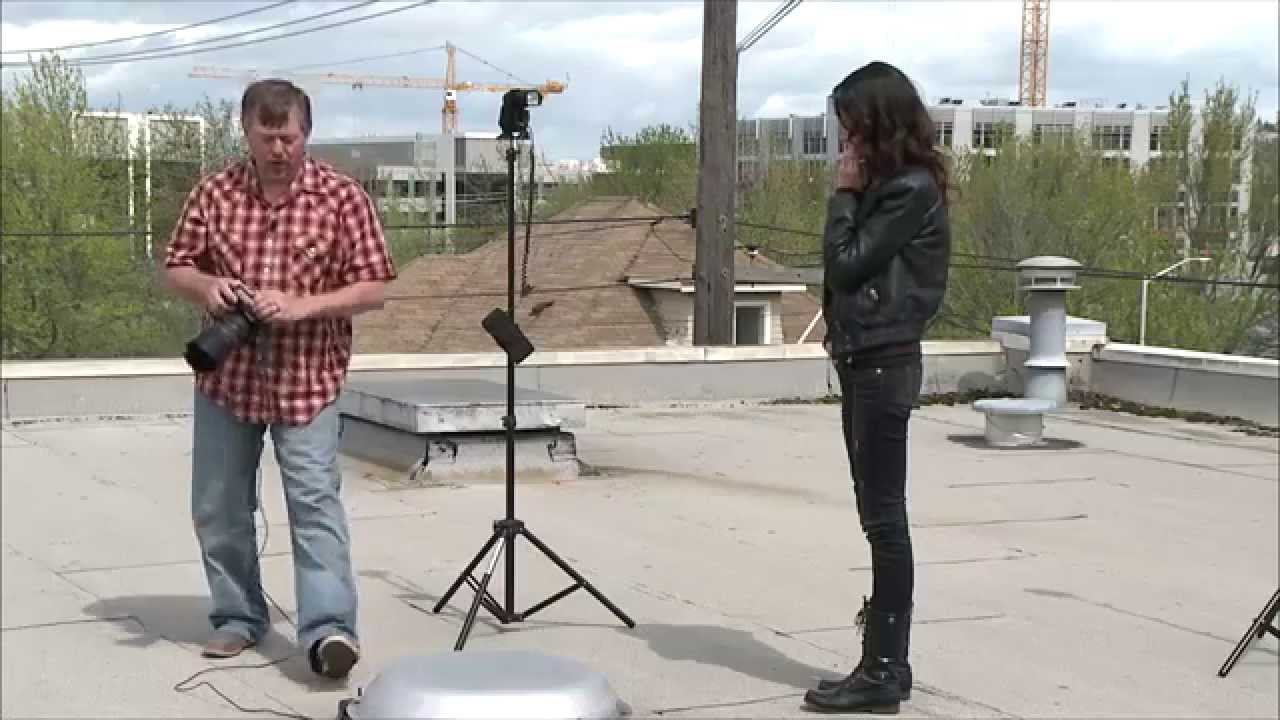
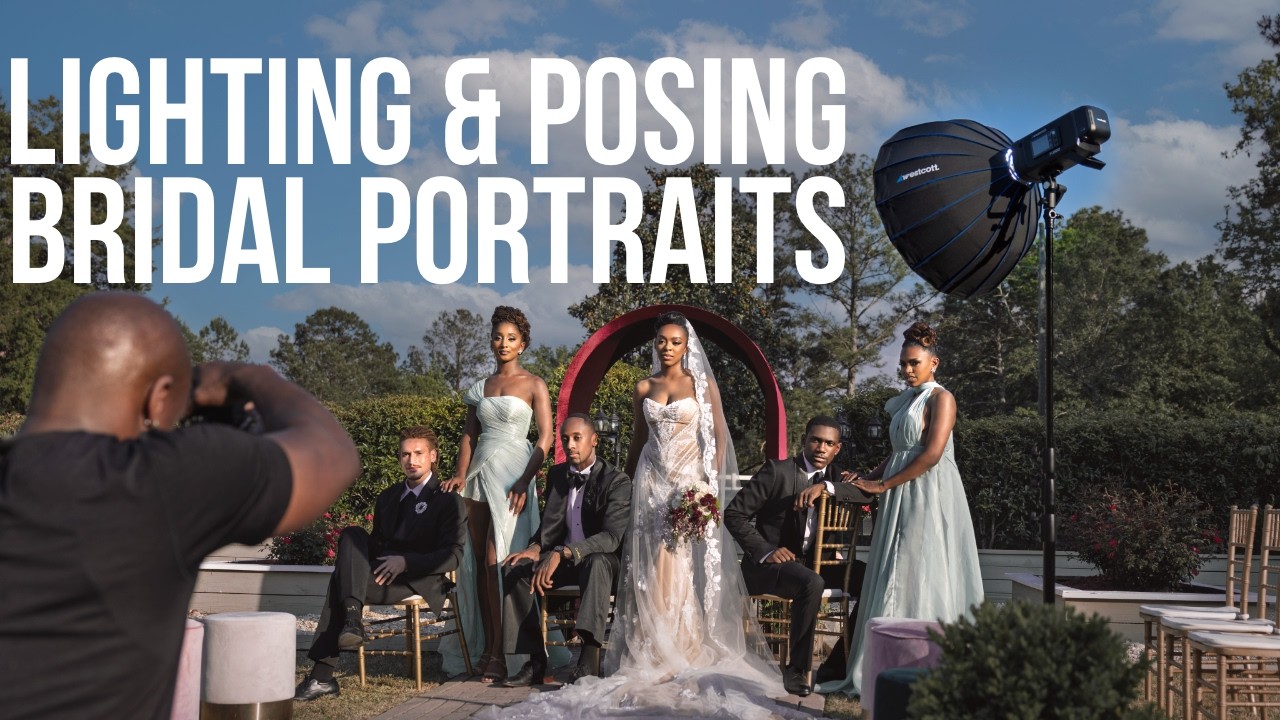
Mastering Bridal Party Poses and Off-Camera Flash in Harsh Sunlight

Mastering Bridal Party Poses and Off-Camera Flash in Harsh Sunlight

I shoot controlled environments for a living. Fashion sets, beauty campaigns, corporate headshots where every light has a piece of masking tape on the barn door with its exact purpose written in marker. So when I need to think about uncontrolled environments, I actively go looking for photographers who’ve made chaos their workflow. That’s why I keep coming back to wedding photographers. They solve hard lighting problems fast, with real people who don’t take direction like models, in locations that don’t cooperate.

Flash Photography: The Recipe for Consistent, Controllable Light

Flash Photography: The Recipe for Consistent, Controllable Light

Flash Photography: The Recipe for Consistent, Controllable Light I’ve spent twenty years in studios, and I’ll say it plainly: photographers who master flash are photographers who control their output. Natural light is beautiful but unreliable. Flash is your ingredient list—measure it correctly, and you get repeatable results every single time. Why Flash Matters (Beyond Just Brightness) Flash isn’t about filling a dark room. It’s about precision. When you dial in your flash power, you’re setting an exact amount of light.

Flash Photography: Stop Apologizing and Start Mastering Your Speedlight

Flash Photography: Stop Apologizing and Start Mastering Your Speedlight

I’m tired of hearing photographers apologize for using flash. “I wish I had natural light,” they say, as if flash is some kind of failure. It isn’t. Flash is a tool that, when used correctly, gives you absolute control over your subject’s appearance. Most people just use it wrong. The problem isn’t flash itself—it’s that photographers treat it like an afterthought. They slap a speedlight on their camera’s hot shoe, aim it forward, and wonder why their subjects look washed out and one-dimensional.