Crane Shots on a Budget: Lighting Lessons from a TV Pitch Reel

Crane Shots on a Budget: Lighting Lessons from a TV Pitch Reel

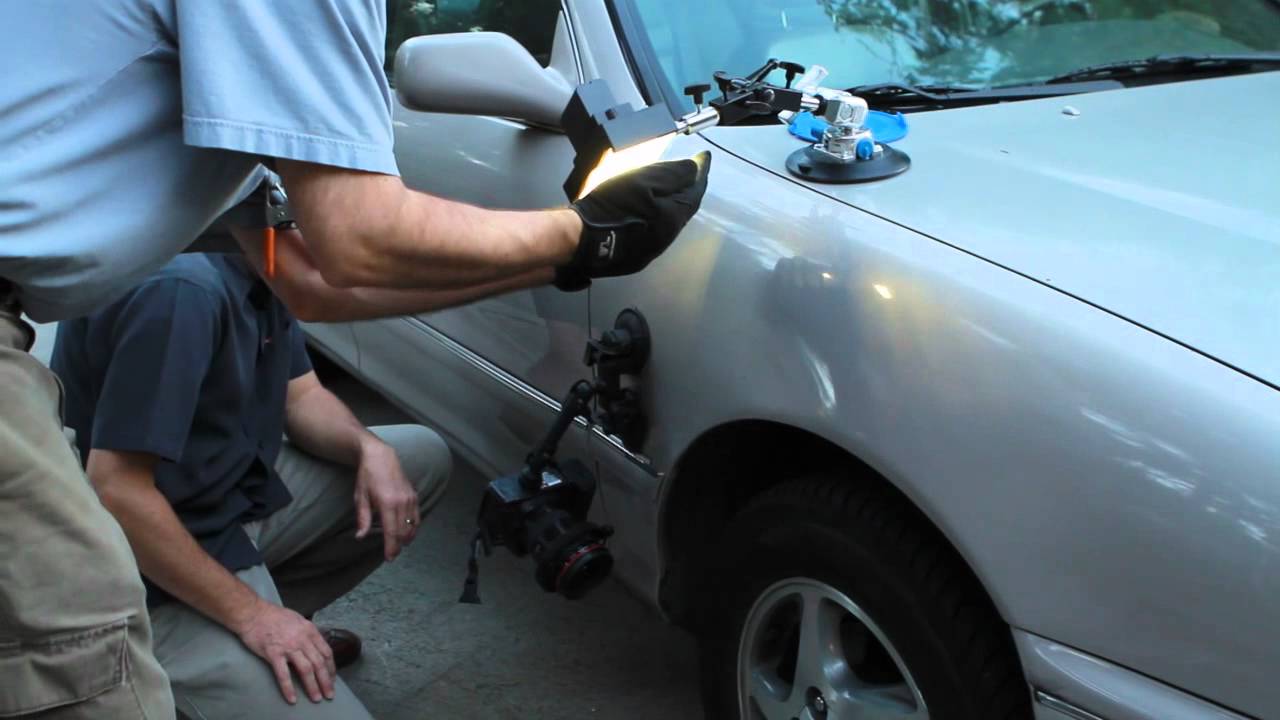
Most of my work happens inside four walls with a ceiling grid I’ve mapped so many times I can place a light from memory. Cranes aren’t part of my daily studio vocabulary. But every few years a client asks for something cinematic — a brand film, a pitch piece, a behind-the-scenes reel — and suddenly I’m standing outside wondering how to make a moving camera look intentional rather than accidental. That gap between studio control and location storytelling is exactly why I keep coming back to tutorials that show real production decisions on real shoots.
The V-Flat Revolution: Why One Tool Might Replace Your Entire Lighting Kit

The V-Flat Revolution: Why One Tool Might Replace Your Entire Lighting Kit

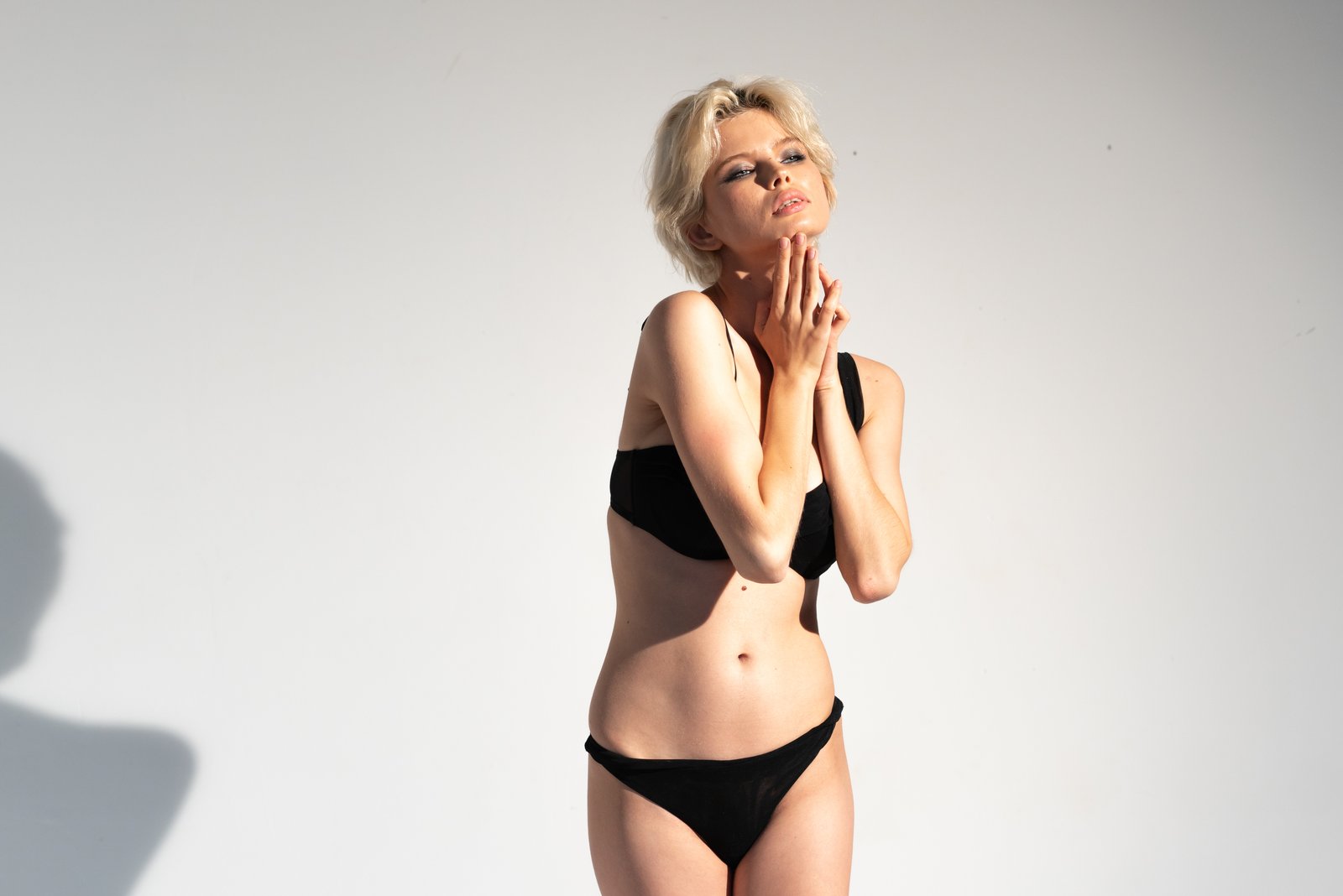
I’ve spent years accumulating lighting modifiers—reflectors in every finish, flags, scrims, and negative fill panels filling my studio closet. Yet I keep returning to a fundamental truth: sometimes the simplest tools teach us the most about light itself. The V-flat represents this principle beautifully. It’s elegantly simple—a white side and a black side, nothing more—yet it solves problems photographers typically address with five or six different pieces of gear. Reading Light Before Buying Gear Here’s what changed my approach: I stopped asking “what modifier do I need?

Burn Bars, Big Light, and the Art of Setting a Scene on Fire

Burn Bars, Big Light, and the Art of Setting a Scene on Fire

Fire on set is one of those techniques that separates photographers who shoot commercials from photographers who wish they did. I’ve lit everything from beauty campaigns to corporate portraits, and the question I get least prepared for is always some variation of: “Can we have something burning in the frame?” The answer should be yes, but only if you understand what you’re actually dealing with. Burn bars, which are the industry tool for creating controlled flame effects, are not something you improvise.

How to Light a Narrative Short Film: Lessons from a Golf Club Window Shot

How to Light a Narrative Short Film: Lessons from a Golf Club Window Shot

There’s a specific kind of problem that comes up when you move from studio work into narrative film or hybrid video, and it’s not about cameras. It’s about committing to lighting setups that have to read as real environments while still looking like something a cinematographer would be proud of. I’ve wrestled with this on commercial jobs where the client wants “cinematic” but the location is a kitchen at 6pm with one window and a builder-grade overhead fixture.

Get Your Video Light Off Your Camera (And Why It Changes Everything)

Get Your Video Light Off Your Camera (And Why It Changes Everything)

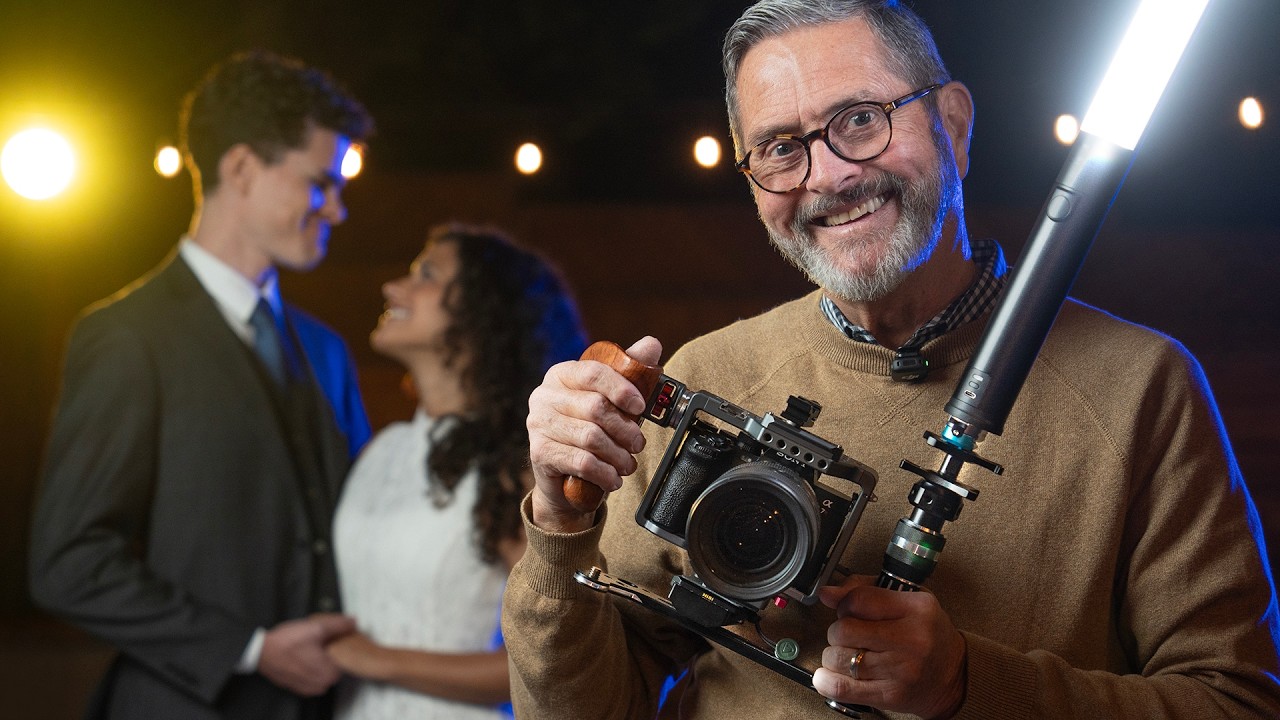
I shoot in a controlled studio most of the time. Every light has a label on it. Every modifier gets tested the day it arrives. I have a lighting diagram app on my phone that I built myself because the existing ones didn’t think the way I do. So when I started picking up more video work alongside my editorial and commercial jobs, the lack of that same control drove me a little crazy.