Using Smoke as a Lighting Tool: What I Learned From The Slanted Lens

Using Smoke as a Lighting Tool: What I Learned From The Slanted Lens

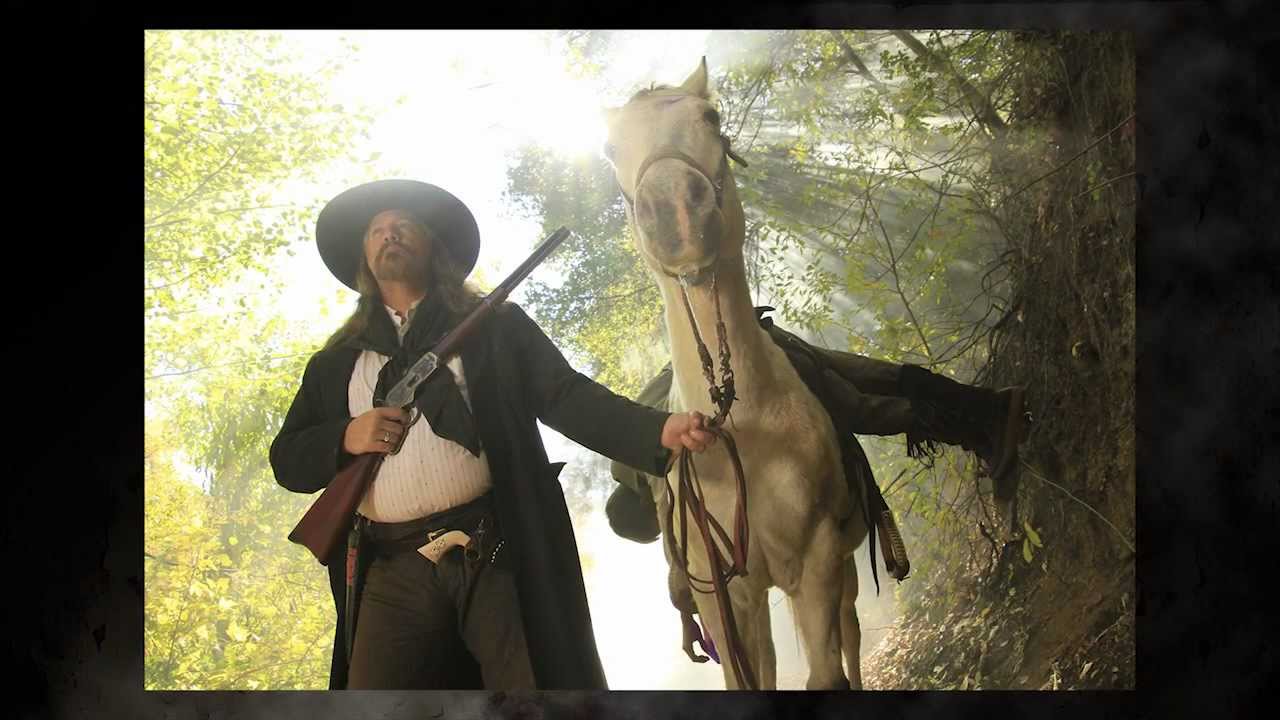
Smoke is one of those tools I kept seeing in other photographers’ work and assuming required either a massive production budget or a lucky day with natural fog. Neither is true. What it actually requires is a fog machine, a little DIY ducting, and a clear understanding of where your light needs to be relative to the smoke. I’ve sketched more than a few smoke setups in my lighting journal over the years, but I never felt like I had a reliable, repeatable system until I watched JP Morgan work through the problem on camera.
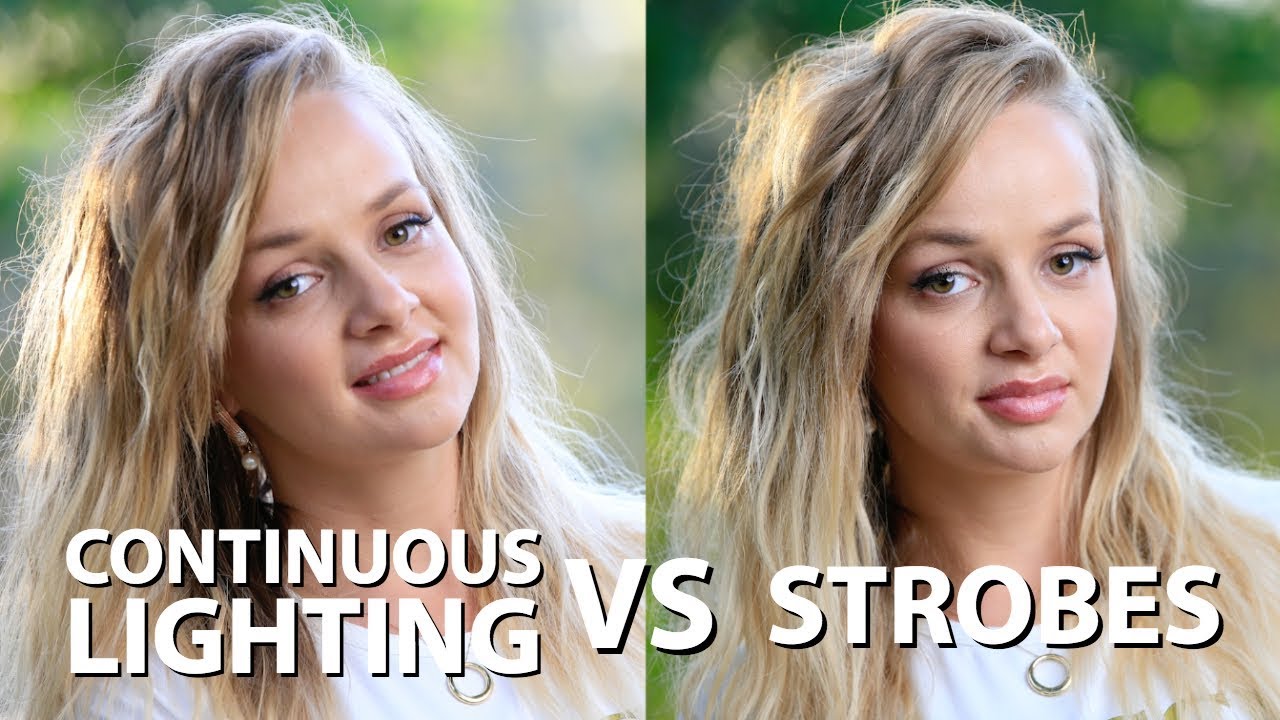
Continuous Lights vs. Strobes: A Studio Shooter's Honest Take on Choosing Sides

Continuous Lights vs. Strobes: A Studio Shooter's Honest Take on Choosing Sides

Every photographer working in a studio eventually hits the same wall: someone asks whether they shoot with continuous lights or strobes, and suddenly the conversation turns into a loyalty test. I’ve been on both sides of that conversation for years. I shoot commercial and editorial work out of Los Angeles, and the honest answer is that the question itself is often the wrong one. The better question is what you’re trying to accomplish on a given shoot, and whether your light source actually serves that goal.

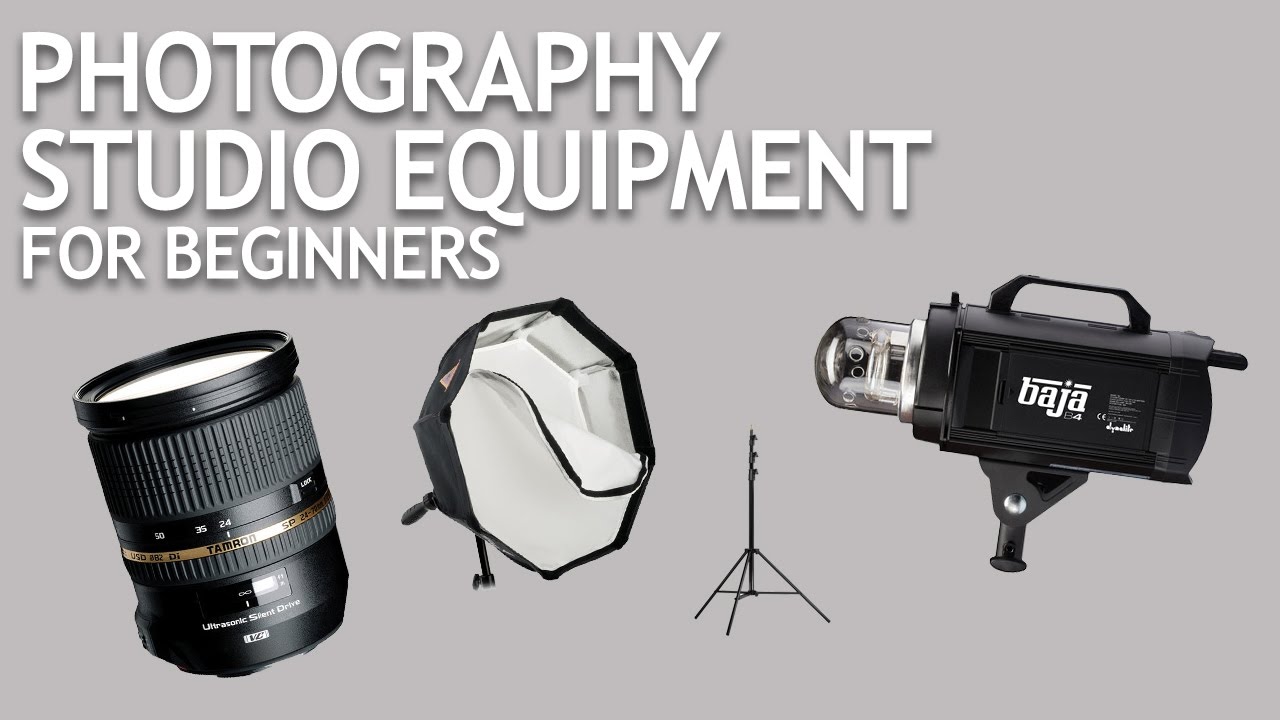
What to Actually Buy First: A Working Photographer's Take on the Slanted Lens Studio Starter Guide

What to Actually Buy First: A Working Photographer's Take on the Slanted Lens Studio Starter Guide

Every few months someone emails me asking what gear they need to start shooting paid work. For years I sent them a list I’d cobbled together from memory. The problem with that approach is that my memory is calibrated to someone who’s been shooting commercial and editorial work in Los Angeles for nearly two decades. What I think of as “basic” is not what a beginner should spend money on first.

How to Actually Understand Lighting Modifiers (Using a Benchmark That Changes Everything)

How to Actually Understand Lighting Modifiers (Using a Benchmark That Changes Everything)

Every photographer I know has a modifier graveyard. A pile of softboxes, grids, and beauty dishes that got bought, used twice, and shelved because nothing about the results made sense. The problem isn’t the gear. The problem is that most of us compare modifiers in the worst possible way: switching from one to another across different shoots, different subjects, different distances, and then wondering why we can’t draw any useful conclusions.

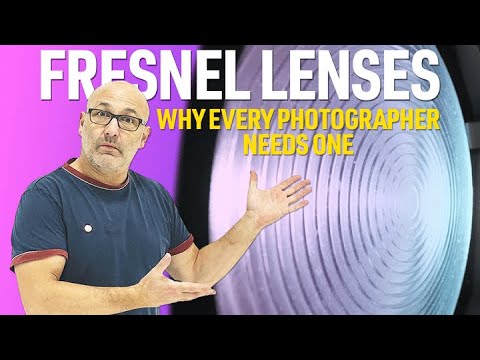
What a Fresnel Lens Actually Does to Your Light (And Why I Reach for One First)

What a Fresnel Lens Actually Does to Your Light (And Why I Reach for One First)

For years I defaulted to grids when I needed a controlled pool of light on a background. They’re cheap, they’re fast, and they live in a pouch that fits in my kit bag. But every time I pulled up a reference image I was trying to match — something from a fashion editorial, usually — the background light had a quality I couldn’t quite get. A smooth, perfectly graduated circle that faded out evenly in every direction.

Flash Isn't Optional: A Working Photographer's Breakdown of the 4 Controls That Actually Matter

Flash Isn't Optional: A Working Photographer's Breakdown of the 4 Controls That Actually Matter

I used to think natural light was a philosophy. Somewhere in my early career I convinced myself that reaching for a flash unit was an admission of failure, like I couldn’t read a scene well enough to work with what was there. That belief cost me jobs. It definitely cost me a ruined editorial shoot early on where I misread the color temperature of the ambient light entirely and delivered a full gallery with skin tones that looked like the subjects had been airbrushed in a submarine.

Move Your Softbox Closer Than You Think — Here's Why It Changes Everything

Move Your Softbox Closer Than You Think — Here's Why It Changes Everything

There’s a mistake I see in almost every behind-the-scenes photo that photographers share online. The softbox is positioned at a reasonable distance, the model looks okay, and the whole setup looks perfectly professional. The problem is “reasonable” and “okay” are doing a lot of heavy lifting there, and they’re covering for light that’s working against you. I spent years treating softbox distance as an afterthought, something you eyeballed and called done once the exposure looked right on the back of the camera.

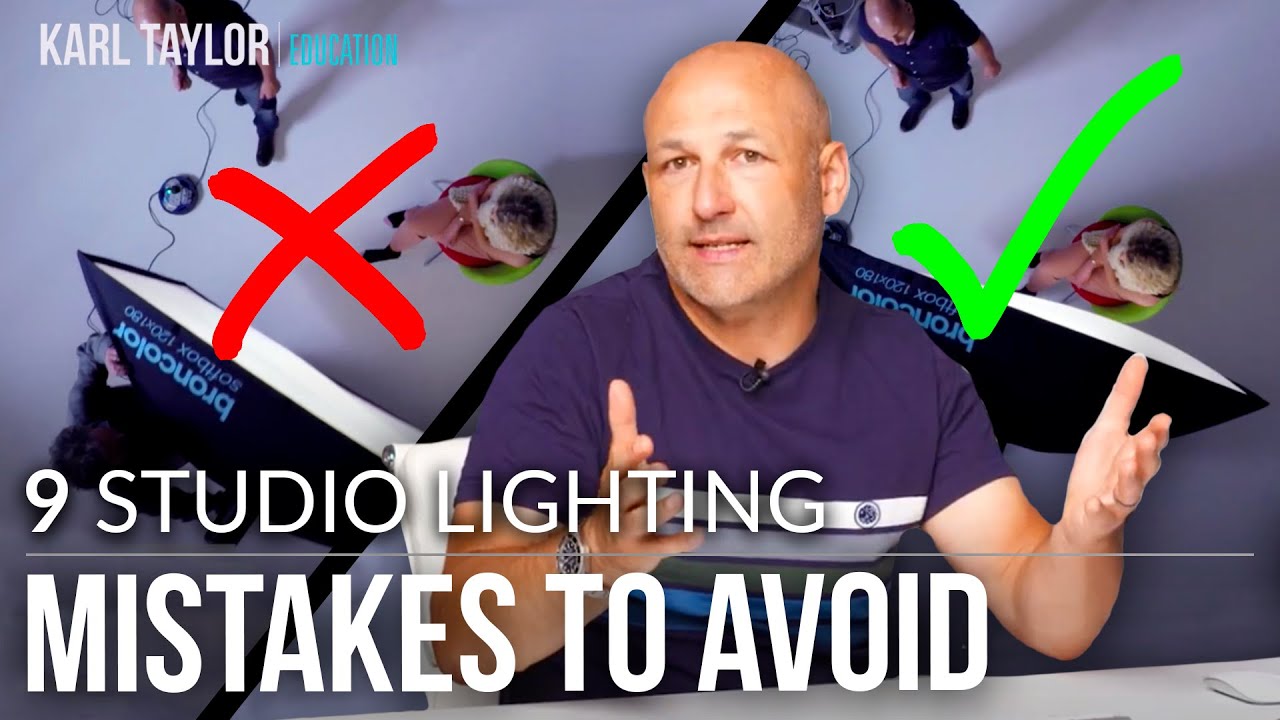
9 Studio Flash Mistakes I Wish Someone Had Warned Me About (Visual Education Breakdown)

9 Studio Flash Mistakes I Wish Someone Had Warned Me About (Visual Education Breakdown)

Every time I bring a photographer into my studio for the first time, I watch the same sequence unfold. They position the light directly in front of the subject, chimp the back of the camera, and then look up at me with this deflated expression. “Why does it look so flat?” That question tells me everything about where they are in their studio lighting education. It also tells me they haven’t yet wrestled with the fundamentals, not because they’re incapable, but because nobody sat them down and explained what actually matters before they touched the gear.

10 Lighting Questions Every Studio Photographer Gets Asked (And What Aaron Nace Actually Says)

10 Lighting Questions Every Studio Photographer Gets Asked (And What Aaron Nace Actually Says)

Questions about lighting land in my inbox constantly. From assistants just starting out to photographers who’ve been shooting for years but never formalized their understanding, the same handful of confusions keep surfacing. What should my histogram actually look like? What do I do when I can’t afford professional strobes? How do I stop guessing at exposure? These aren’t beginner questions, they’re foundational ones that every working photographer has to answer for themselves at some point.

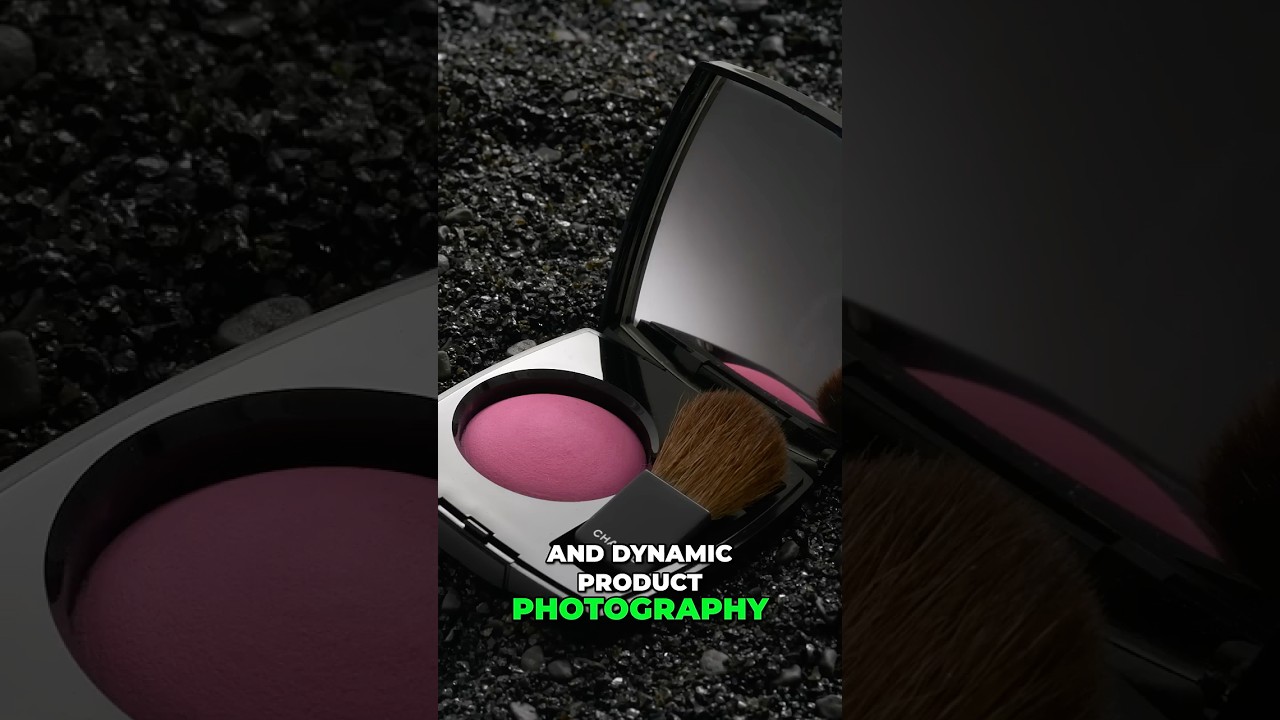
Pro Product Photography in Tight Spaces: What Karl Taylor's Budget Shoot Actually Teaches You

Pro Product Photography in Tight Spaces: What Karl Taylor's Budget Shoot Actually Teaches You

I shoot commercial work out of a studio in Los Angeles that I’ve spent years optimizing. The right modifiers, the right power packs, enough ceiling height to do almost anything. And yet some of my most technically instructive moments have come from watching experienced photographers deliberately strip all of that away. There’s a specific kind of clarity that comes from constraints, and it’s something I try to remind myself of every time a client assumes that the quality of the final image scales directly with the size of the equipment rental invoice.