Posing Is Half the Picture — Why Expression Makes or Breaks Your Wedding Shots

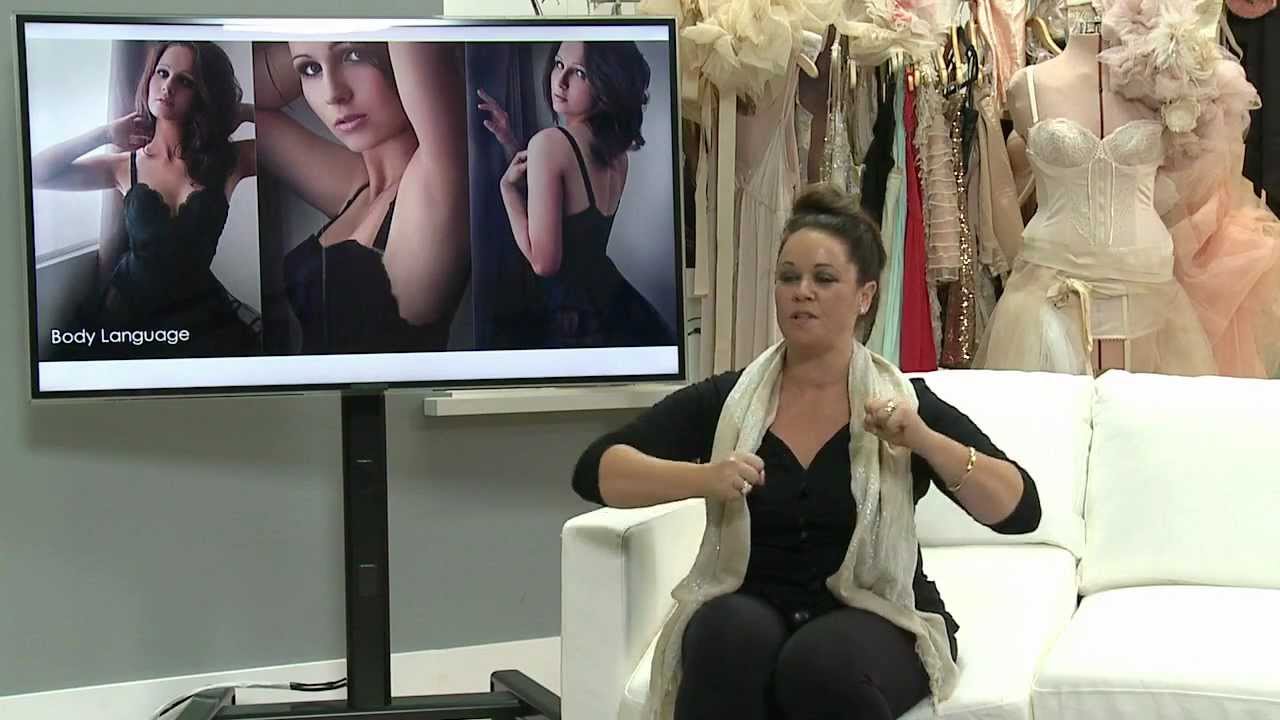
Posing Is Half the Picture — Why Expression Makes or Breaks Your Wedding Shots

Most of my work happens in a controlled environment. I label every light in my studio with masking tape. I sketch every setup in a journal before I fire a single test shot. Control is the whole game when you shoot fashion and beauty. Wedding photography is the opposite of that, which is exactly why I keep studying it. The chaos forces photographers to solve problems I never face under studio conditions, and the solutions almost always teach me something I can bring back to my editorial work.
How to Actually Direct Non-Models: Posing Lessons Every Studio Photographer Needs

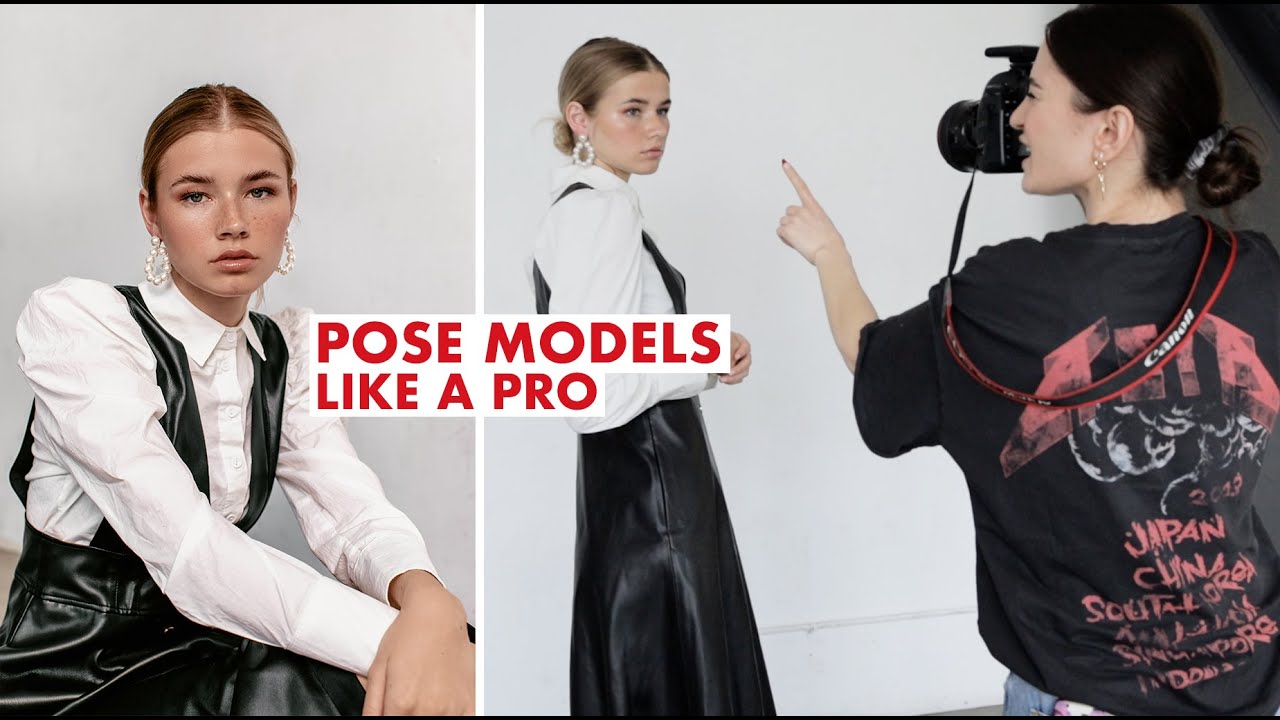
How to Actually Direct Non-Models: Posing Lessons Every Studio Photographer Needs

Lighting is my specialty. I can dial in a three-point setup in under ten minutes, and I keep a sketch of every configuration I’ve ever used in a journal I’ve maintained since 2009. But for years, posing was the part of my shoots that quietly undermined everything else. I’d have perfect exposure, a beautiful modifier, a well-calibrated strobe — and then a subject standing in the middle of my studio with no idea what to do with their hands, and neither did I.

What a Flash Mob Dance Tutorial Accidentally Taught Me About Movement, Culture, and Photographing People Who Don't Pose

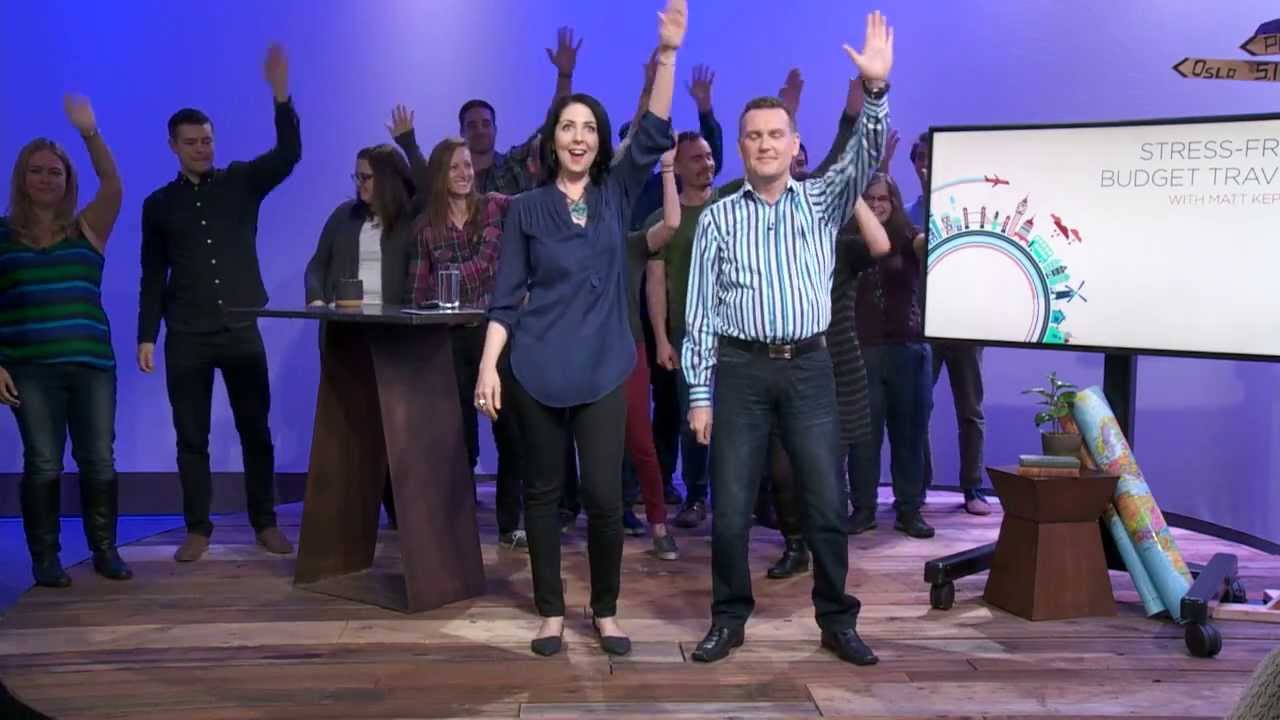
What a Flash Mob Dance Tutorial Accidentally Taught Me About Movement, Culture, and Photographing People Who Don't Pose

There is a problem I run into constantly in the studio: people freeze. A client walks in, the strobes go up, and every natural thing about the way they carry themselves disappears. They become a mannequin. I’ve tried everything over the years - verbal direction, reference images, playing music - and some of it works some of the time. But the deeper fix, I’ve come to believe, isn’t a trick. It’s understanding how people actually move when nobody is pointing a light at them.

How to Actually Direct a Subject: Three Posing Techniques I Wish I'd Learned Earlier

How to Actually Direct a Subject: Three Posing Techniques I Wish I'd Learned Earlier

Posing is the part of studio work that separates photographers who produce technically correct images from photographers who produce compelling ones. I can dial in a perfect three-light setup, calibrate my color temperature, sketch the diagram in my lighting journal before the client walks through the door - and still blow a shoot if I can’t direct a subject with confidence. The technical side of this job I figured out through practice and repetition.

Flow Posing in the Studio: How Sue Bryce's Direction Framework Changed the Way I Shoot Portraits

Flow Posing in the Studio: How Sue Bryce's Direction Framework Changed the Way I Shoot Portraits

Posing is the thing most lighting-focused photographers underestimate until it costs them a client. I know this because I spent years dialing in my light, calibrating my modifiers, labeling every fixture in my studio with masking tape so nothing would ever be ambiguous, and then watching perfectly lit frames fall apart because my subject looked stiff, uncertain, or just geometrically wrong. Good light on a bad pose is still a bad photograph.