No Strobes, No Reflector, No Problem: Natural Light Posing and AI Culling in the Real World

No Strobes, No Reflector, No Problem: Natural Light Posing and AI Culling in the Real World

I shoot studio work for a living. Fashion, beauty, corporate headshots. My lights are labeled with masking tape, my modifiers are organized by size, and I have a lighting diagram app on my phone that I built myself. Control is the whole game in studio work, and I am very comfortable in that game. What makes me uncomfortable is walking out of my studio with no equipment, no safety net, and being expected to produce images that look like I brought a full kit.
Location Photography That Doesn't Look Like a Guess: Lessons from Vasquez Rocks

Location Photography That Doesn't Look Like a Guess: Lessons from Vasquez Rocks

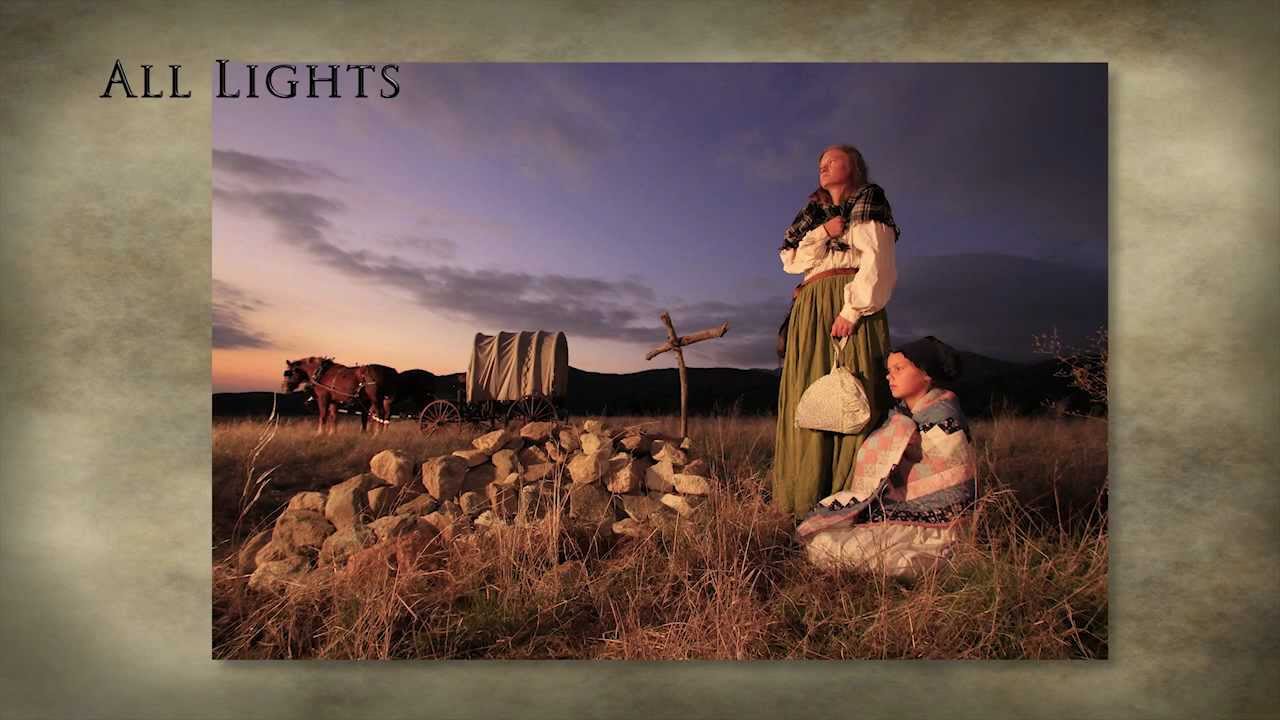
Most of my work happens in a controlled environment. I have my lights labeled, my power drops mapped, and a lighting diagram sketched before the talent ever walks through the door. Location work strips all of that away. No ceiling to bounce from, no dedicated circuit, no ability to predict exactly where the sun will be unless you’ve done the homework ahead of time. That gap between studio comfort and location reality has burned me before, and it’s why I keep returning to tutorials from photographers who clearly approach location work with the same systematic thinking I try to bring to the studio.

How to Light a Chaotic On-Location Scene Without Losing Control of Your Exposure

How to Light a Chaotic On-Location Scene Without Losing Control of Your Exposure

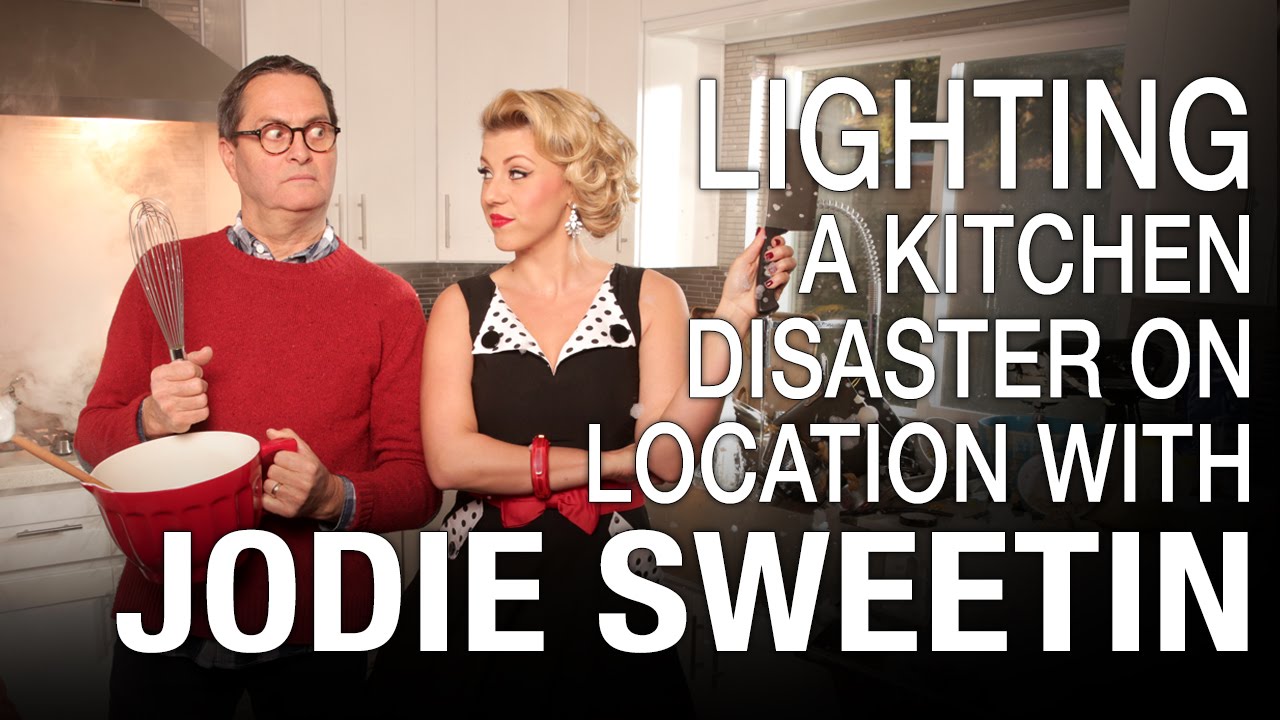
On-location commercial work has a way of humbling you fast. You walk into a space with existing architecture, ambient light you didn’t design, and a client who wants something that looks like it was built in a controlled studio. The gap between those two realities is where most photographers either rise or fall. I’ve been on enough sets to know that the shoots that look the most effortless are usually the ones with the most lights, the most planning, and the most tape holding things together behind the scenes.

How to Fake a Moving Camera (When Everything Has to Stay Sharp)

How to Fake a Moving Camera (When Everything Has to Stay Sharp)

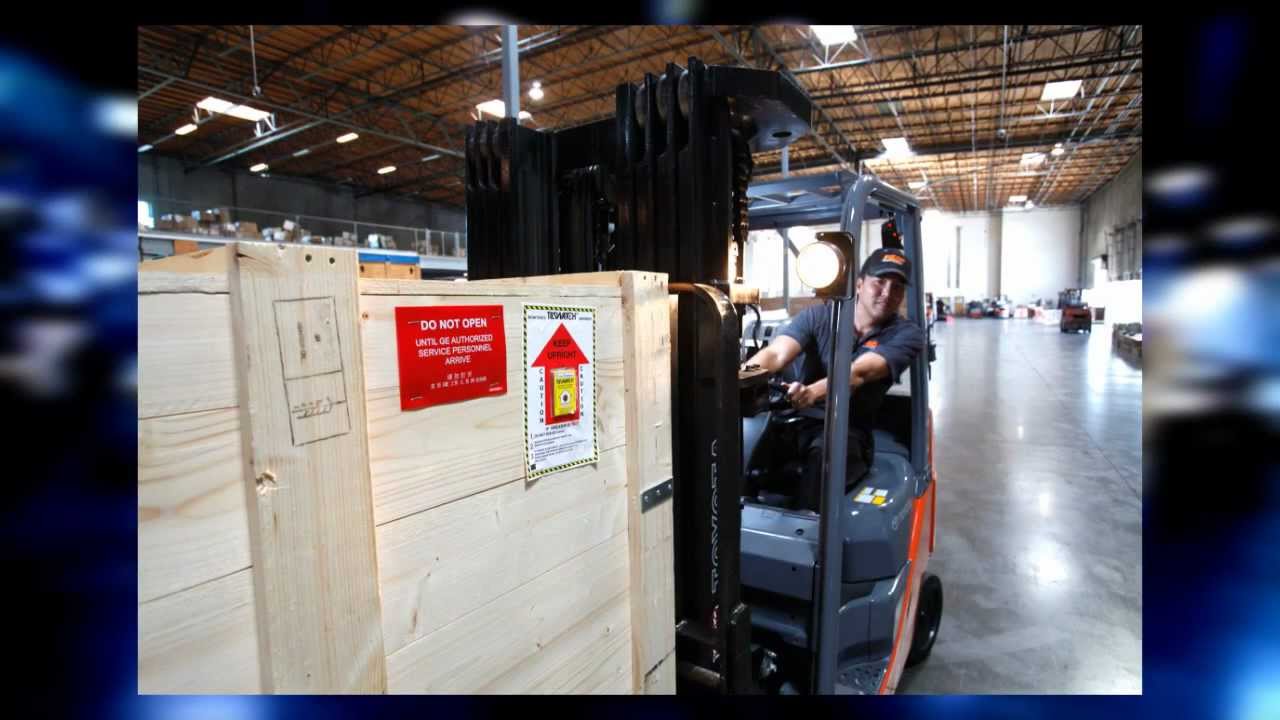
There’s a specific kind of shoot dread that sets in when you’ve photographed the same location a dozen times. I know that warehouse. I know that corner. I’ve already made the good picture here. That’s the problem The Slanted Lens walks into at the start of this tutorial, and the solution they land on is genuinely clever: instead of moving the camera past the subject, you move the camera with the subject, keeping both locked together on a piece of moving equipment.

Westcott's New FJ100 Series Proves Compact Wireless Flash Doesn't Mean Compromised Power

Westcott's New FJ100 Series Proves Compact Wireless Flash Doesn't Mean Compromised Power

Compact Flash Systems Are Finally Growing Up I’ve watched the wireless flash market evolve over the past decade, and I’m genuinely impressed by where Westcott is taking things with their new FJ100 lineup. We’re reaching an inflection point where “compact” no longer means “stripped-down amateur gear”β€”and that changes everything for how we light our shoots. Westcott just rolled out two new additions to their FJ wireless ecosystem: the FJ100 Touchscreen Strobe and the FJ100 Touchscreen Speedlight.

How to Hand Off from Natural Light to Strobes Without Losing the Sky

How to Hand Off from Natural Light to Strobes Without Losing the Sky

There is a specific kind of panic that hits when you are on location, the ambient light is dropping faster than you planned, and you still have half your shot list to finish. I have been there more times than I care to count, and for years my solution was either to push ISO until the image fell apart or to pack up and reschedule. Neither option is acceptable when a client is standing next to you.