Natural Light Portraits Done Right: A Studio Shooter's Field Notes on Flash, Shade, and Posing Hands

Natural Light Portraits Done Right: A Studio Shooter's Field Notes on Flash, Shade, and Posing Hands

Most of my working life happens under controlled light. Strobes, softboxes, grids I’ve labeled with masking tape so assistants don’t rearrange my kit mid-shoot. So when a client calls and says “we want something outdoors, natural, editorial” my internal response is something close to professional anxiety. The sun doesn’t take direction. It moves, it blows out backgrounds, it puts hard shadows under eye sockets, and it has no regard for your sync speed.
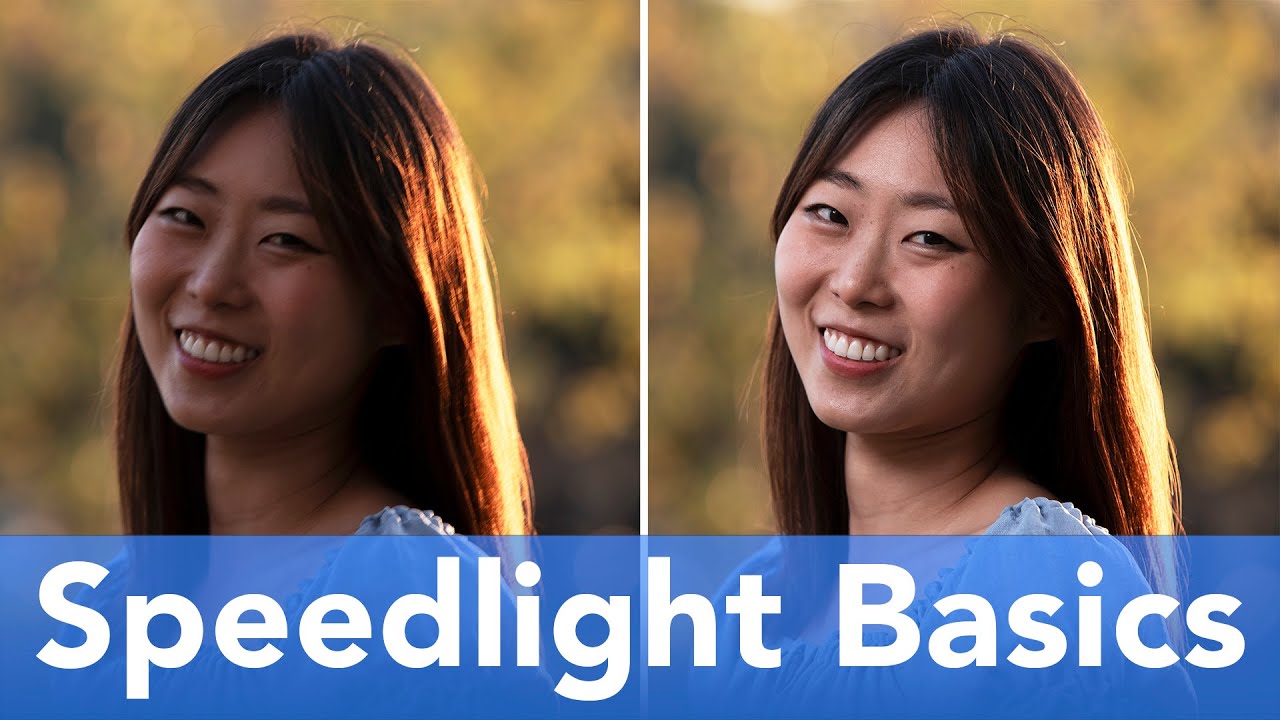
Off-Camera Speedlight for Outdoor Portraits: A Working Photographer's Setup Guide

Off-Camera Speedlight for Outdoor Portraits: A Working Photographer's Setup Guide

Most of my work happens in a controlled studio environment where I can label every light, sketch the setup in my lighting journal, and predict exactly what I’m going to get before I fire a single frame. But clients don’t always want the studio look, and the moment you move a portrait session outside, a lot of photographers revert to putting the flash back on the camera and hoping for the best.

Location Photography That Doesn't Look Like a Guess: Lessons from Vasquez Rocks

Location Photography That Doesn't Look Like a Guess: Lessons from Vasquez Rocks

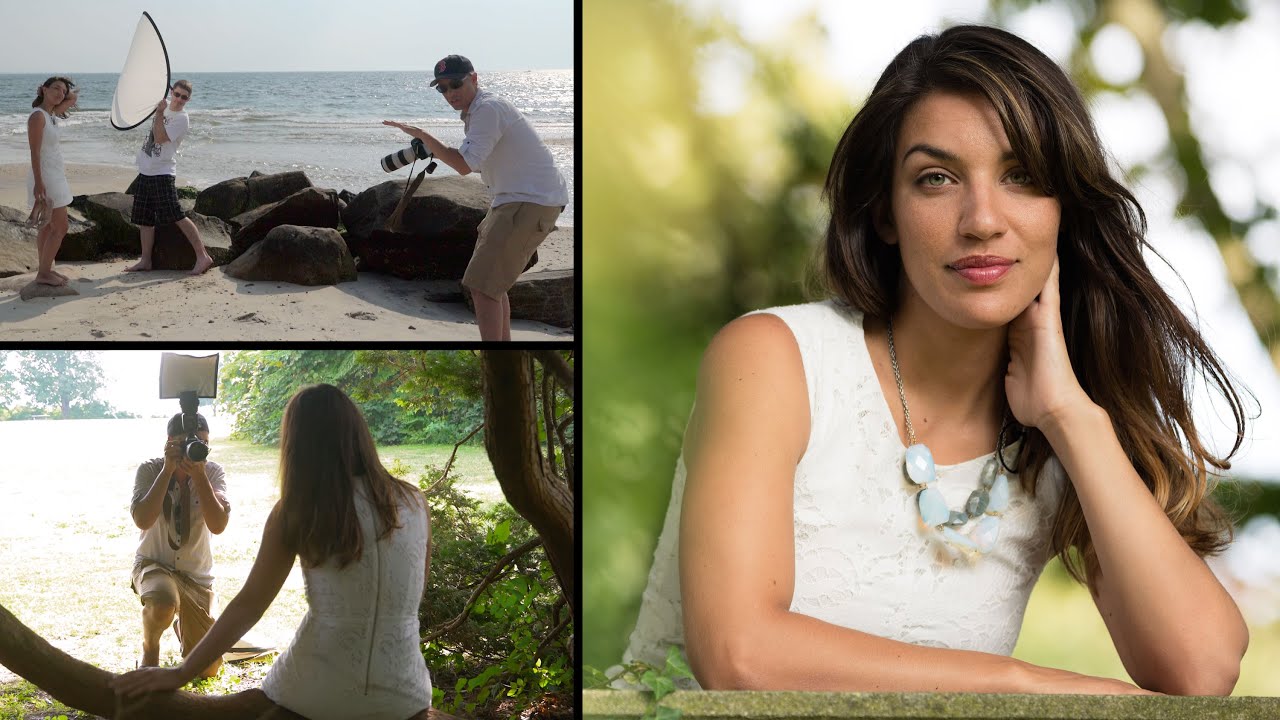
Most of my work happens in a controlled environment. I have my lights labeled, my power drops mapped, and a lighting diagram sketched before the talent ever walks through the door. Location work strips all of that away. No ceiling to bounce from, no dedicated circuit, no ability to predict exactly where the sun will be unless you’ve done the homework ahead of time. That gap between studio comfort and location reality has burned me before, and it’s why I keep returning to tutorials from photographers who clearly approach location work with the same systematic thinking I try to bring to the studio.

Focal Length, Aperture, and Outdoor Light: What Actually Works for a 7-Person Family Portrait

Focal Length, Aperture, and Outdoor Light: What Actually Works for a 7-Person Family Portrait

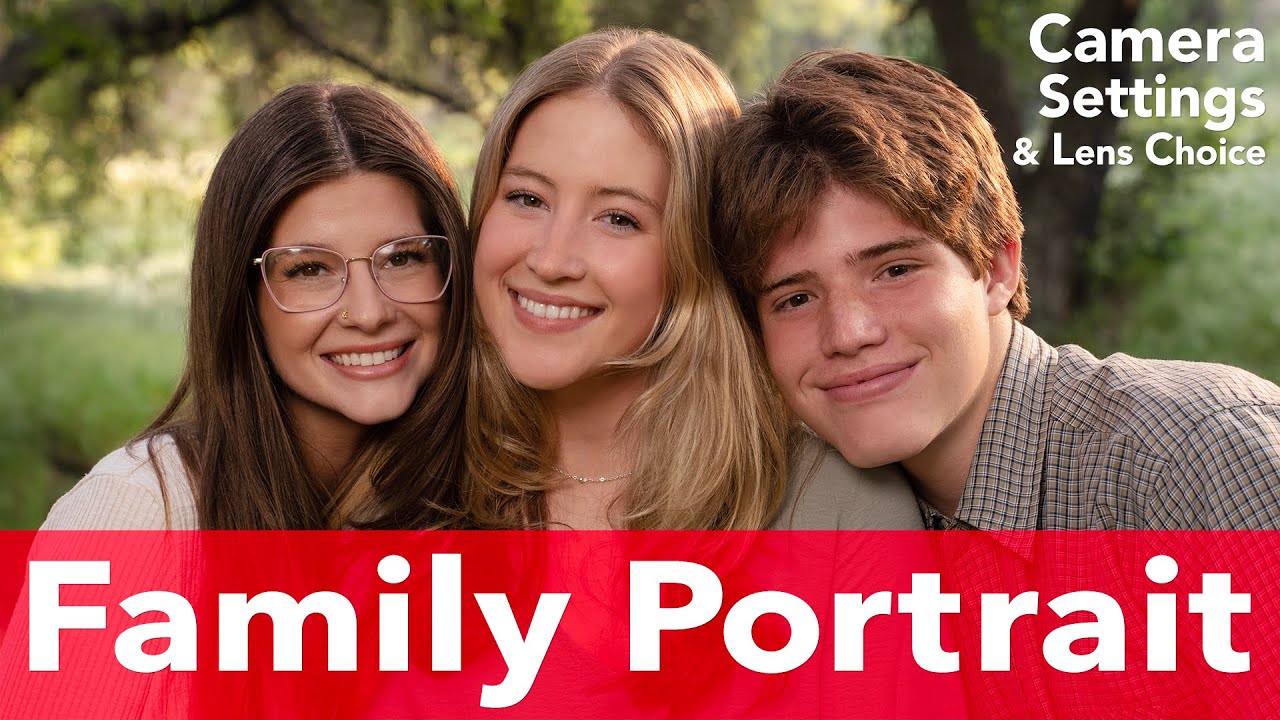
Large group portraits outdoors have a way of exposing every weak decision you’ve made before the shutter fires. Wrong focal length and you’re fighting distortion or a background that swallows your subjects. Wrong aperture and someone in the back row goes soft on a print that’s supposed to hang above a fireplace for twenty years. I’ve shot enough editorial work in controlled studio environments that when a client asks for an outdoor family session, I treat it like any other lighting problem: identify the variables, set the constraints, then solve methodically.

Reflector vs. Strobe for Outdoor Portraits: What a $26 Piece of Fabric Actually Teaches You About Light

Reflector vs. Strobe for Outdoor Portraits: What a $26 Piece of Fabric Actually Teaches You About Light

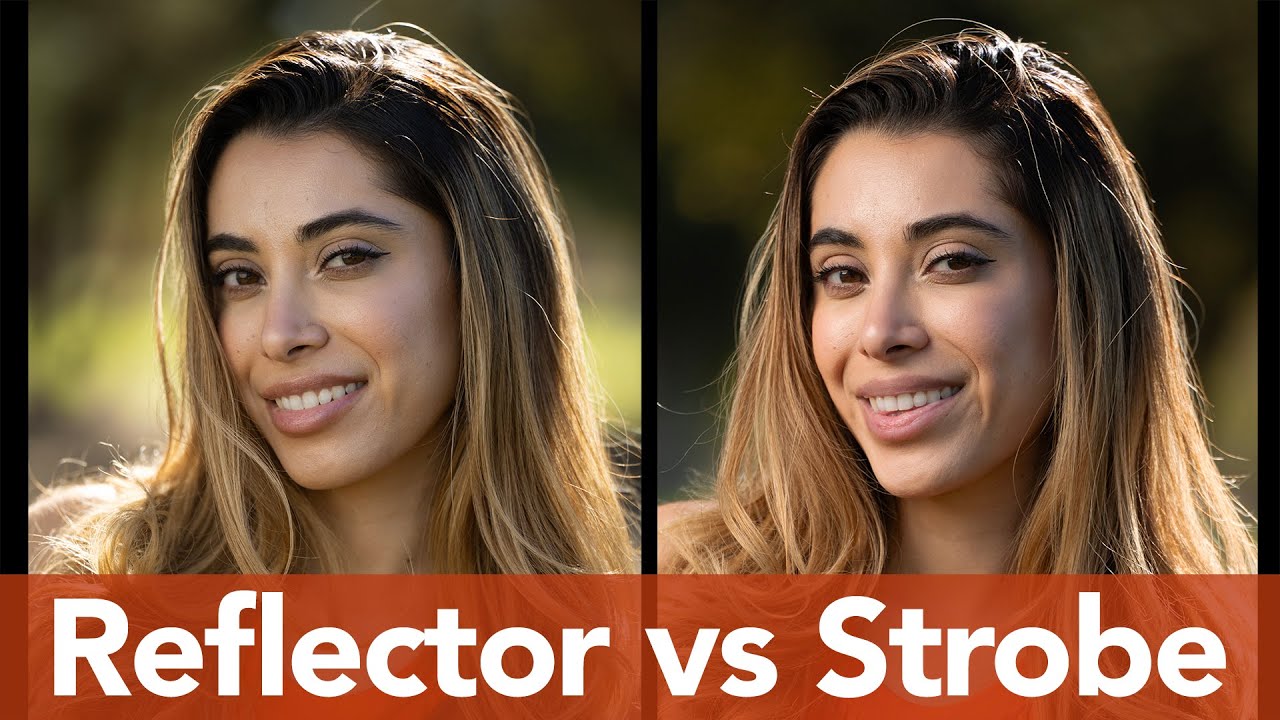
Every few months I end up in the same conversation with a newer photographer who’s convinced they need a full strobe kit before they can shoot anything worth showing a client. I used to think the same thing. Then I started keeping a lighting journal, sketching every setup from every shoot, and I noticed something embarrassing: some of my cleanest portrait light came from sessions where I had almost nothing with me.

Master Portable Strobe Photography: The One-Light Setup That Replaces a Studio

Master Portable Strobe Photography: The One-Light Setup That Replaces a Studio

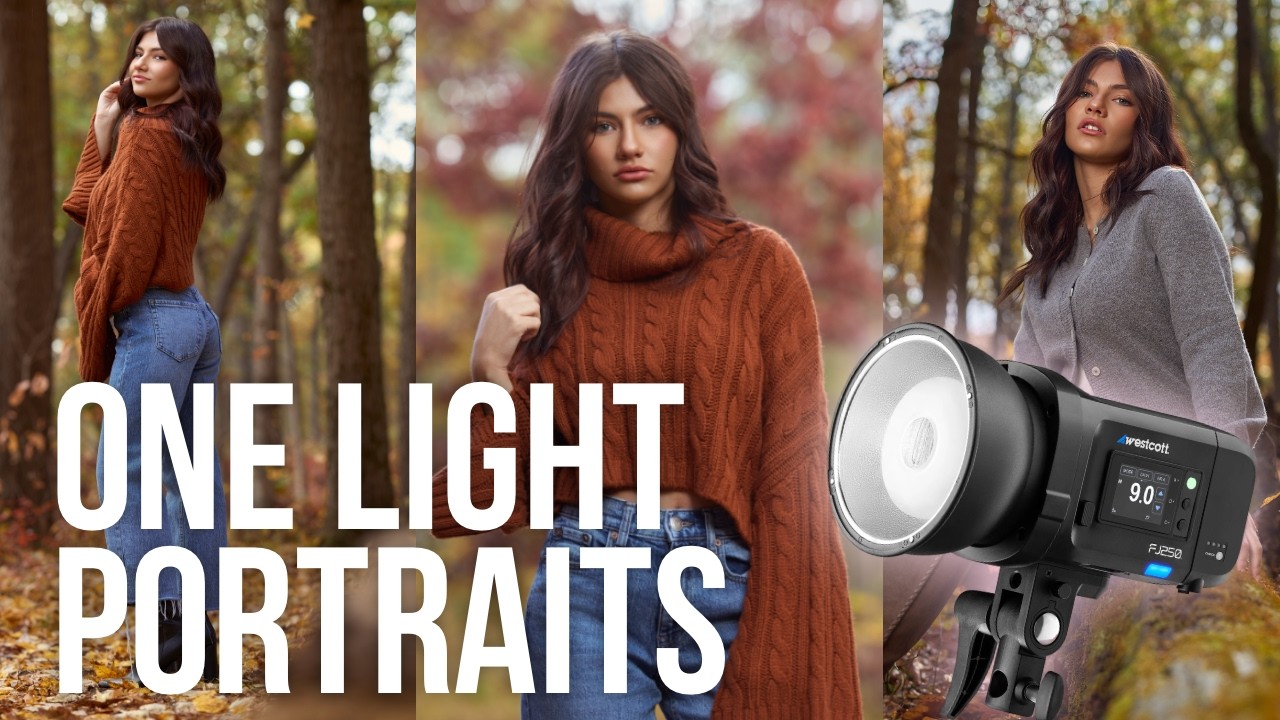
I shoot commercial work in controlled environments most weeks. Coved walls, modifiers on stands I’ve labeled with masking tape, a lighting diagram already drafted before the talent walks in. So when a client calls asking for “something more editorial, more outdoor, more alive,” I have to shift gears fast. The problem isn’t creative willingness. The problem is translating the precision I rely on in the studio into a single-strobe location kit that still delivers consistent, professional results across multiple setups in the same session.