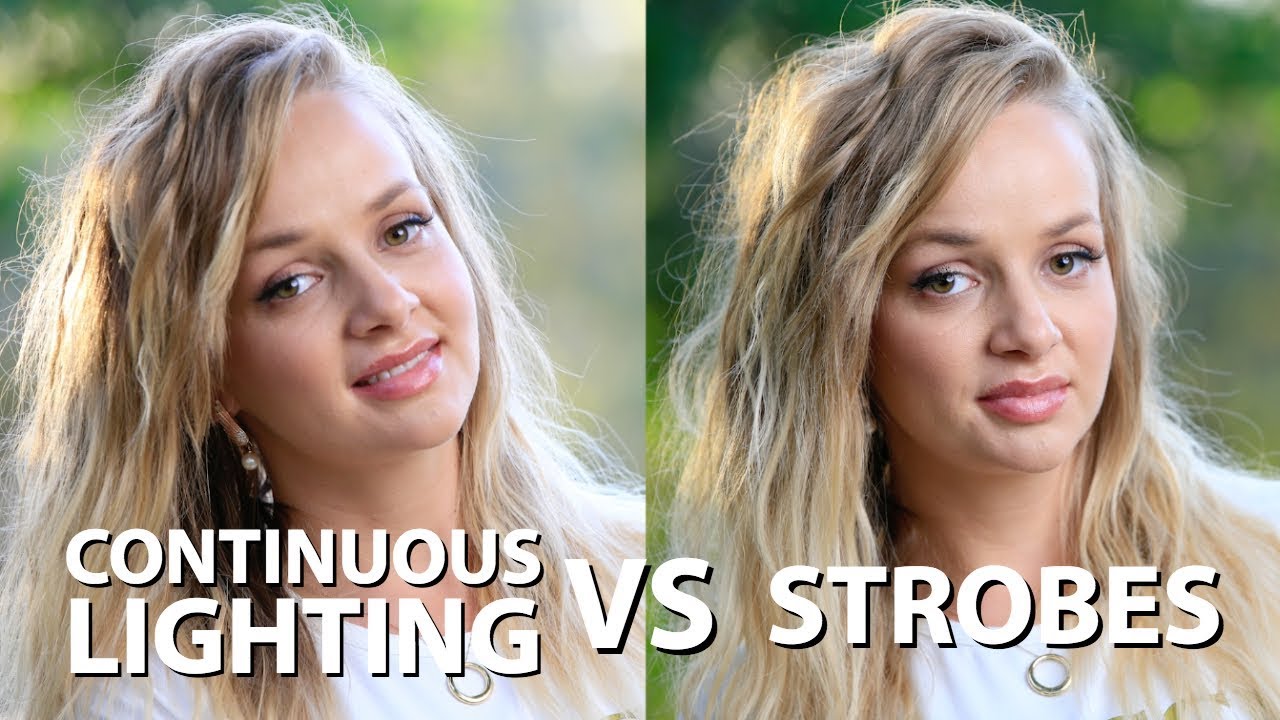
Continuous Lights vs. Strobes: A Studio Shooter's Honest Take on Choosing Sides

Continuous Lights vs. Strobes: A Studio Shooter's Honest Take on Choosing Sides

Every photographer working in a studio eventually hits the same wall: someone asks whether they shoot with continuous lights or strobes, and suddenly the conversation turns into a loyalty test. I’ve been on both sides of that conversation for years. I shoot commercial and editorial work out of Los Angeles, and the honest answer is that the question itself is often the wrong one. The better question is what you’re trying to accomplish on a given shoot, and whether your light source actually serves that goal.
How Strobes Actually Freeze Motion (And Why Your Shutter Speed Is Not the Answer)

How Strobes Actually Freeze Motion (And Why Your Shutter Speed Is Not the Answer)

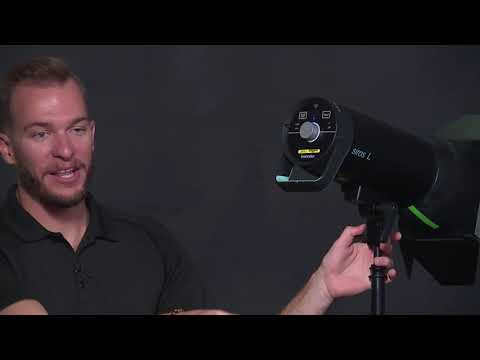
There is a moment on almost every athletic shoot where the ambient light humiliates you. You are in a gym, or a studio with modest overhead LEDs, and your subject is moving fast. You crank the ISO, you open the aperture, and your camera still tells you the shutter speed is somewhere around 1/60. That is not a photography problem. That is a physics problem, and the only way out of it is understanding what actually stops motion in a photograph.

Mixing Strobes and Continuous Light: How to Make Two Completely Different Light Sources Work Together

Mixing Strobes and Continuous Light: How to Make Two Completely Different Light Sources Work Together

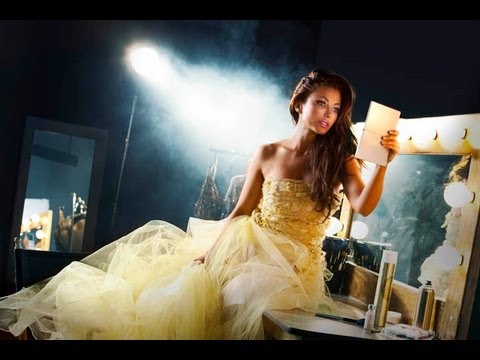
There is a specific kind of portrait shot that stops people mid-scroll. It has depth, warmth, a shaft of light cutting through atmosphere. It looks like it was lit by someone who understood both cinema and photography at the same time. For years, I chased that look by piling on more strobes, more modifiers, more complexity. The answer, it turns out, was simpler and more disruptive: stop using only one type of light source.