Parabolic Light Modifiers for Beauty Photography: What the Shape Actually Does and Why It Matters

Parabolic Light Modifiers for Beauty Photography: What the Shape Actually Does and Why It Matters

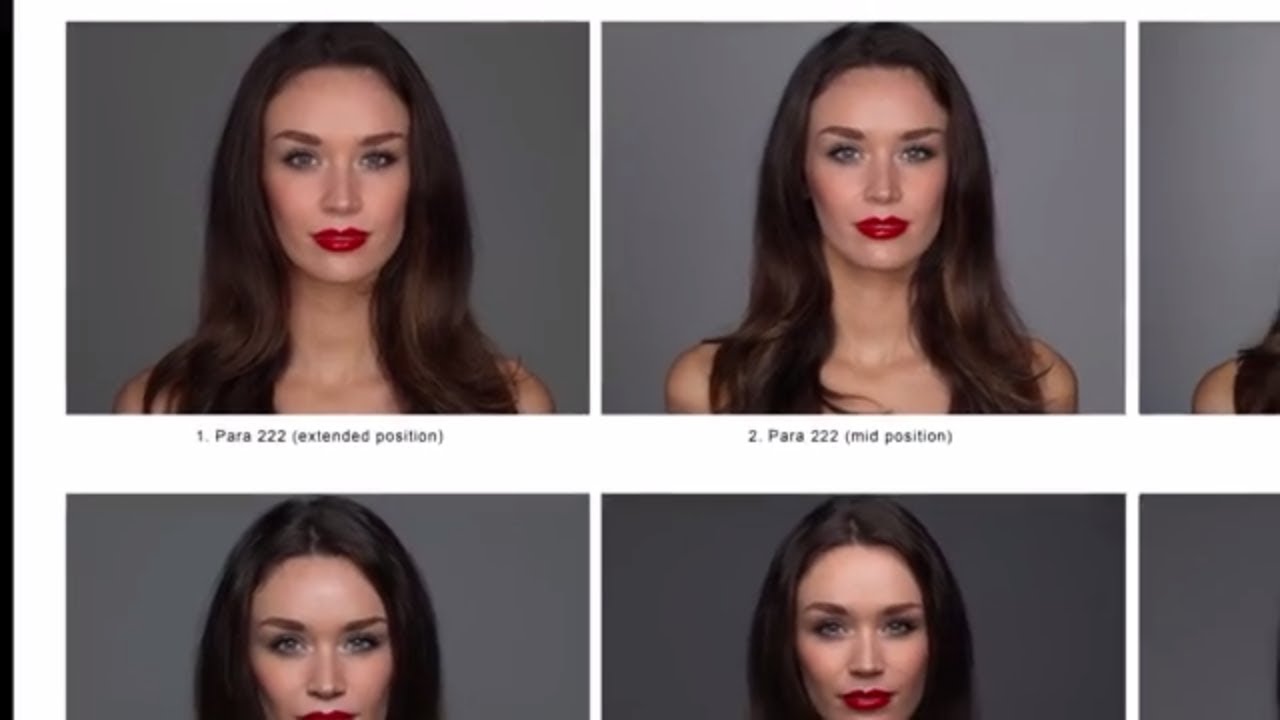
Every beauty photographer eventually hits the same wall. You own a softbox, maybe a beauty dish, and both produce decent results. But there’s a quality of light you keep seeing in high-end editorial work that you can’t quite replicate. It has depth to it. A kind of directionality that feels both soft and precise at the same time. For years I assumed it was retouching. It wasn’t. It was the modifier.

How to Fake a Blazing Sun with a Single Strobe (And Why It Works Better Than the Real Thing)

How to Fake a Blazing Sun with a Single Strobe (And Why It Works Better Than the Real Thing)

There’s a particular kind of location shoot that exposes every gap in your lighting toolkit: hard midday sun, a background you can’t move, and subjects whose faces you need to control precisely. I’ve been in that situation more times than I’d like to admit, usually squinting at my laptop screen trying to figure out why the ambient exposure looks nothing like what I wanted when I planned the shot at 8am.

One Light Is Enough: How a Single Strobe Can Outwork a Five-Head Setup

One Light Is Enough: How a Single Strobe Can Outwork a Five-Head Setup

The Overcomplicated Studio Is Usually a Confidence Problem I have a masking tape label on every light in my studio. “Key 1.” “Fill Left.” “Rim A.” When I started out, I thought having more labeled lights meant I was doing more serious work. I was wrong. Some of my best-performing editorial images, pieces that ran in print and got licensed multiple times, came from a single Profoto B10 and a 5-foot Octabox.

One Light, Done Right: How a Single Strobe Can Outperform a Five-Light Setup

One Light, Done Right: How a Single Strobe Can Outperform a Five-Light Setup

The Overcomplicated Studio Is Usually a Confidence Problem Early in my career I watched a photographer I deeply respected spend forty-five minutes adjusting a six-light setup for a headshot. He kept adding lights to fix problems the previous lights had created. A rim light to separate the subject from the background. A hair light to compensate for the rim light killing the shadow detail. A kicker on the opposite side because now the image felt unbalanced.

One Light Is Enough: How a Single Strobe Teaches You Everything You've Been Ignoring

One Light Is Enough: How a Single Strobe Teaches You Everything You've Been Ignoring

The Most Expensive Mistake I See in Studios Every time a photographer tells me they need a third or fourth light to fix a problem, I make them turn off everything except one strobe. Not as a punishment. As a diagnosis. Most lighting problems are not problems of quantity. They are problems of understanding. When you pile on fill lights, hair lights, and background lights before you understand what your key light is actually doing, you are decorating a problem rather than solving it.

One Light, Done Right: How a Single Strobe Can Outwork a Five-Head Setup

One Light, Done Right: How a Single Strobe Can Outwork a Five-Head Setup

I used to own eleven lights. I counted them once while reorganizing my studio on a slow Tuesday, and the number genuinely embarrassed me. Not because eleven is too many, but because I could trace the purchase of at least four of them to insecurity. Some shoot went sideways, and my instinct was to buy another head, another fill, another hair light, as if more gear would paper over whatever I didn’t understand yet.