Inside the Factory: What Pro Lighting Gels Are Actually Made Of (And Why It Changes How I Use Them)

Inside the Factory: What Pro Lighting Gels Are Actually Made Of (And Why It Changes How I Use Them)

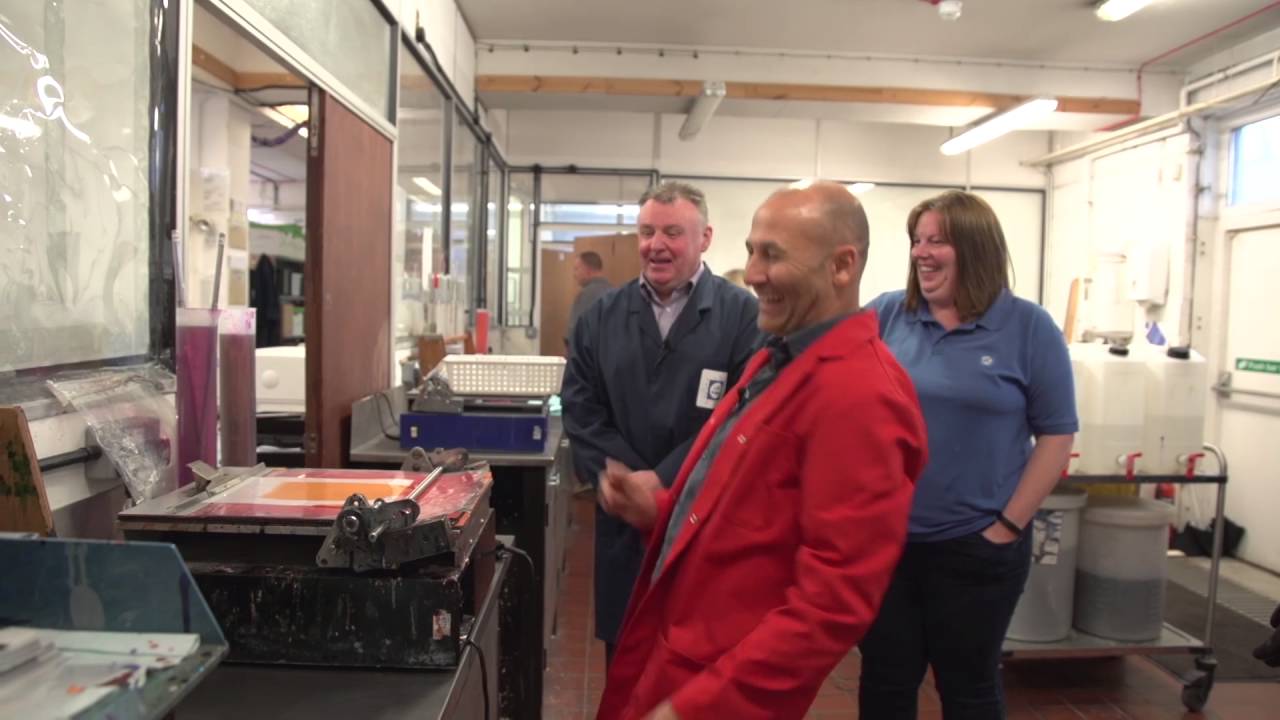
Color has burned me before. Early in my commercial career, I walked into an editorial shoot confident in my gel choices, only to realize halfway through the day that the reds I was using were shifting warm under heat from the fixture. The prints came back muddy. The client was patient, but I was not. That experience sent me down a rabbit hole of understanding not just how gels behave, but how they are actually built.
The Exposure Diamond: How to Balance Natural Light and Flash in the Studio (Without Overcomplicating It)

The Exposure Diamond: How to Balance Natural Light and Flash in the Studio (Without Overcomplicating It)

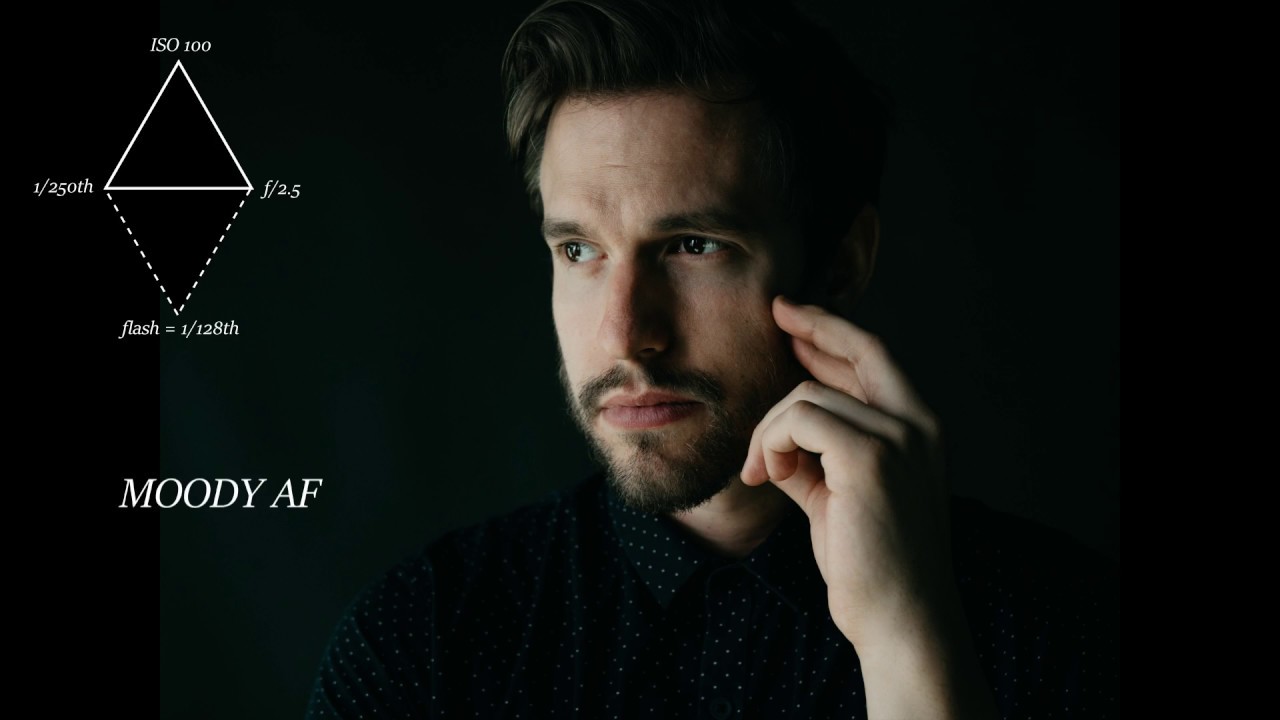
Every few months I send a tutorial link to a newer photographer I’m mentoring, and for a long time I didn’t have a good one for the specific problem of mixing natural light with artificial flash in a studio setting. Either the tutorial was too gear-obsessed, or it skipped the foundational thinking entirely and jumped straight to power settings. When I came across this Mango Street tutorial featuring commercial photographer and filmmaker Daniel DeArco, I finally had something worth forwarding.

Five Pro Lighting Moves I Stole From This Tutorial (And Now Use On Every Shoot)

Five Pro Lighting Moves I Stole From This Tutorial (And Now Use On Every Shoot)

Client budgets have a way of demanding that you look like you had three times the crew you actually did. That pressure is where real lighting craft gets built. Over the years I’ve leaned hard on tutorials from photographers who think in systems rather than happy accidents, which is why I keep coming back to Visual Education’s work. Their approach to breaking down professional setups into repeatable steps is exactly how I think about lighting myself.

What's Actually In My Location Lighting Kit (And Why I Pack Four Lights for a Three-Light Job)

What's Actually In My Location Lighting Kit (And Why I Pack Four Lights for a Three-Light Job)

Location shoots have a way of exposing every gap in your preparation. You show up to a corporate office expecting a clean, accessible space and find yourself in a conference room with one outlet behind a filing cabinet and fluorescent overheads that can’t be turned off. That’s not a hypothetical. That’s a Tuesday. Over the years I’ve refined my kit down to a set of tools that lets me walk into almost any location and build a controlled, repeatable portrait setup without hunting for extension cords or improvising around whatever the building offers me.

One Light Is Enough: How to Build a Complete Studio Portrait With a Single Strobe

One Light Is Enough: How to Build a Complete Studio Portrait With a Single Strobe

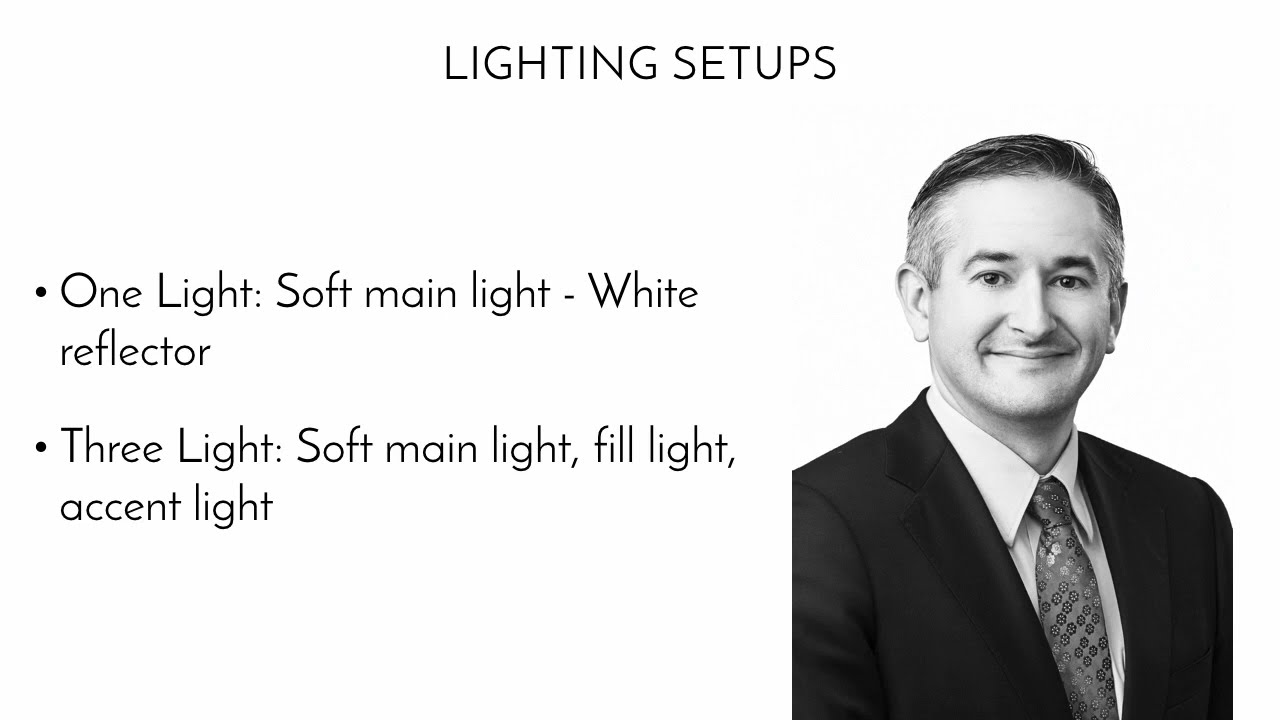
I used to over-light everything. Early in my career, I thought a complex setup meant a professional result. Four lights, two kickers, a hair light, a background light — the whole architecture. Then I had a client cancel half my setup time on a corporate headshot day, and I had to shoot 22 people in three hours with whatever I could rig in ten minutes. I used one Profoto B10 with a 3-foot octabox.

How to Actually Understand Lighting Modifiers (Using a Benchmark That Changes Everything)

How to Actually Understand Lighting Modifiers (Using a Benchmark That Changes Everything)

Every photographer I know has a modifier graveyard. A pile of softboxes, grids, and beauty dishes that got bought, used twice, and shelved because nothing about the results made sense. The problem isn’t the gear. The problem is that most of us compare modifiers in the worst possible way: switching from one to another across different shoots, different subjects, different distances, and then wondering why we can’t draw any useful conclusions.

What a Fresnel Lens Actually Does to Your Light (And Why I Reach for One First)

What a Fresnel Lens Actually Does to Your Light (And Why I Reach for One First)

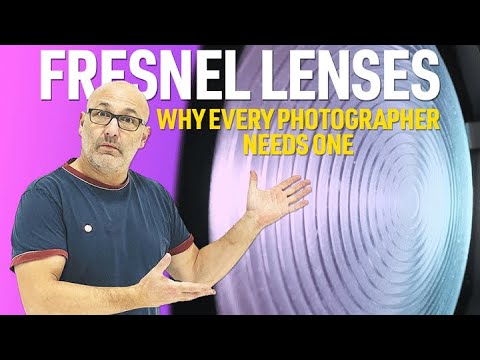
For years I defaulted to grids when I needed a controlled pool of light on a background. They’re cheap, they’re fast, and they live in a pouch that fits in my kit bag. But every time I pulled up a reference image I was trying to match — something from a fashion editorial, usually — the background light had a quality I couldn’t quite get. A smooth, perfectly graduated circle that faded out evenly in every direction.

One Light, Done Right: How a Single Strobe Can Outperform a Rack Full of Gear

One Light, Done Right: How a Single Strobe Can Outperform a Rack Full of Gear

The Setup That Made Me Rethink Everything I Owned A few years ago I was prepping for a beauty editorial, three lights rigged, a fourth on standby, and my assistant staring at me like I was building a spaceship. We lost power to two of the heads mid-session. Faulty cable, bad timing, real problem. I could have packed up. Instead, I flagged the remaining light, moved it six inches to camera left, and kept shooting.

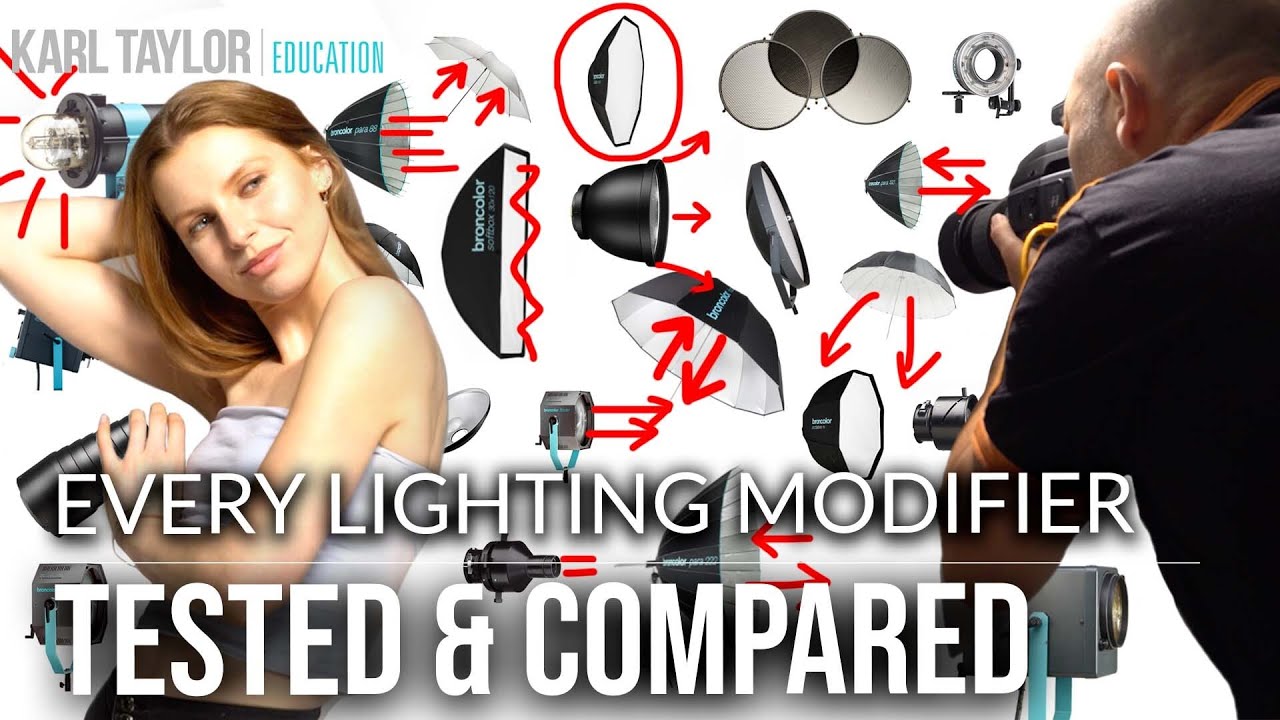
Every Modifier in My Studio, Tested Back-to-Back: What I Learned from Watching Visual Education Do It Right

Every Modifier in My Studio, Tested Back-to-Back: What I Learned from Watching Visual Education Do It Right

I keep a lighting journal. Every setup from every shoot gets a quick sketch - modifier, distance, angle, power output, and one line about what the skin looked like. After years of filling those notebooks, I thought I had a pretty solid mental map of how different modifiers behave. Then I watched Visual Education’s comparison of more than 25 modifiers tested back-to-back on the same subject, under controlled conditions, and I realized my map had some gaps.

How Black Flags Carve Shadow Into a Portrait (And Why I Use Them on Almost Every Studio Shot)

How Black Flags Carve Shadow Into a Portrait (And Why I Use Them on Almost Every Studio Shot)

There’s a problem I kept running into early in my studio work: I’d dial in a beautiful softbox position, get the exposure right, and still walk away with portraits that looked flat. The light was technically correct but it wasn’t doing anything interesting to the face. The cheekbones weren’t defined. The jawline disappeared into the background. Everything looked like it was lit for a driver’s license photo, not a magazine page.

Stop Shooting with White Light: How Creative Gels Can Transform Your Studio Work

Stop Shooting with White Light: How Creative Gels Can Transform Your Studio Work

The Shot That Made Me Take Gels Seriously I was three hours into a beauty editorial when the creative director leaned over my shoulder and said, “It’s technically perfect and completely boring.” She wasn’t wrong. Every light was dialed in, ratios were clean, skin tones were accurate. And the image looked like a catalog photo for a brand nobody cared about. We ended up throwing a quarter-cut CTO on the hair light and a pale lavender gel on the background, and the next frame we shot was the one that ran as the opener.

The Satellite Staro: What This Discontinued Modifier Taught Me About Filmic Studio Light

The Satellite Staro: What This Discontinued Modifier Taught Me About Filmic Studio Light

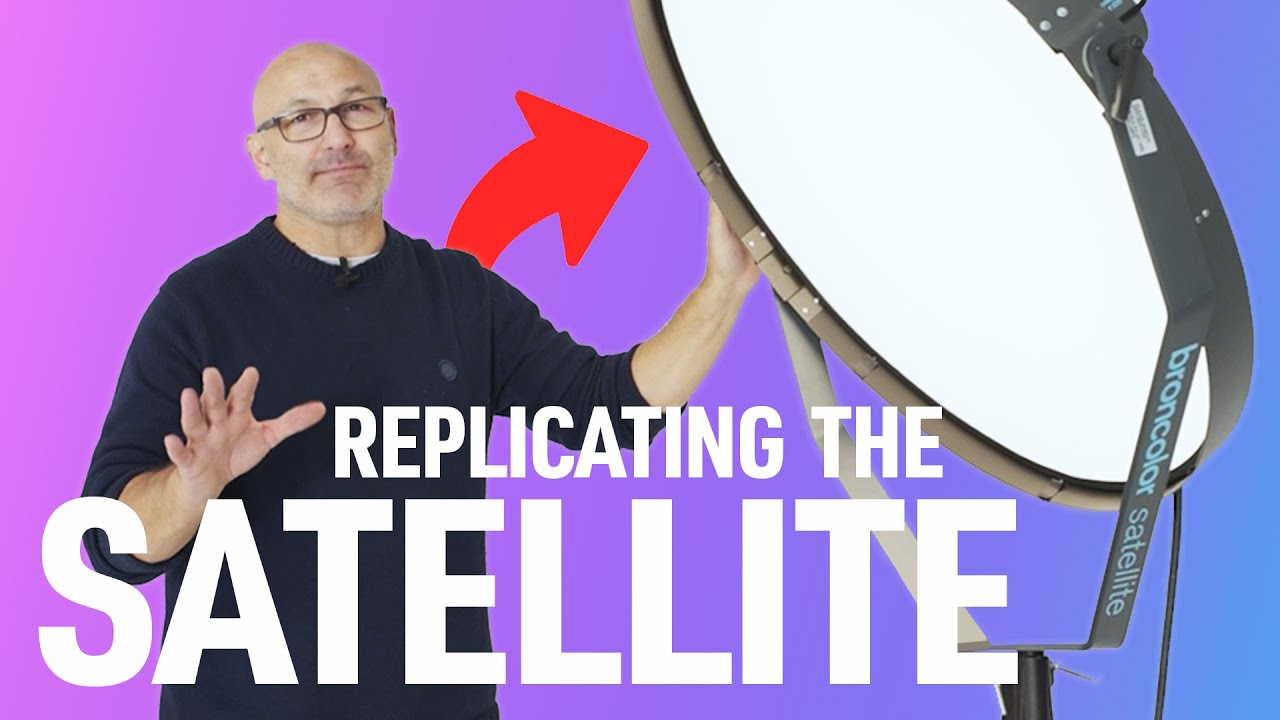
There are modifiers I reach for out of habit, and then there are the ones that genuinely change how I think about light. The Satellite Staro from Broncolor falls into the second category, even though I came to it late and even though Broncolor has since pulled it from production. I keep a lighting journal, every setup from every shoot sketched out with notes on what worked and what didn’t, and the Staro has its own dedicated page with question marks next to words like “filmic” and “tonal depth.