Reading Light in the Real World: What Street Photography Taught Me About Seeing

Reading Light in the Real World: What Street Photography Taught Me About Seeing

I’ve spent the better part of fifteen years in a studio where I control every photon. I label my lights with masking tape. I keep a lighting journal. I can tell you the exact output ratio I used on a beauty dish six months ago for a skincare campaign. What I can’t always do, if I’m being honest, is walk outside and read what the light is already doing. That gap showed up for me recently on a behind-the-scenes editorial piece.

Reading Light in the Wild: What Street Photography Taught Me About Seeing

Reading Light in the Wild: What Street Photography Taught Me About Seeing

I’ve spent enough years in a controlled studio environment that I sometimes forget how to just look. I can dial in a three-light setup in about twelve minutes. I keep a lighting journal where I sketch every setup from every shoot, so nothing gets lost between jobs. But last month, prepping for a location editorial that pulled me out of my comfort zone and onto actual city streets, I realized how dependent I’d become on being able to place light exactly where I want it.

What Street Photography Taught Me About Reading Light I Already Know

What Street Photography Taught Me About Reading Light I Already Know

I spend most of my working life in a controlled environment. Every light in my studio has a strip of masking tape on it with a label: key, fill, hair, kicker. I know exactly what each one is doing at any given moment. That control is the whole point. So when a recent editorial brief pushed me outside for a “candid, documentary-style” series in downtown Los Angeles, I felt the specific discomfort of a person who has forgotten that light exists before you plug anything in.

Reading Light in Hostile Territory: What Street Photography Taught Me About Seeing

Reading Light in Hostile Territory: What Street Photography Taught Me About Seeing

I spent the better part of last spring shooting editorial work in downtown LA, trying to grab some candid environmental portraits between the staged studio sessions. My commercial instincts kept betraying me. I was scouting for soft boxes that didn’t exist, looking for catchlights I could control, and mentally reaching for modifiers I didn’t have. The shots were technically fine and completely lifeless. I needed a different mental model for reading light outdoors, not just pointing a camera at it.

Maximizing Light and Space: How One Artist Built a Full Studio in a Living Room

Maximizing Light and Space: How One Artist Built a Full Studio in a Living Room

Making Every Square Foot Count I’ve spent years watching photographers struggle with space constraints, and I’ve learned that the real masters aren’t those with sprawling studios—they’re the ones who understand how to weaponize what they have. Shinn Uchida, a Japanese visual artist, recently demonstrated this principle beautifully by transforming her living room into a fully functional creative space capable of handling large-scale work. What strikes me most about her approach isn’t nostalgia or scrappiness.

How to Use a Reflector for Natural Light Portraits

How to Use a Reflector for Natural Light Portraits

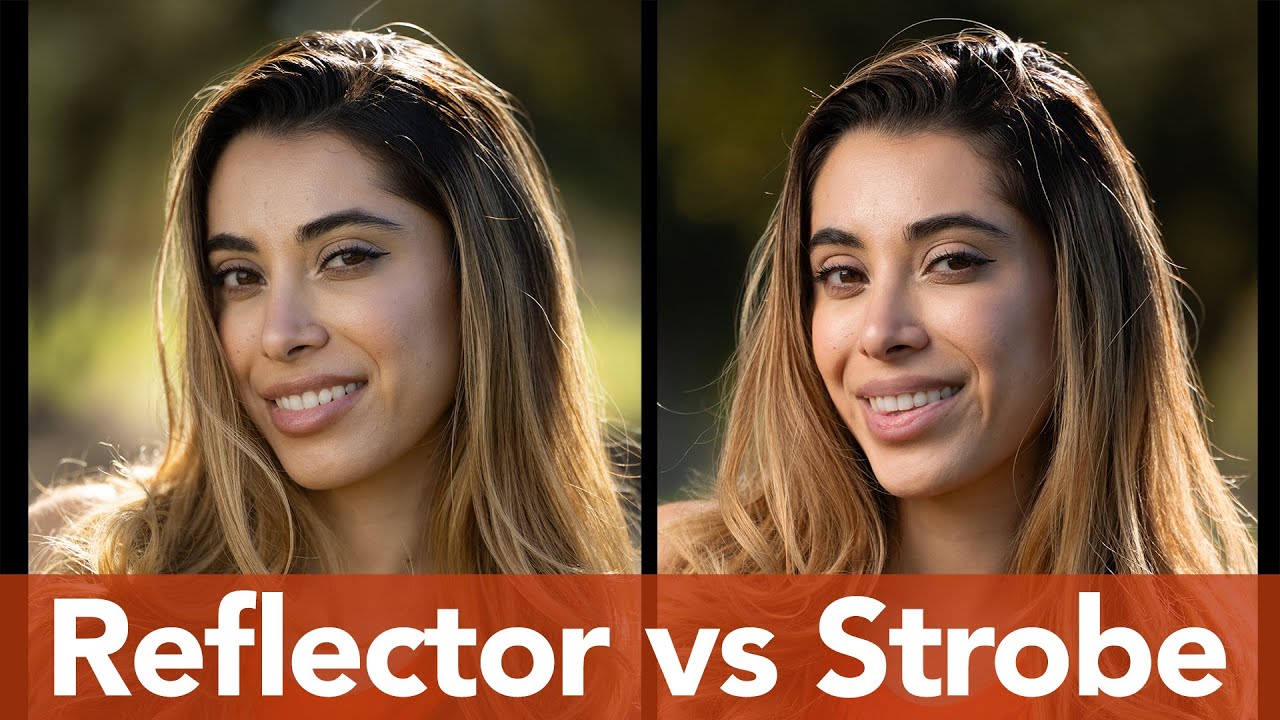
A reflector is the simplest and most cost-effective lighting tool you can own. It adds no new light to a scene. Instead, it redirects existing light, filling shadows, adding catch lights, and shaping the illumination on your subject. For natural light portrait photographers, a reflector often makes the difference between a flat snapshot and a polished portrait. How Reflectors Work When light hits a reflective surface, it bounces back. The angle of incidence equals the angle of reflection.